Aperçu
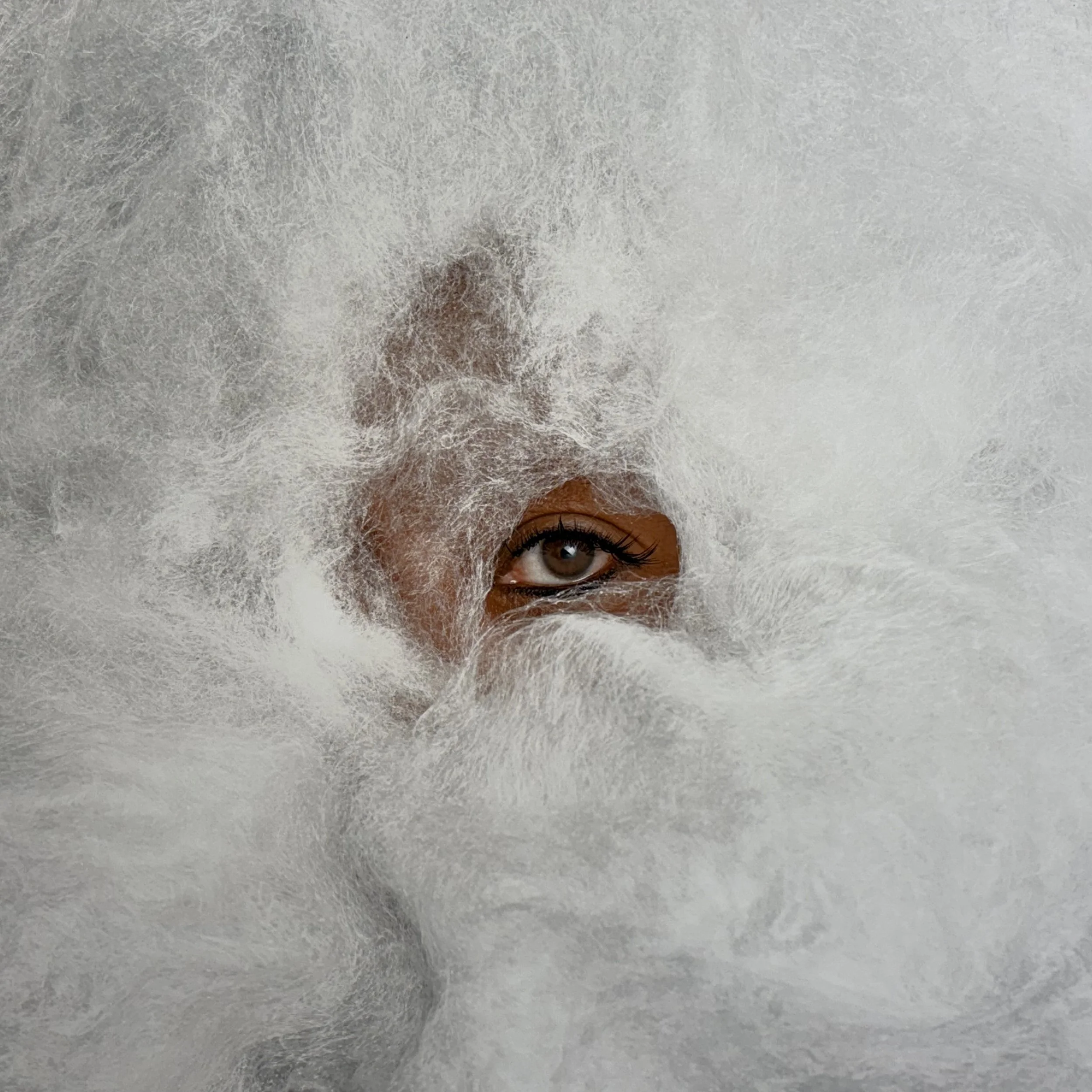
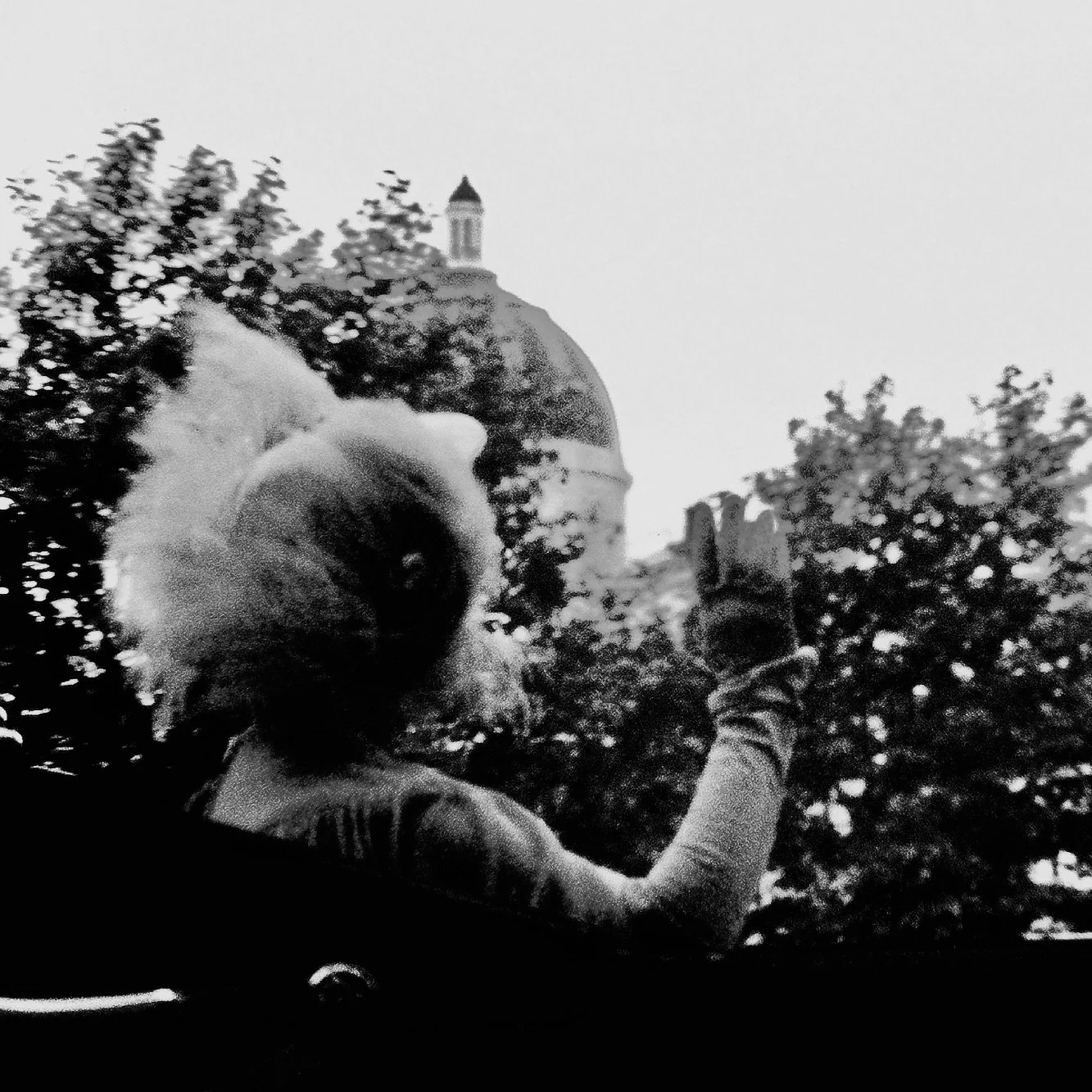
“Hazel (peek), Sugar Girl Series,” 2025. Archival pigment ink photograph by South African artist Berni Searle. (Cropped image of the original piece, taken at Zeitz MOCCA — Museum of Contemporary Art, Cape Town.)
Words fascinate and delight me—for their sound when spoken, their meaning, or their derivation. It’s not uncommon for a word to grab me and not let go, rattling around in my head for days or sometimes weeks. And not just in my native tongue. My latest lexical obsession is the French word “aperçu” which means “a quick glimpse.” Like its root verb “apercevoir” (“to see somewhat clearly or briefly”) it applies to more than just physical sight. It can also express enlightenment of the mind and spirit: “to perceive, realize, comprehend, behold, or decry.” In either language, the true brilliance of this linguistic gem shines most when its two aspects—physical and emotional revelation—are conjoined.
English has numerous idioms to describe that synergy: “my heart skipped a beat, my heart sank, it took my breath away, I jumped out of my skin, I was overcome with joy, I had a real ‘aha moment,’ it hit me like a ton of bricks. . .” Perhaps, every glimpse has at least a bit of hidden potential for heightened experience. And once the inner eye is awakened to this possibility, it isn’t difficult to find.
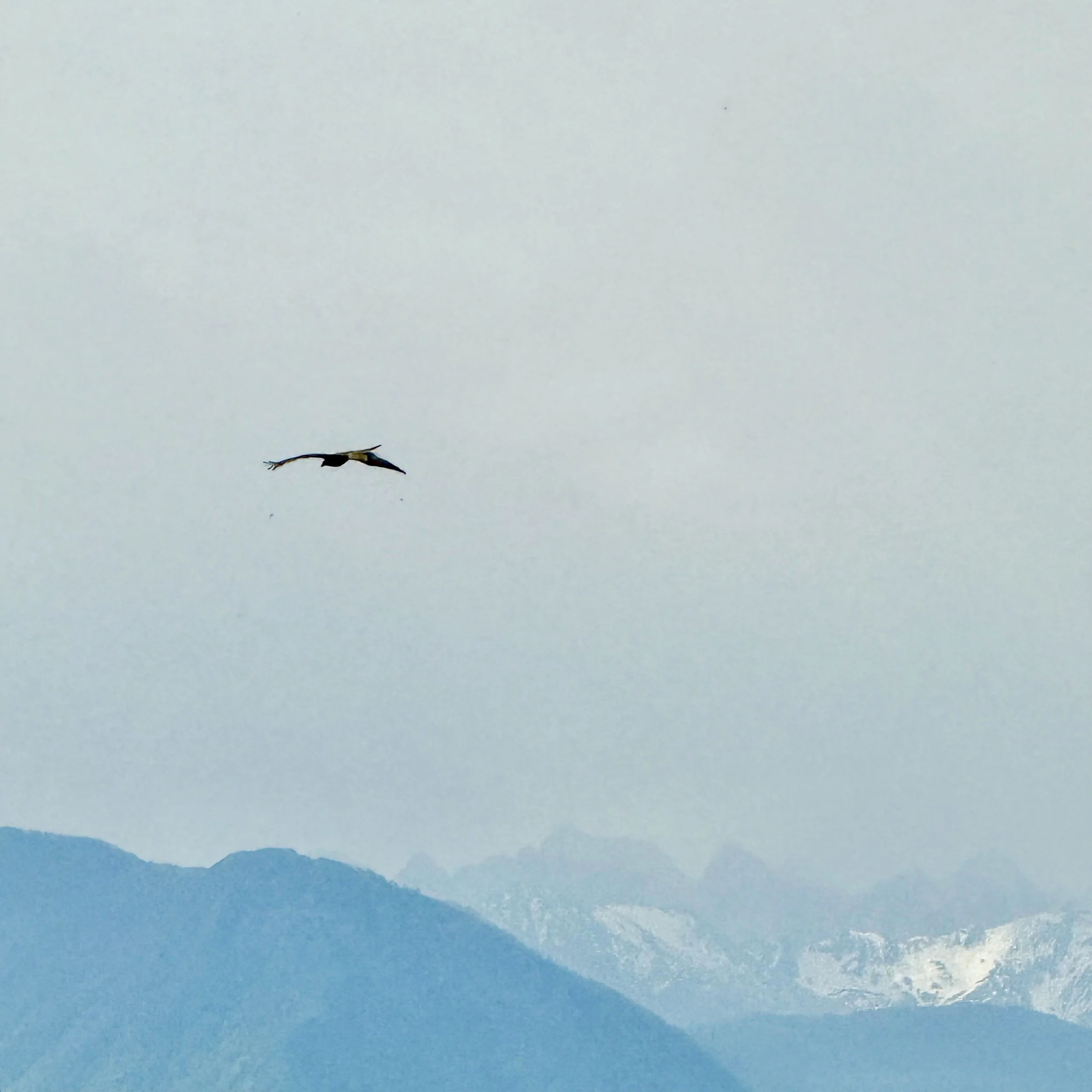
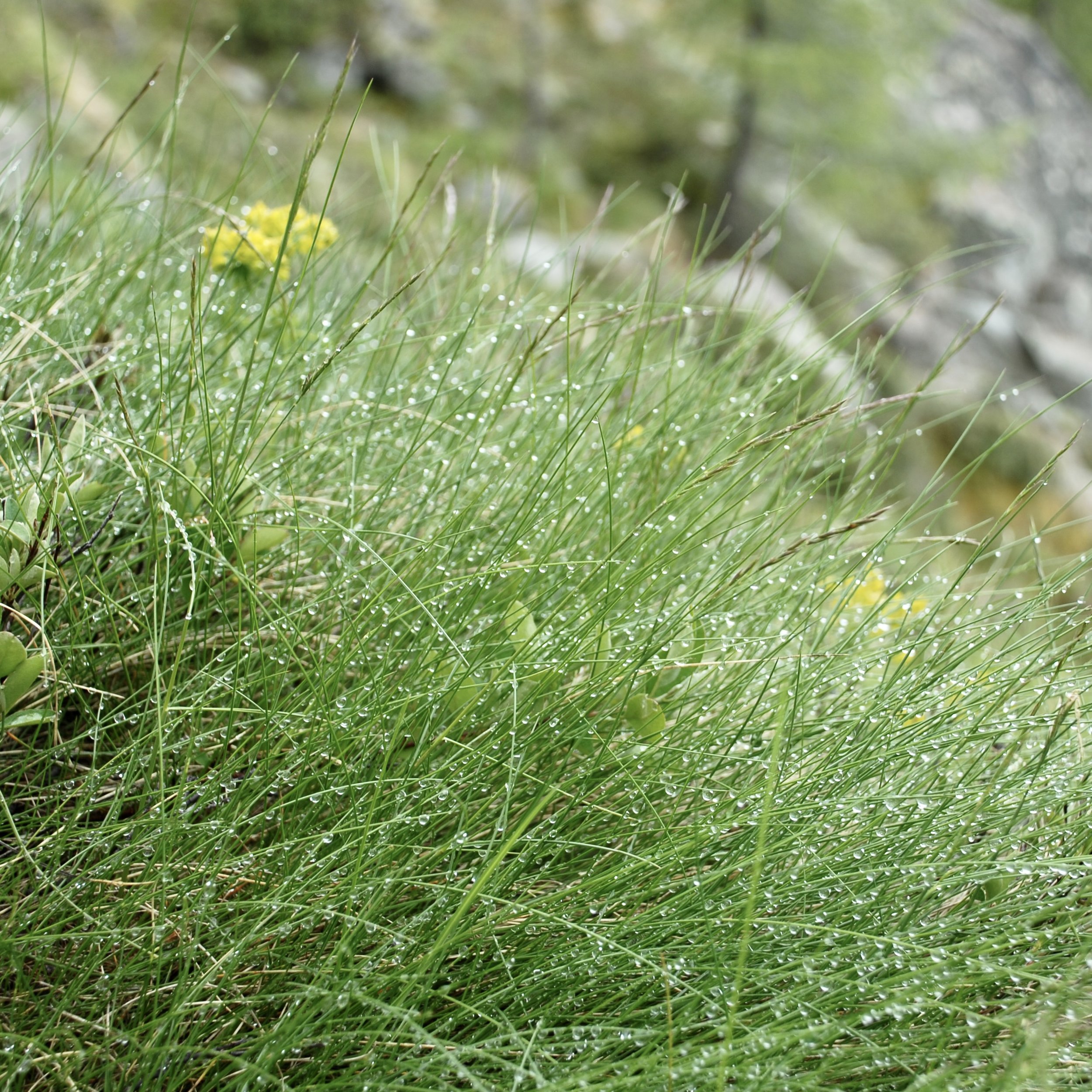
In her epic verse novel, “Aurora Leigh,” Elizabeth Barret Browning reminds us that “earth is crammed with heaven.” I would agree that the natural world constantly delivers glimpses of the divine: the elegant stretch of a giraffe’s neck, the sweeping stroke of a bird’s wings, the glimmer of morning dew, the delicate weave of a spider’s web, the curl of an emerald wave, the pirouette of falling leaves. There is no better “cathedral” for restoring the spirit.


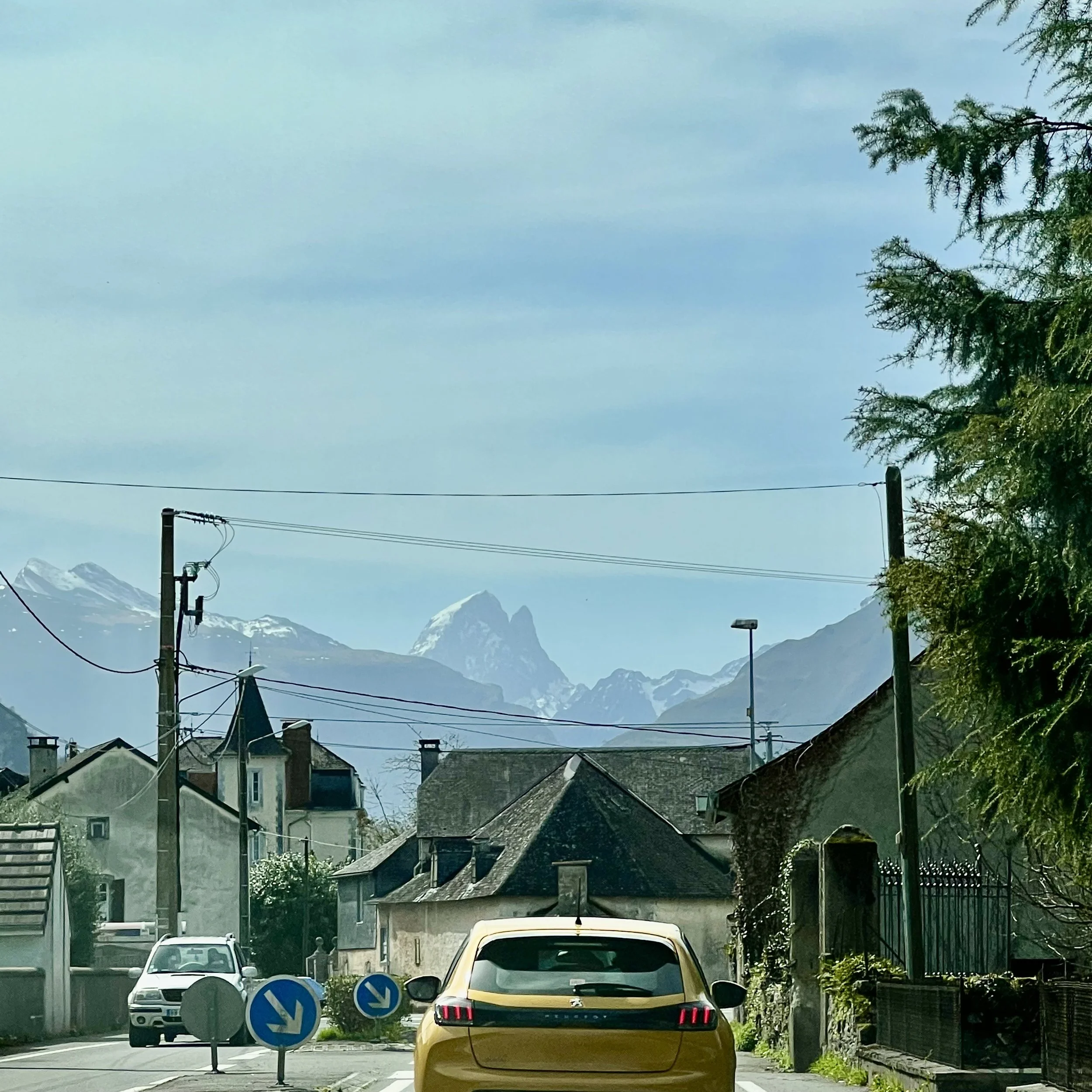
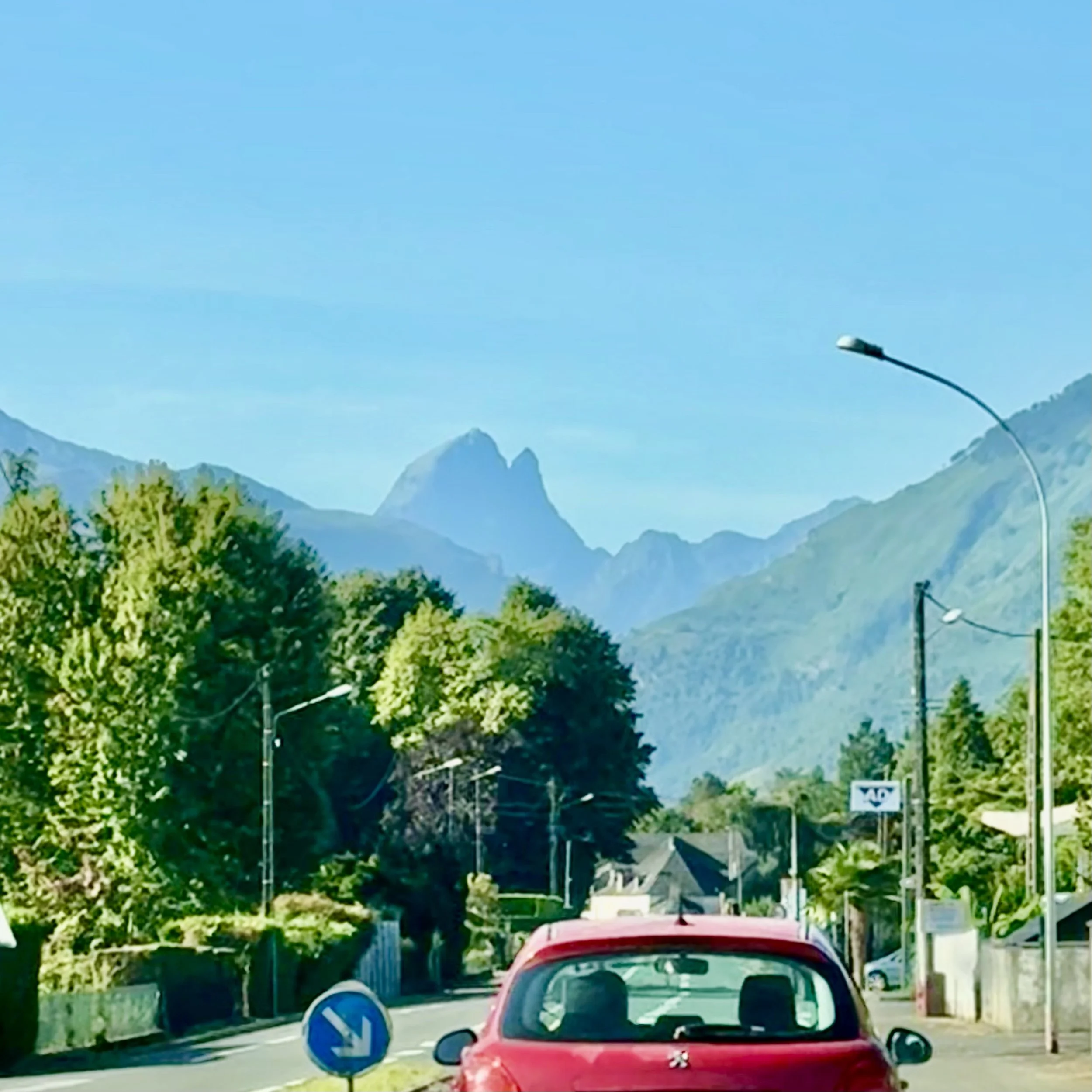
The narrow winding roads of Pau’s mountainous region offer plenty of opportunity for perfectly framed glimpses of natural beauty. I recall the first time JB and I drove a now well-travelled route into the nearby Ossau Valley. Around a bend in the road, the distinctive profile of the Pic d’Ossau (looking heavenward like the open mouth of a baby bird) appeared momentarily between roadside shops and parking lots. My heart skipped a proverbial beat. For several kilometers, the summit continued to poke its head out between buildings and forest. Even though I now anticipate this coy game of hide-and-seek, it always fills me with childlike expectation.
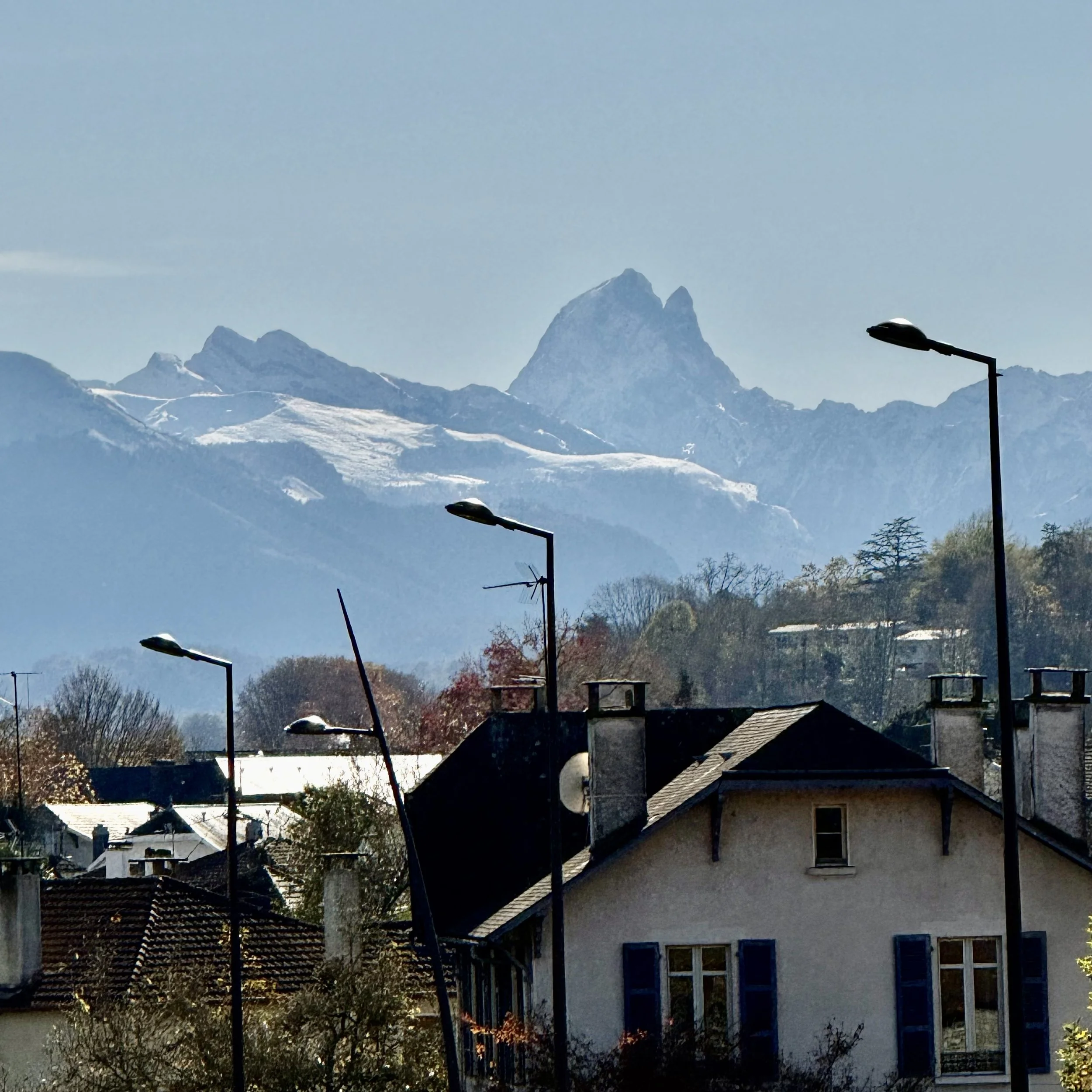
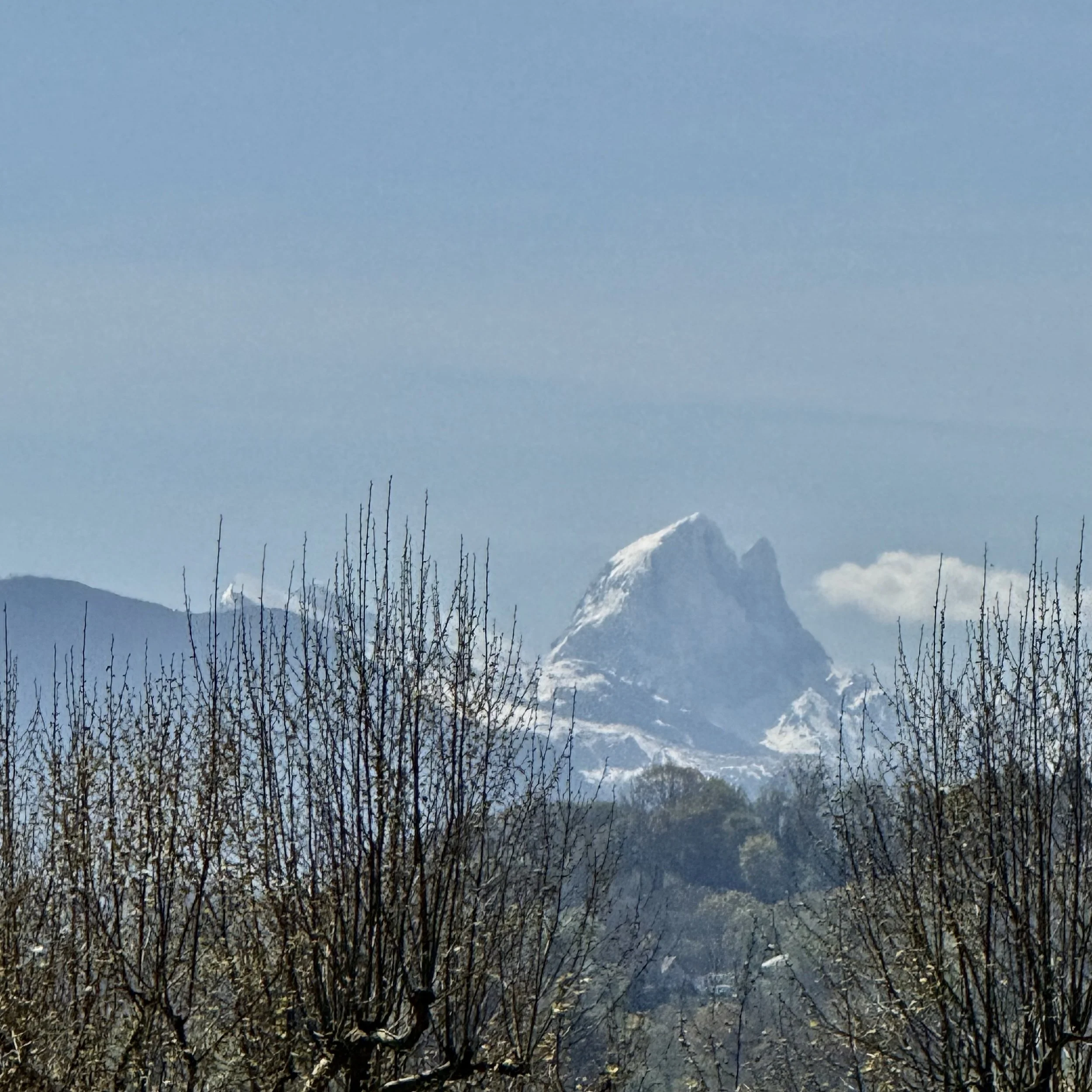
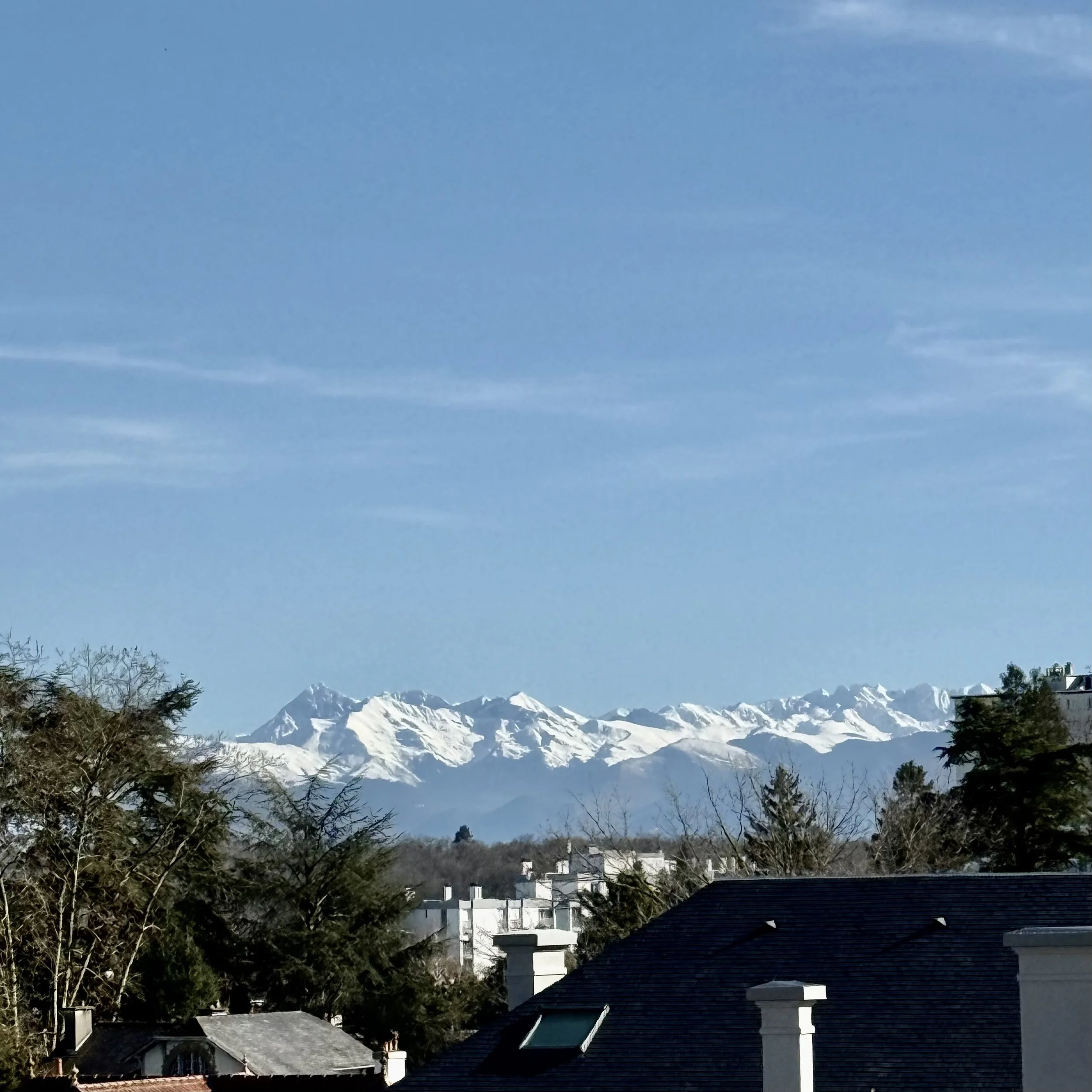
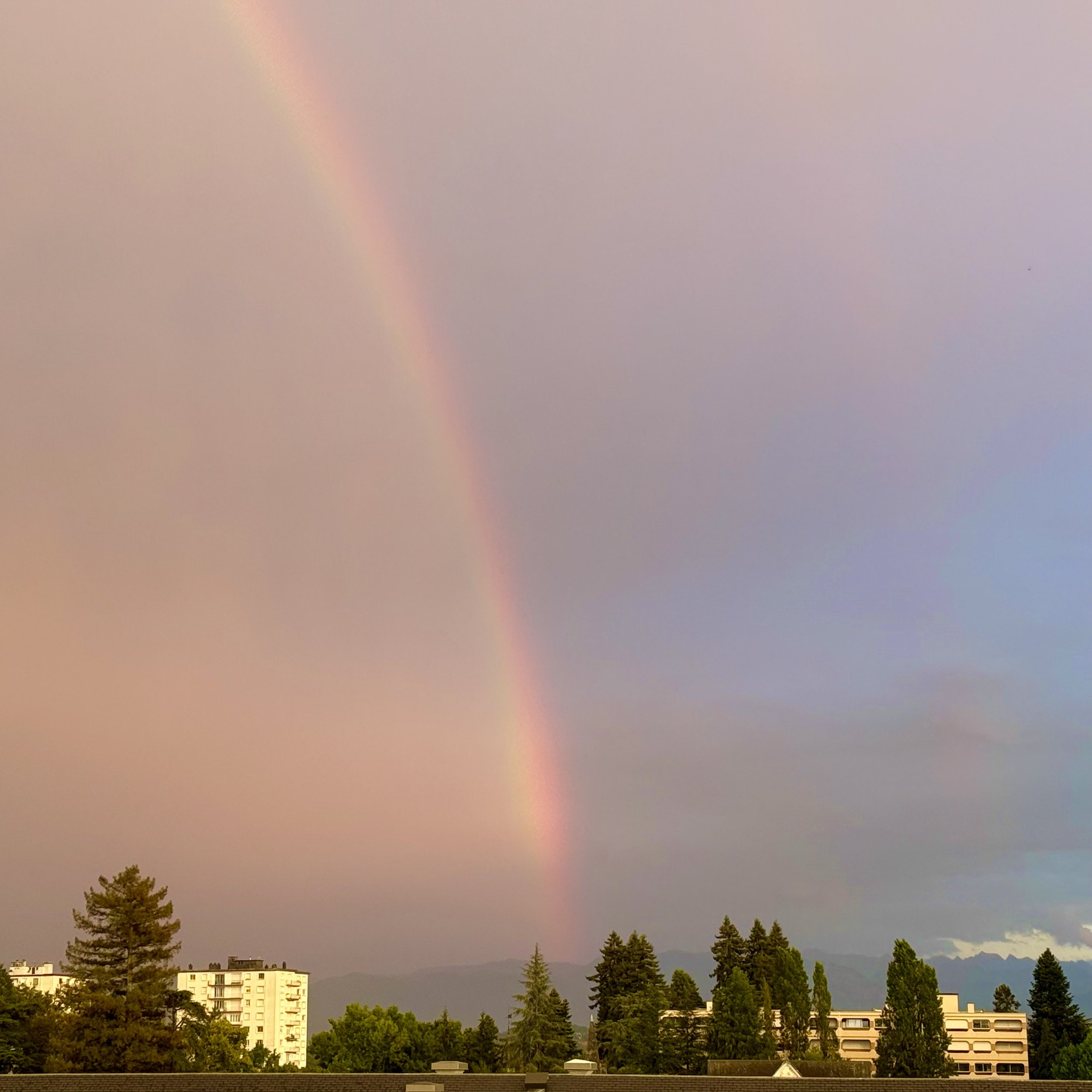
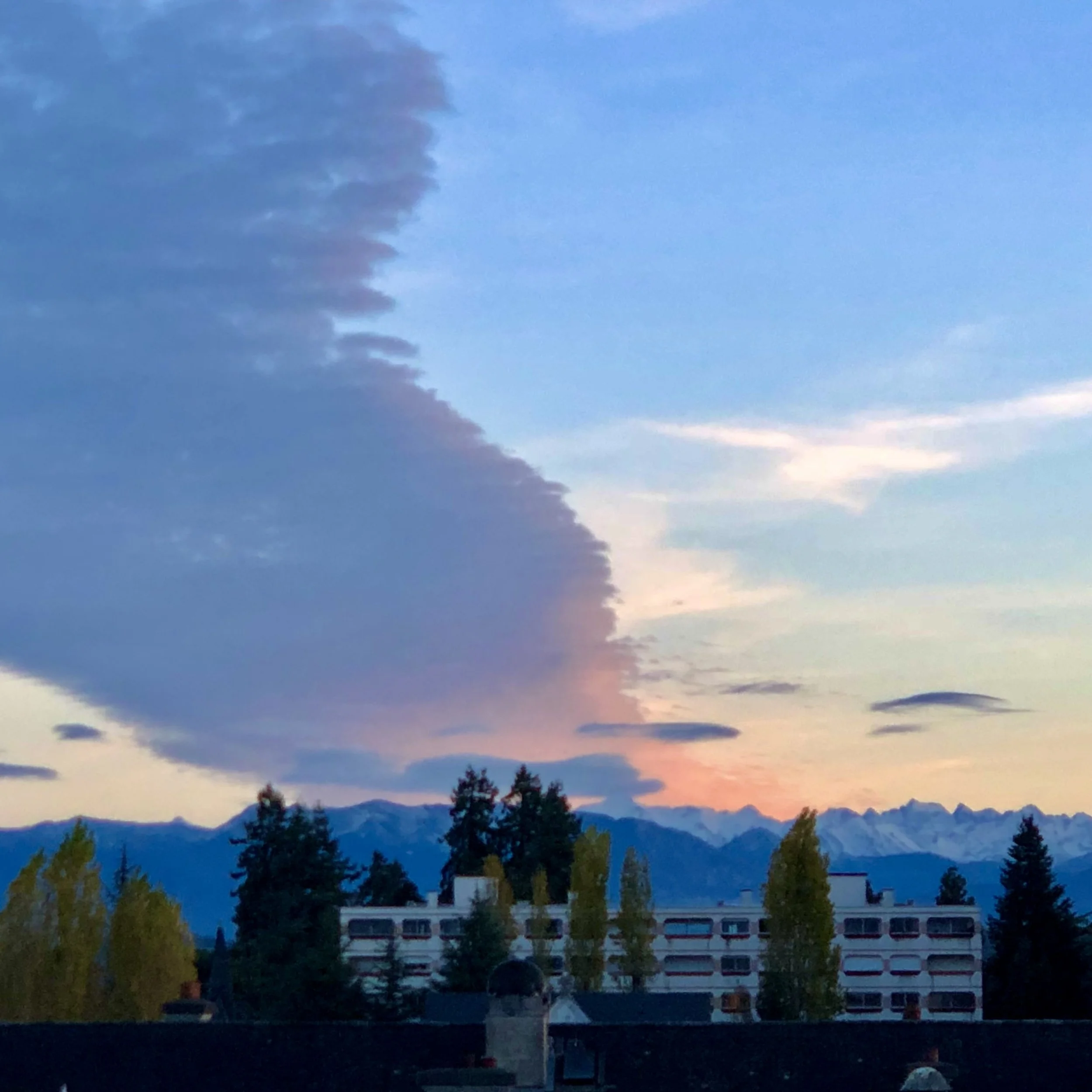
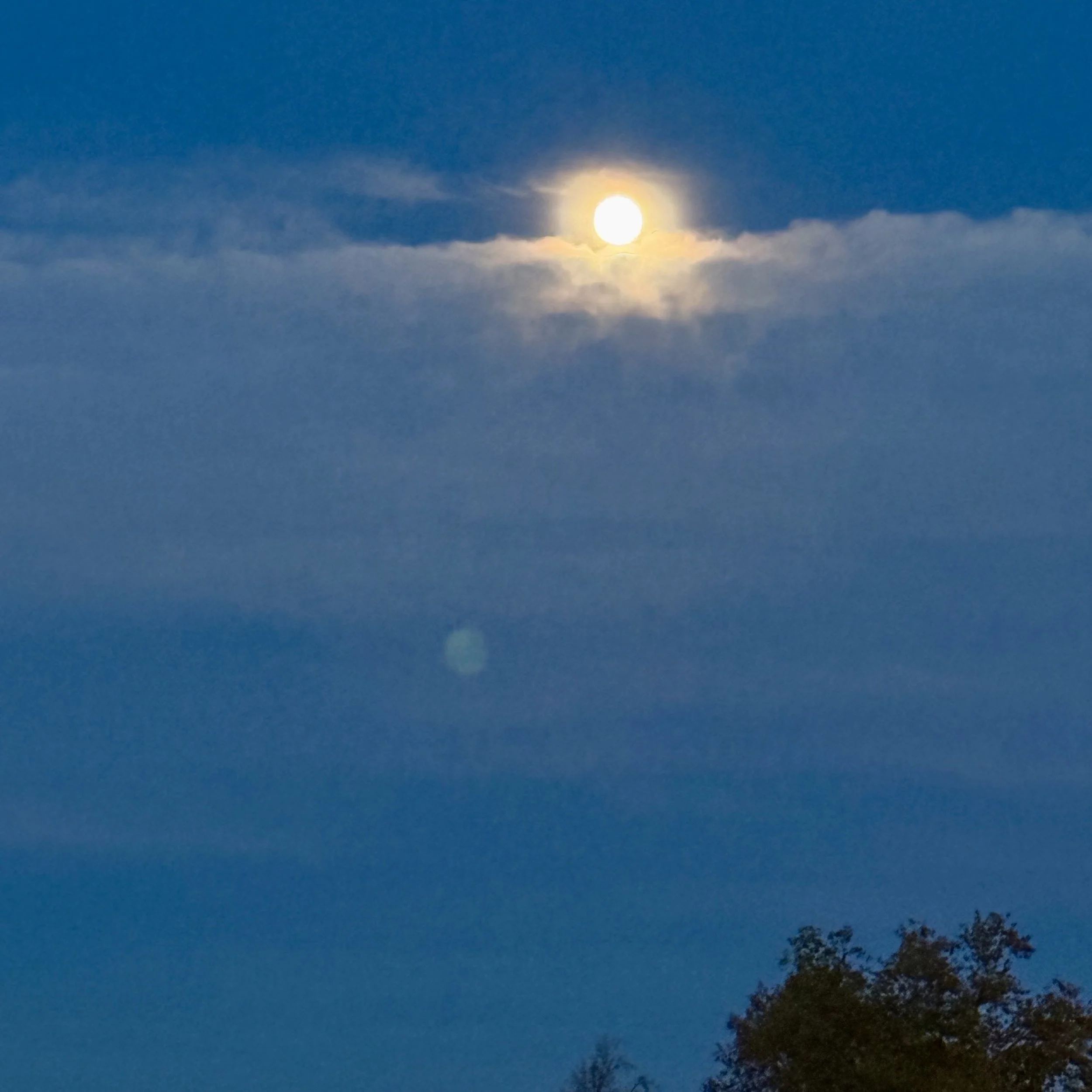
Similarly, the fickle southwest climate conjures breathtaking wonders. From our terrace that overlooks a broad expanse of the Pyrenees, we are frequently graced with ephemeral appearances of distant ridges, fully arched rainbows, and passing celestial bodies. They are conveyed by parting clouds, fast moving storms, bending light, or cosmic forces. These atmospheric marvels offer joy to the eye and spirit. For me, they often inspire introspection and water the seeds of creativity.
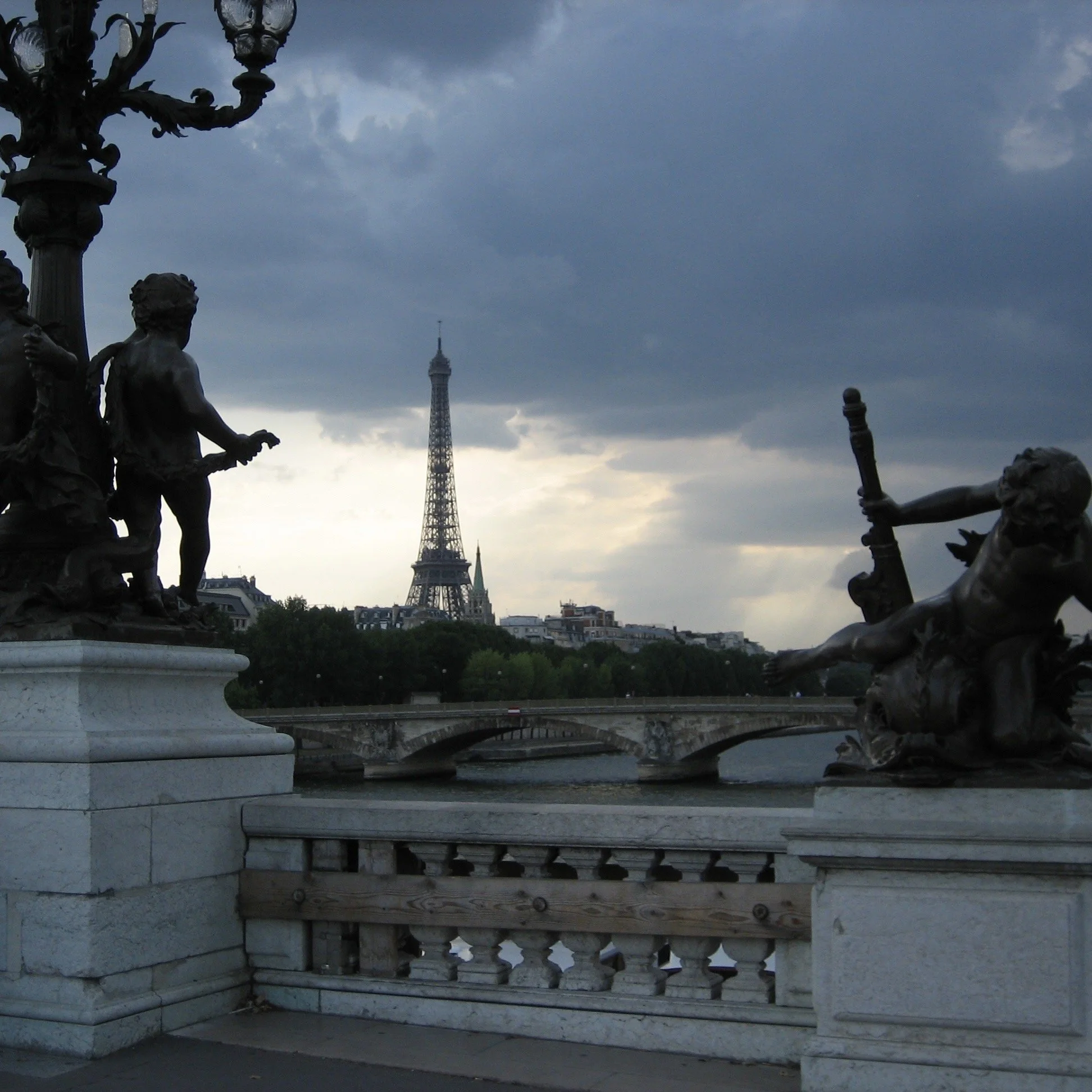
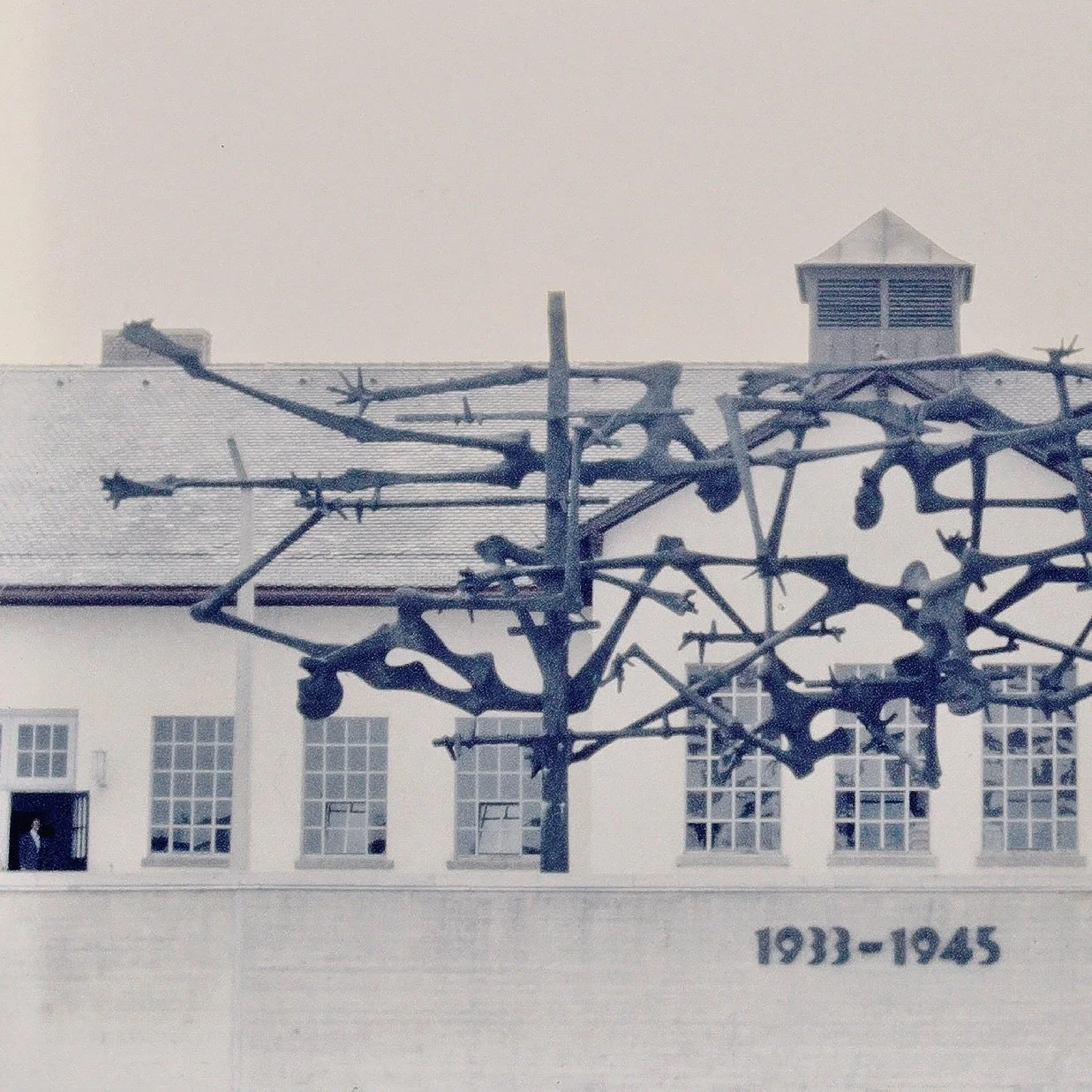
However, nature doesn’t hold a monopoly on generating striking glimpses. Whether by happenstance or designed intention, numerous architectural icons have also resonated with me. Catching a glimpse of the Eiffel Tower rising above distant rooftops, always fills me with delight and anticipation (despite many decades of surprise sightings). I’ve also experienced the gut-wrenching opposite: the cold concrete of Dachau’s concentration camp, viewed through the outstretched limbs of a haunting sculpture created by Nandor Gild, a Holocaust survivor.
Sometimes the most stirring glimpses are connected to people, rather than the creations of man or nature. The brief glance of a passing stranger can trigger an instant emotional recognition, leaving you to wonder if you’ve met before, in this life or another. Or maybe a shape-shifting crowd filters, reframes, and enhances a transient view, as it did for me in the summer of 1980.
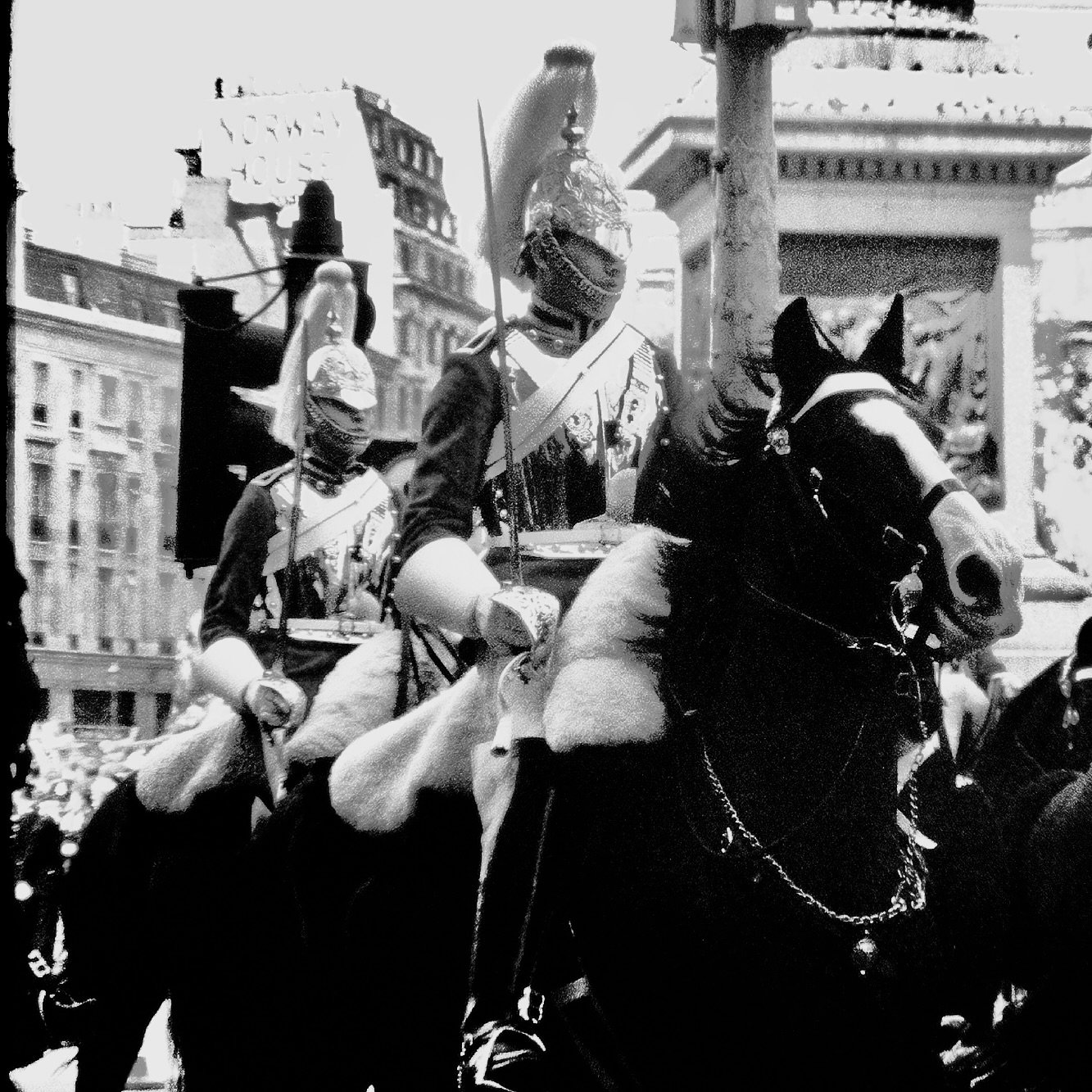
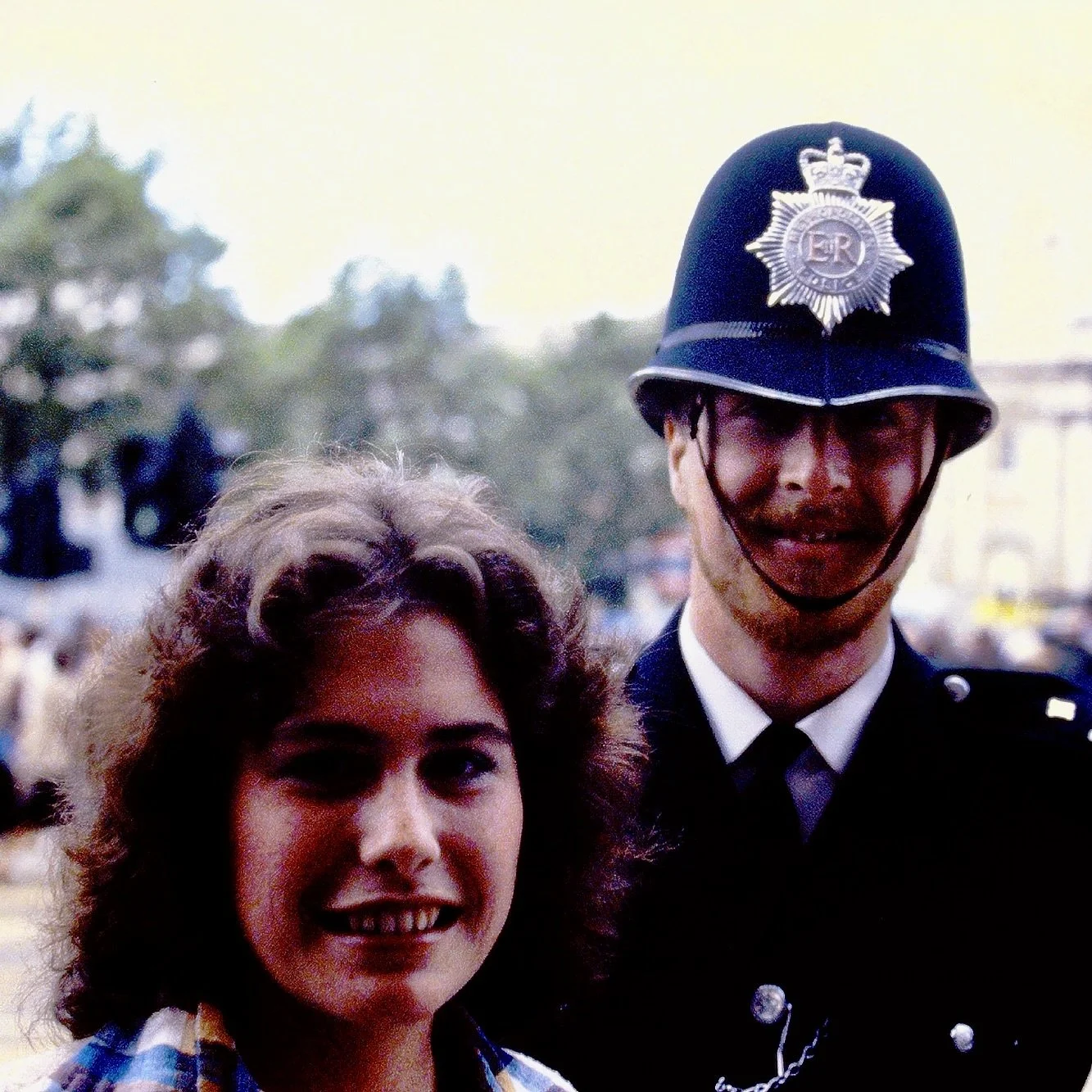
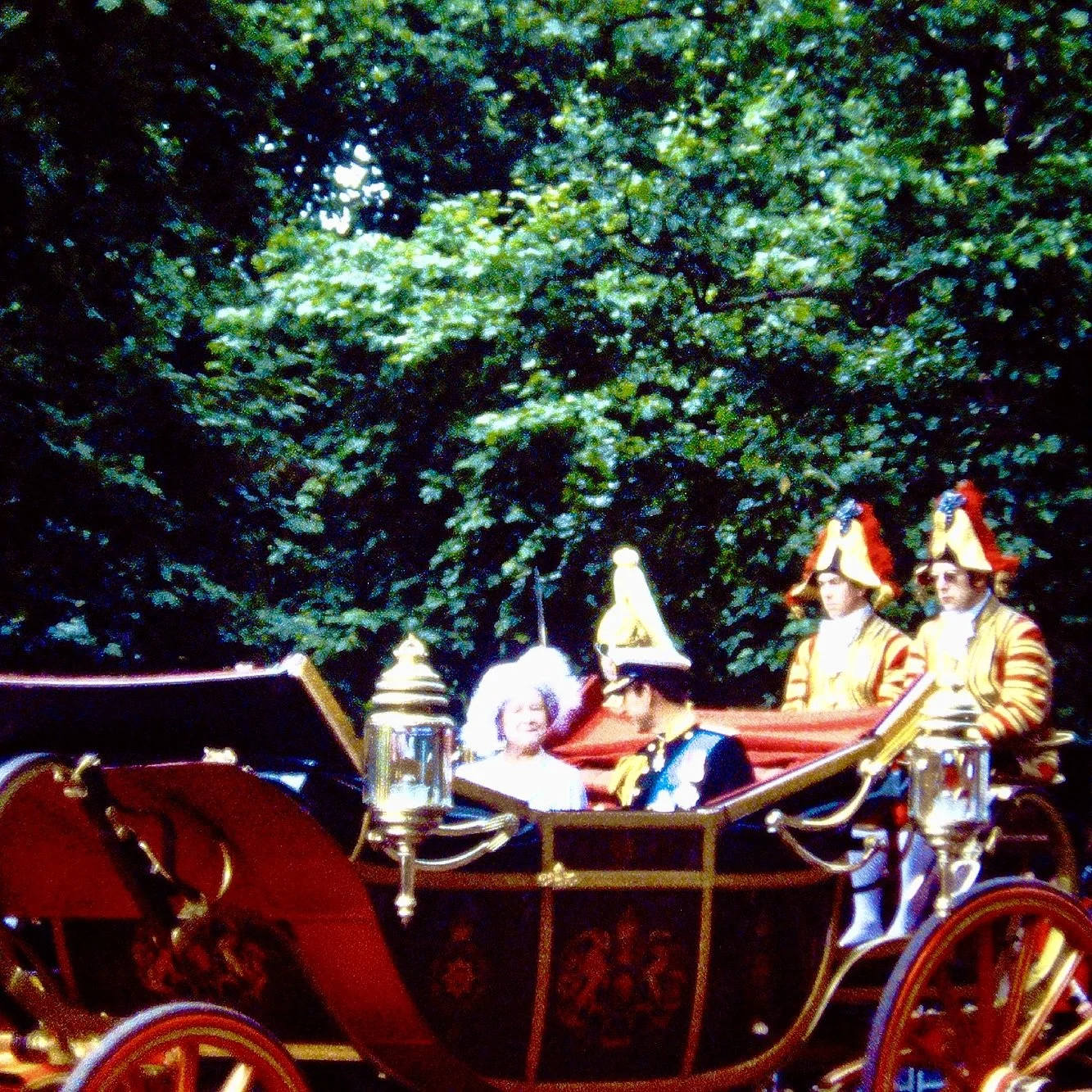
While on an academic tour of Great Britain, I stood for hours with fellow “English majors” peeking between the heads and shoulders of a massive crowd near Buckingham Palace. We were determined to catch the royal family’s procession to Saint Paul’s Cathedral for the beloved Queen Mother’s 80th birthday celebration. I remember an unnerving rumble beneath my feet, followed by clopping hooves and jangling bridles before the Cinderella-like carriages whisked by. I joined the collective rush of jubilation as I tottered on tiptoes and snapped photos over the shoulder of a handsome young “bobby.” Despite its obstructions, the crowd provided a focal lens through which I experienced, and will forever recall, this historic spectacle.
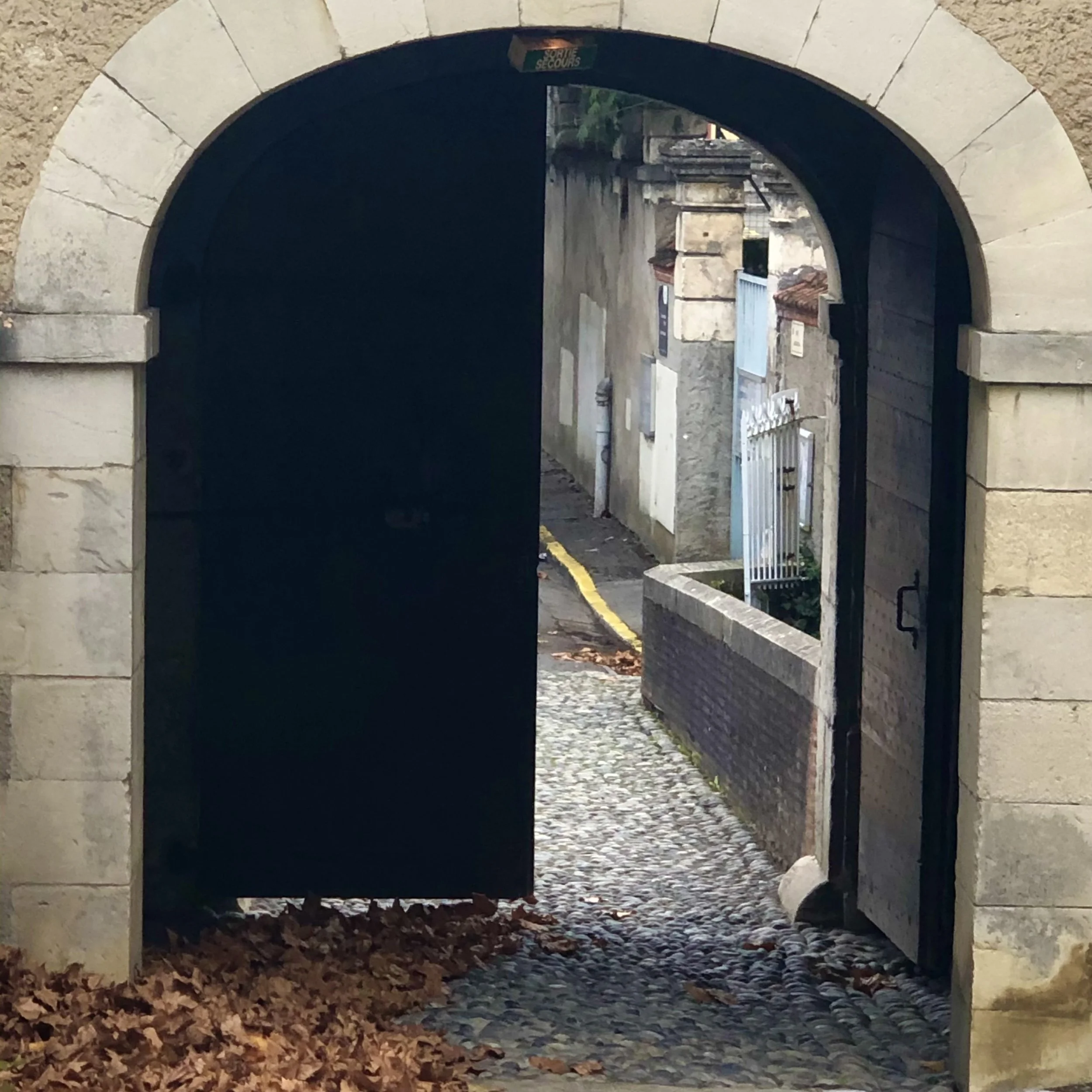
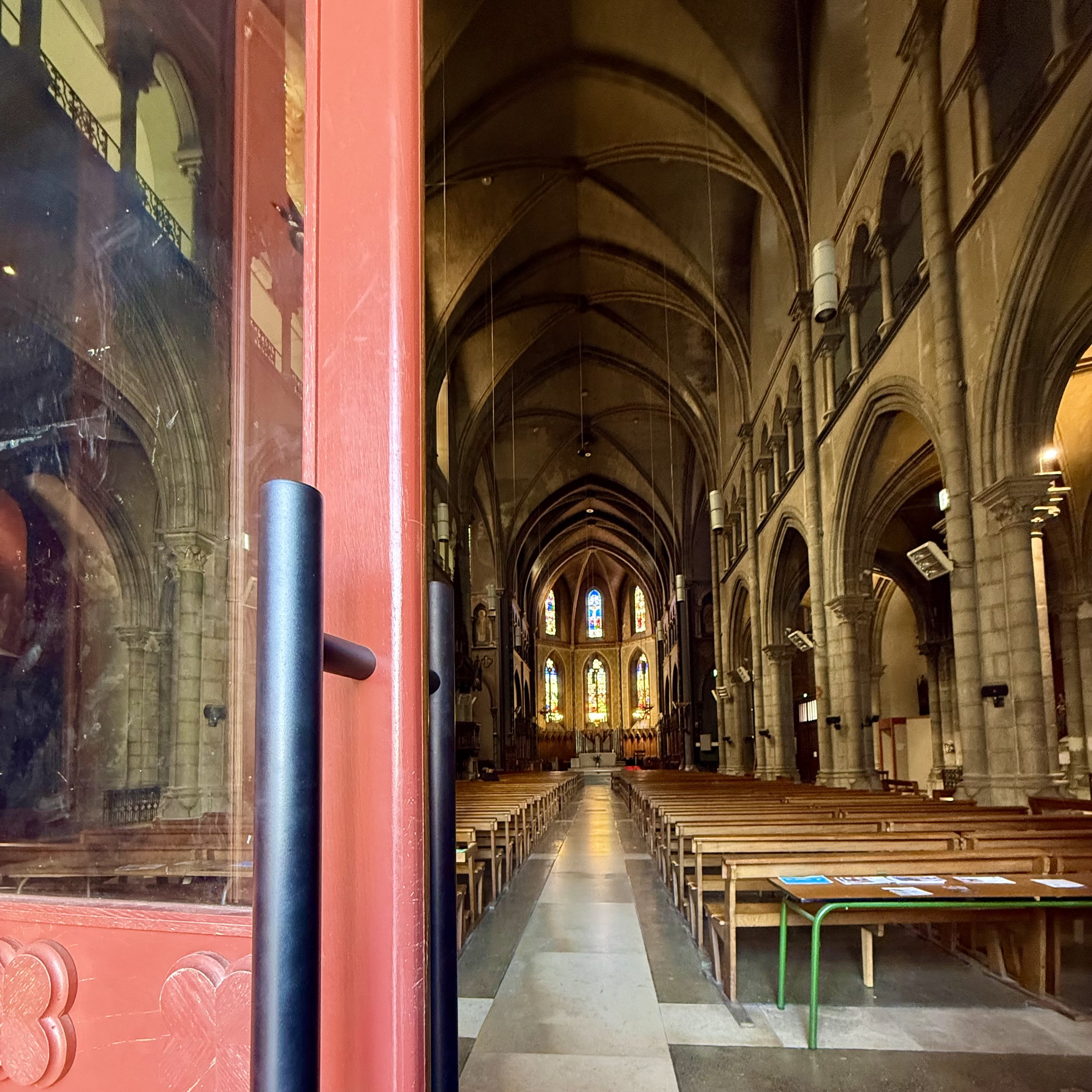
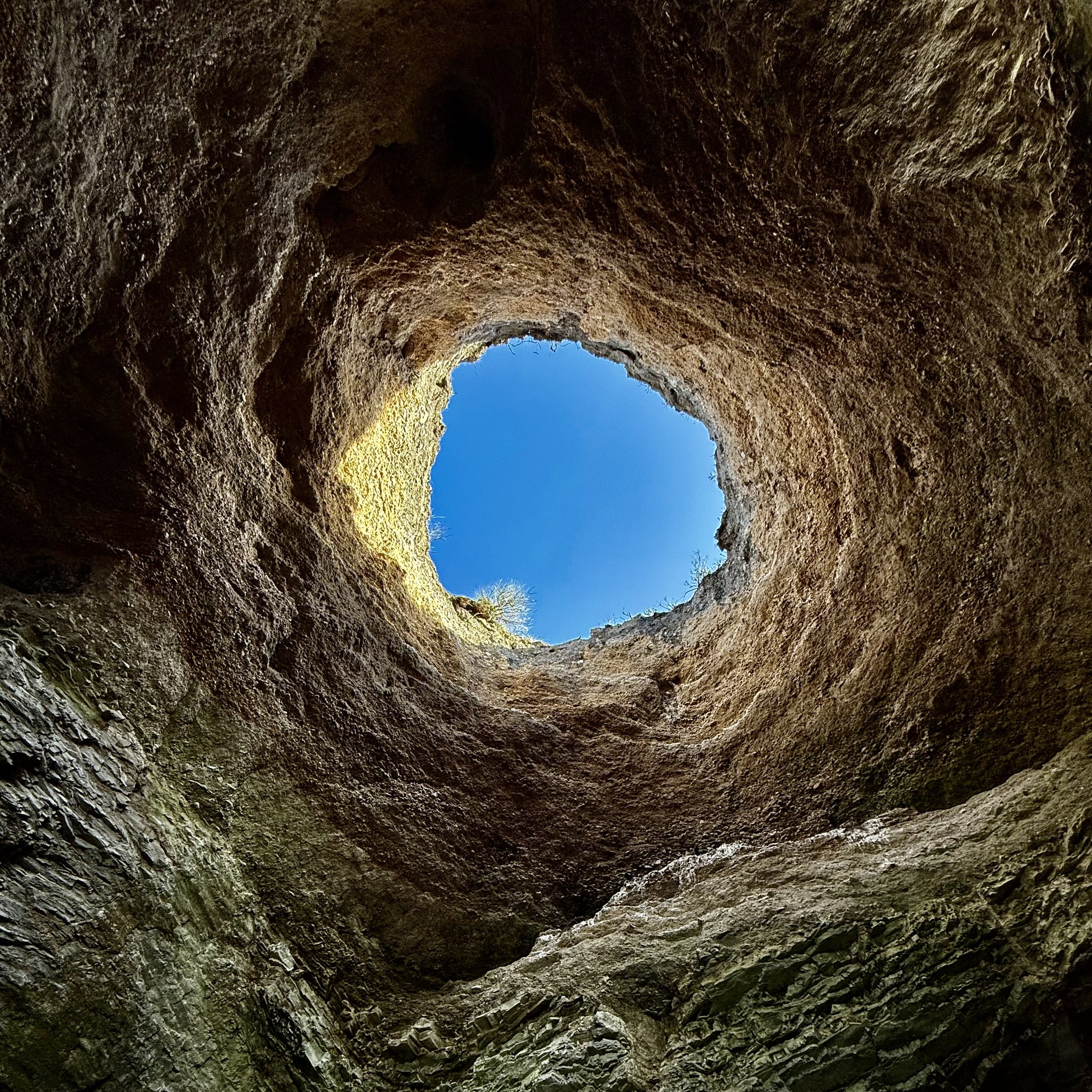
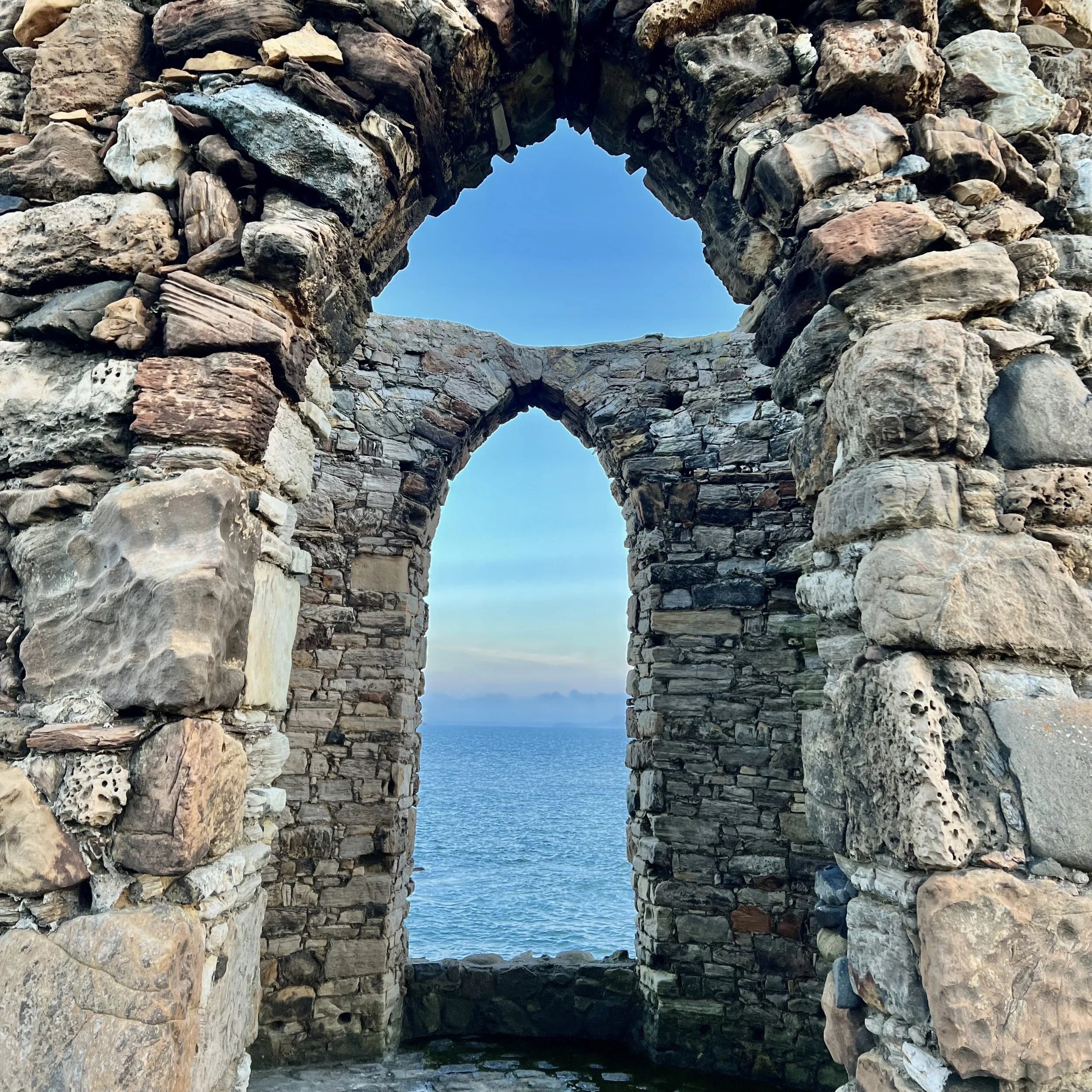
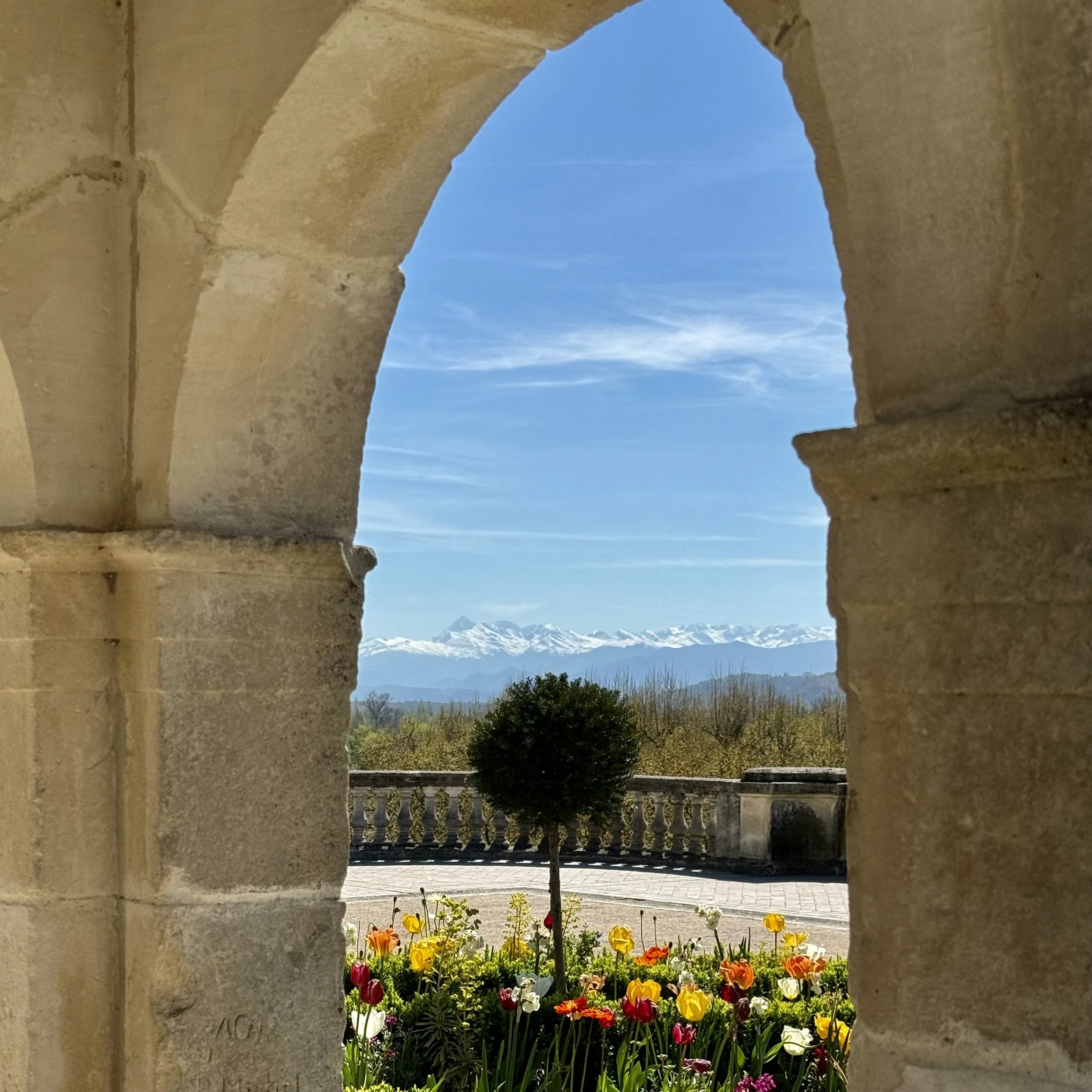
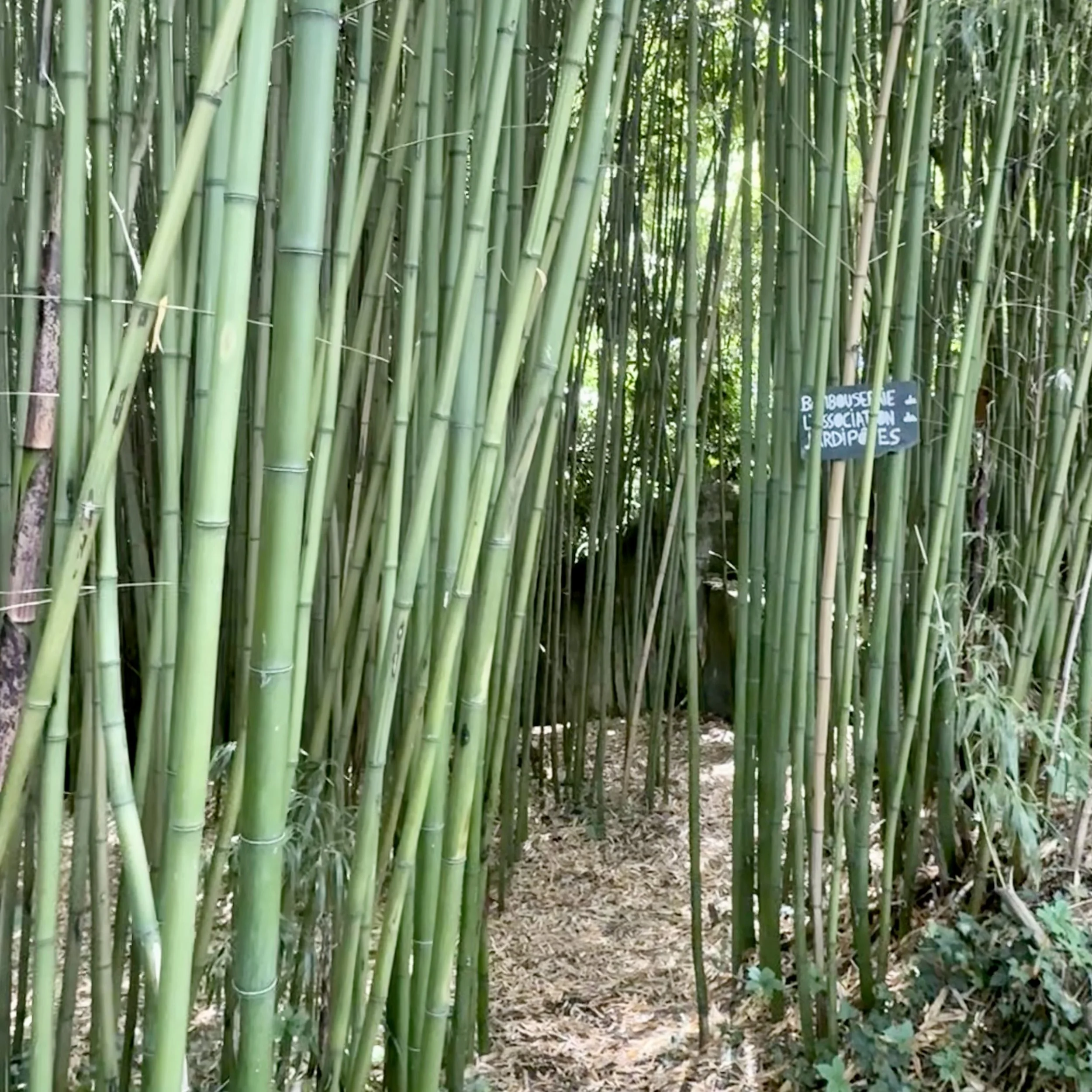
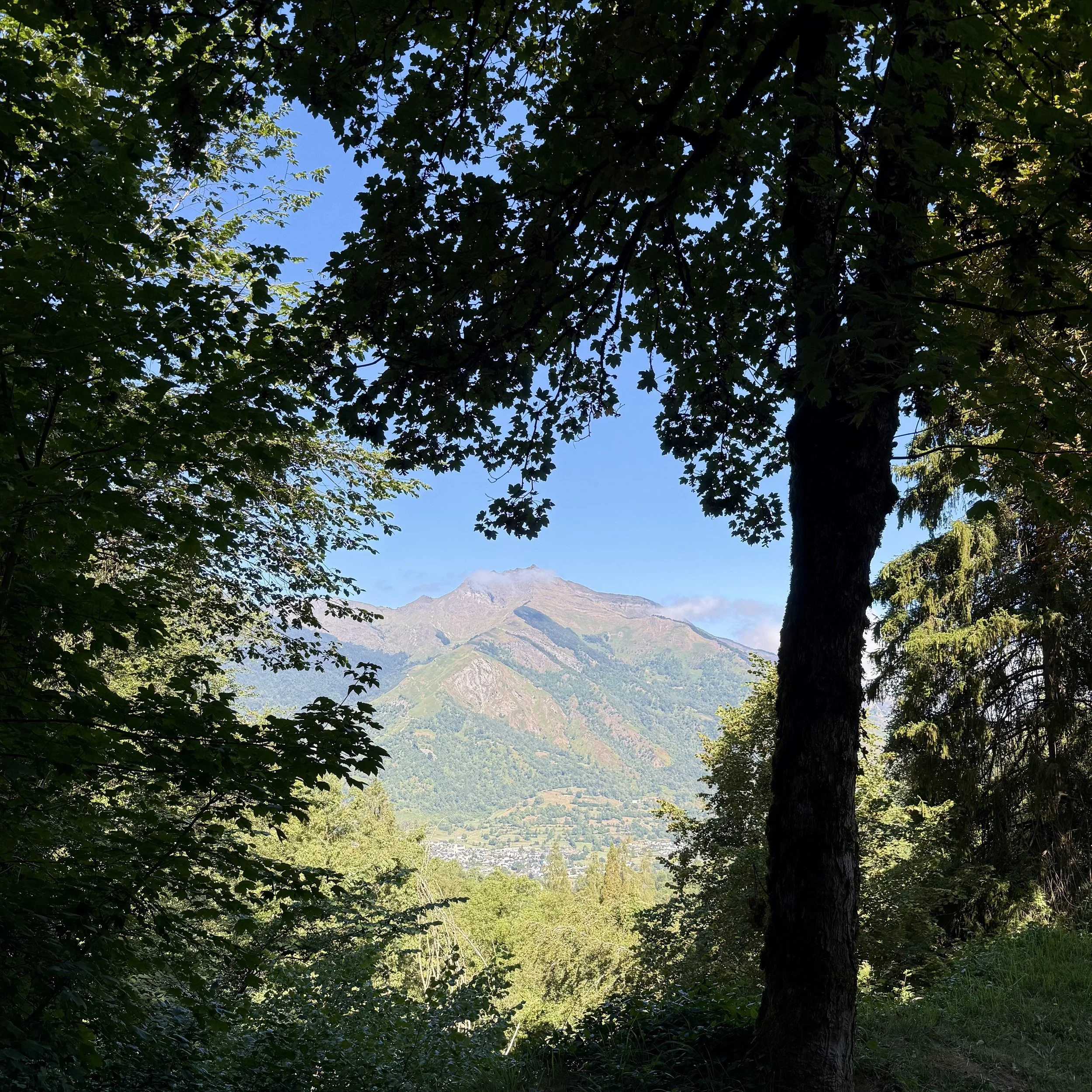
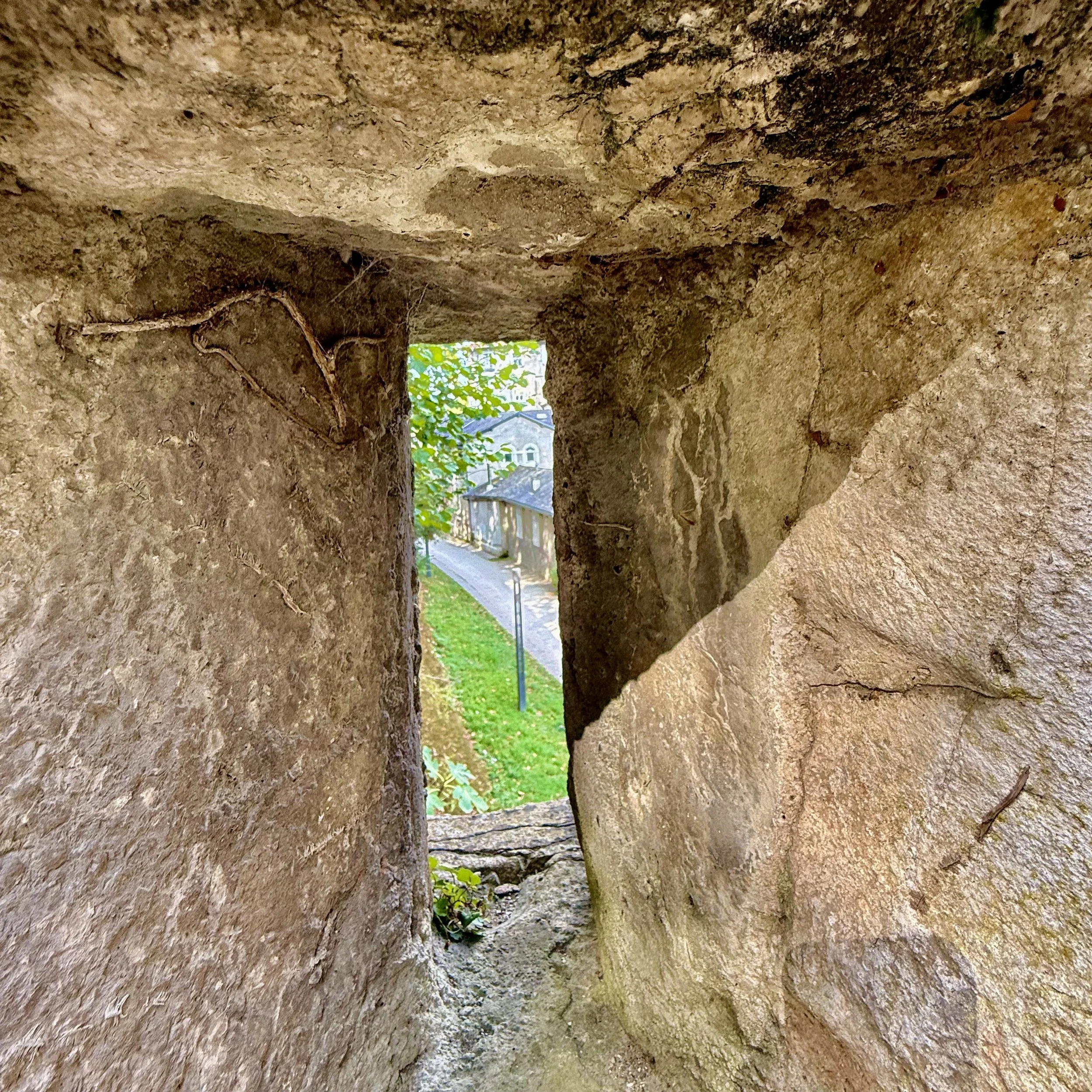
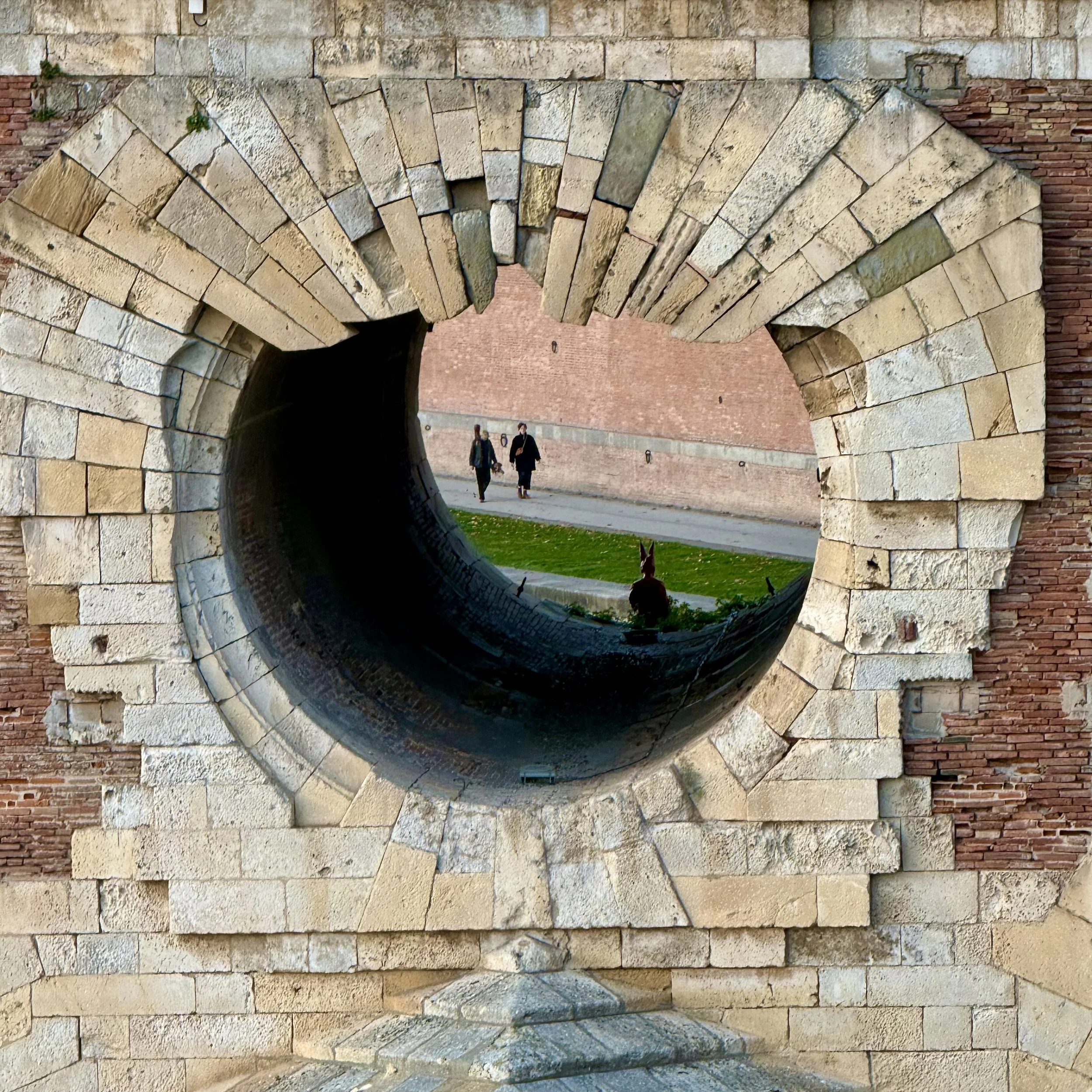
I have also found that looking through an aperture has a similar ability to capture perspective changing “aperçus.” In fact, my photo archive reveals a penchant for views through doors, windows and crevasses—between buildings, rocky outcrops, or dense vegetation. They always invite further discovery of what lies beyond their confined scope. Whether caught on camera or not, momentarily seeing something or someone through an aperture can refocus, magnify, or elevate the meaning of a small detail. Some resonate immediately, while others enlighten retrospectively.

Many years ago, JB and I were enjoying an afternoon at the Musée D’Orsay, whose architectural origins as a former Parisian Beaux-Arts railway station are as impressive as its masterpieces. While walking through a corridor from one “salon” to another, he paused to photograph a massive circular window bearing a functional clock face. Not until the film was developed, did we discover how the contrast of light and depth of field had captured the shadowy silhouette of a gallery attendant, the graphic power of the clock components, and the sunlit sliver of Sacré Coeur’s pale dome in the distant background. For us, that brief glimpse—made permanent in celluloid—encapsulates the complex beauty of a densely clustered city brimming with art, architecture, history, and humanity.
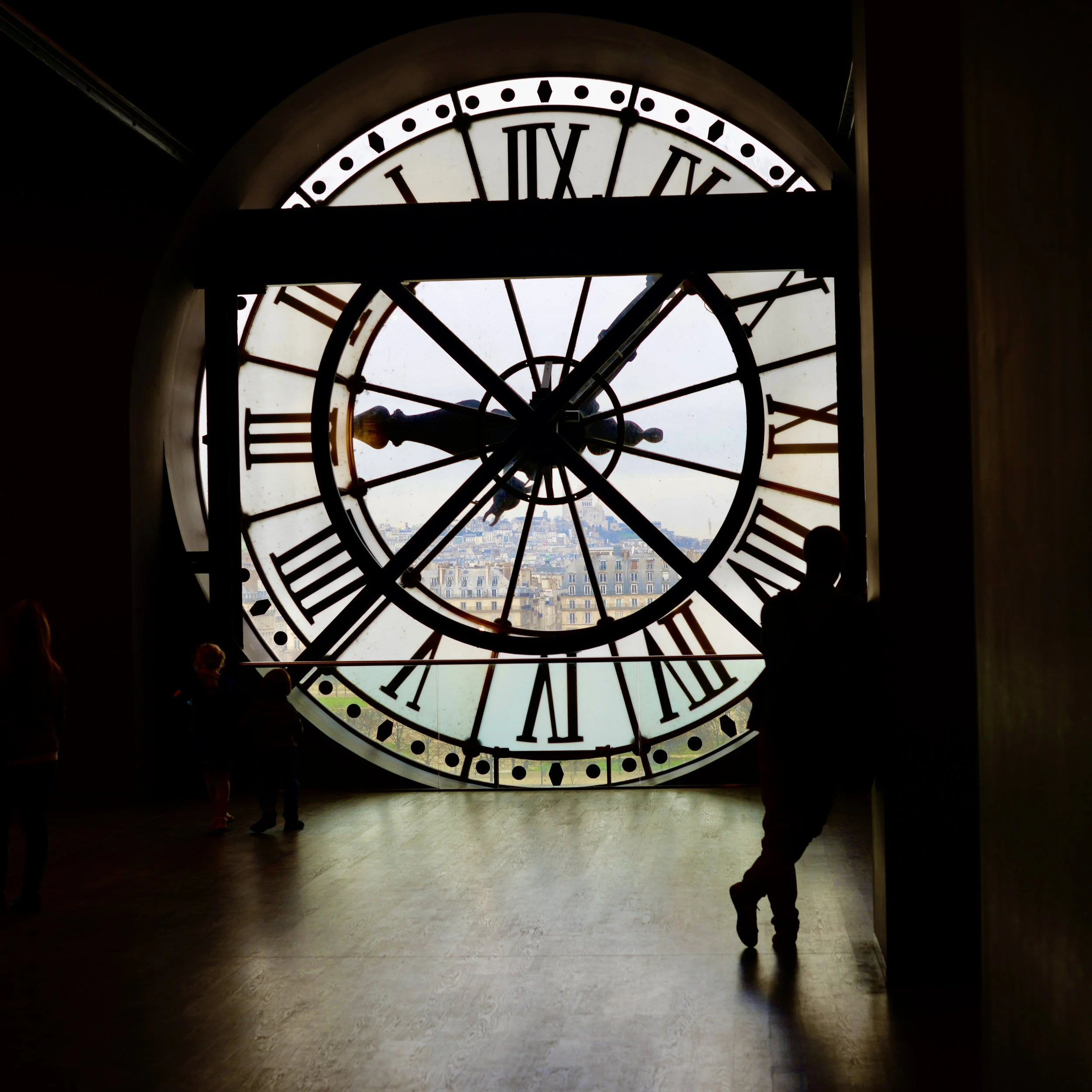
Musée D’Orsay
Maybe the reason I’m so enamored with the little word “aperçu” is because of its enormous capacity. A glimpse can condense and distill life’s broad strokes into their essential elements while also opening wide the apertures of perception and emotion. In moments of duress or physical danger, we often proclaim, “my life flashed before my eyes!” It’s not a fully fleshed epic film that rolls out, but a tumble of snap shots, culled from a catalogue of countless moments. Perhaps that’s a worthwhile nudge from our innermost self to embrace every “aperçu” that waits around a bend in the road, beckons beyond a doorway, hovers among parting clouds, or rises from an open heart.