The Geological Splendor of L’Ardèche
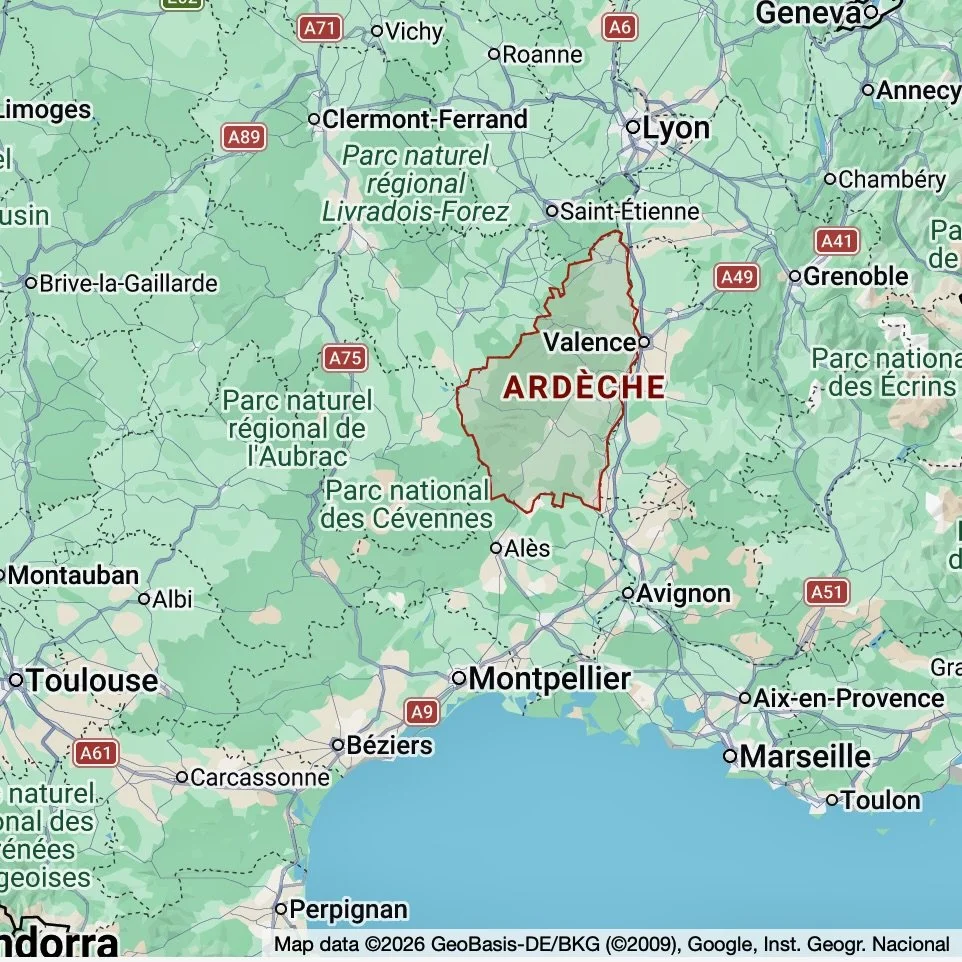
Savoring the Journey
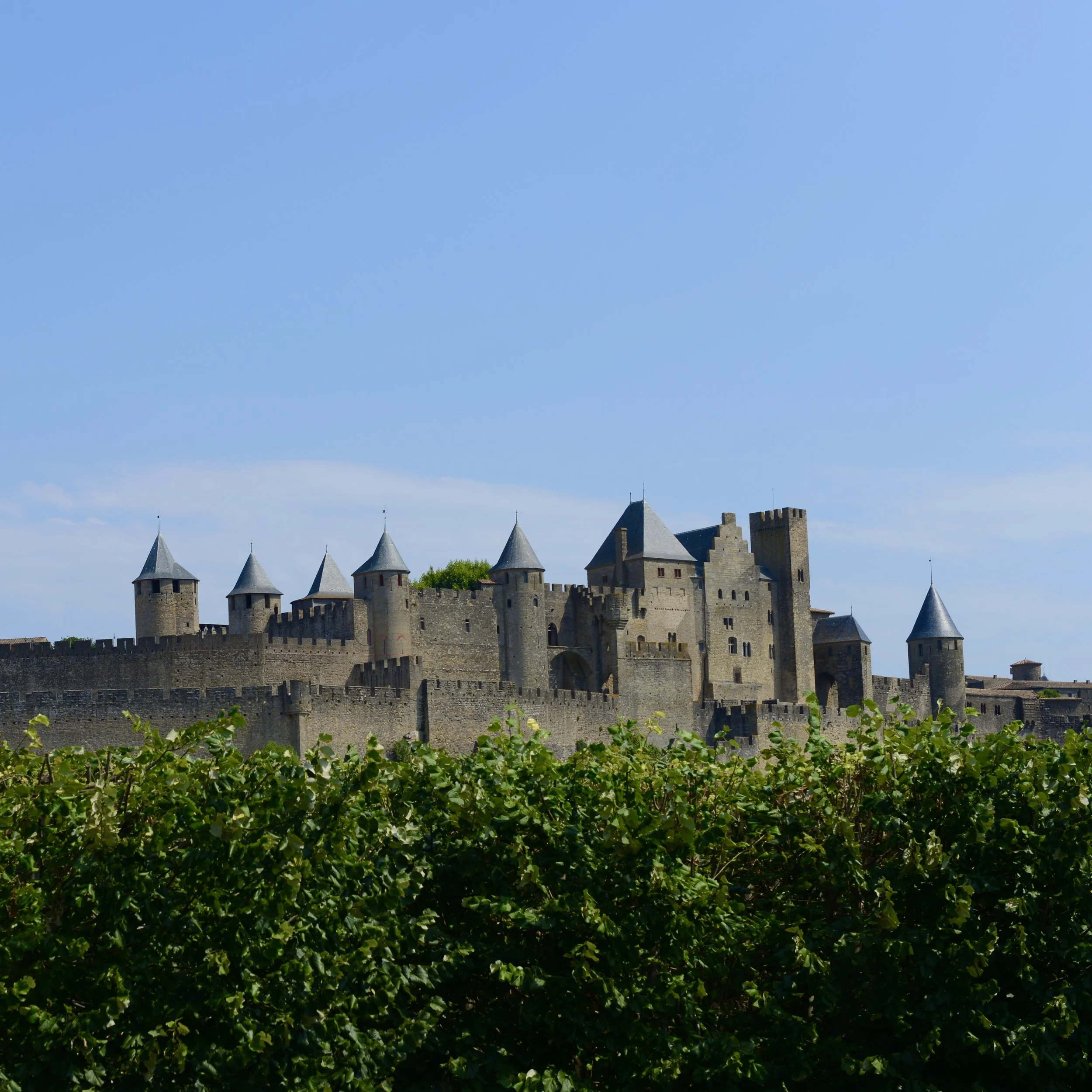
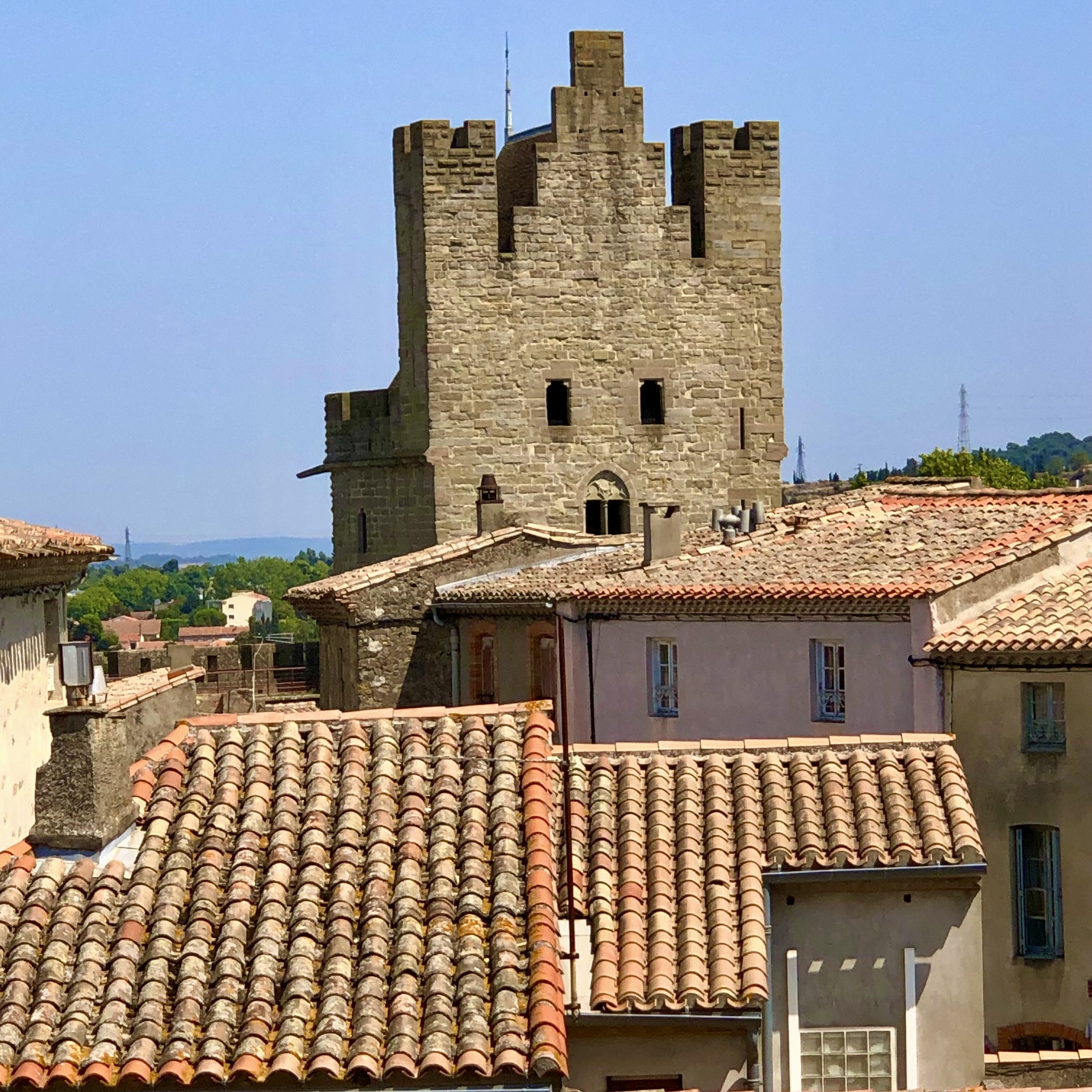
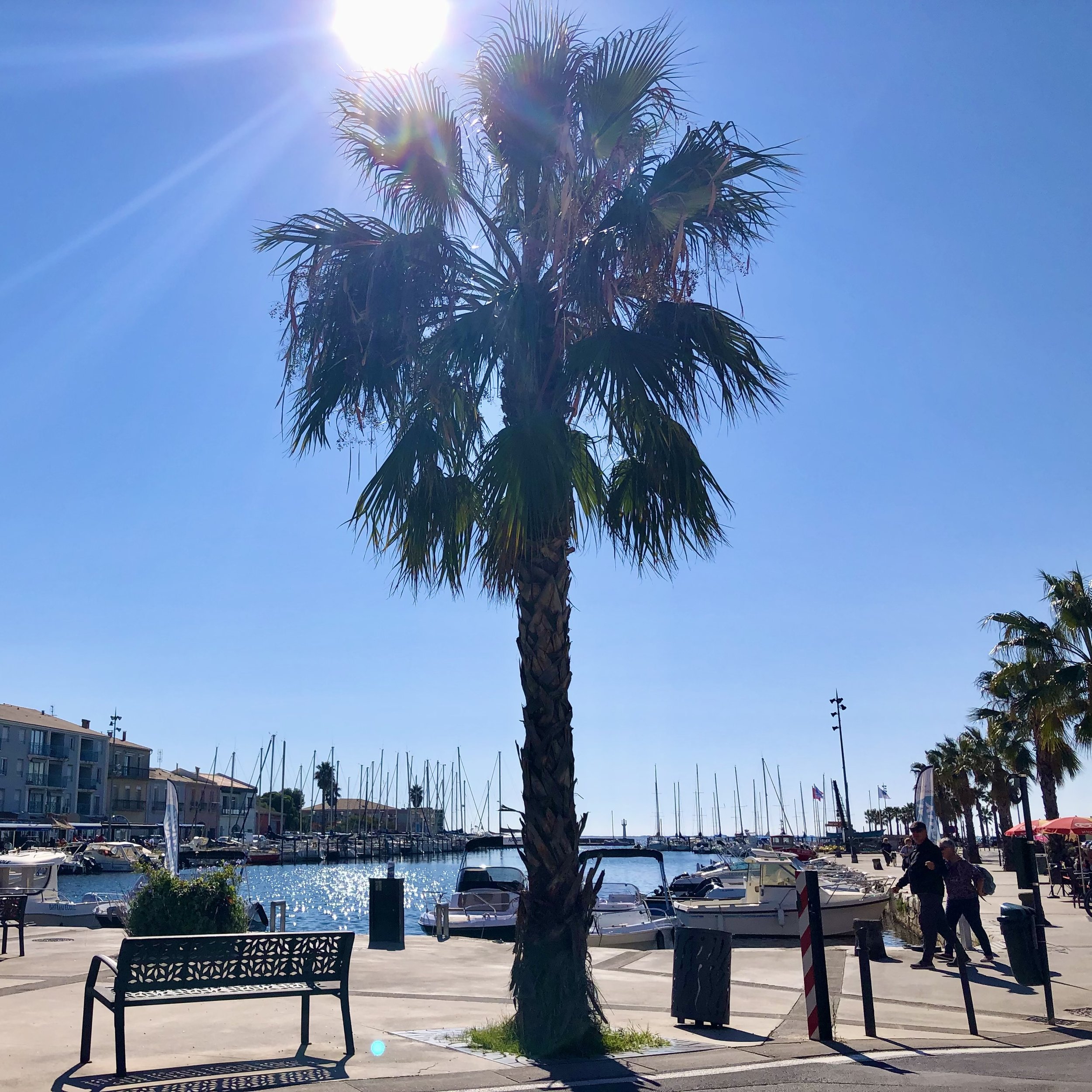
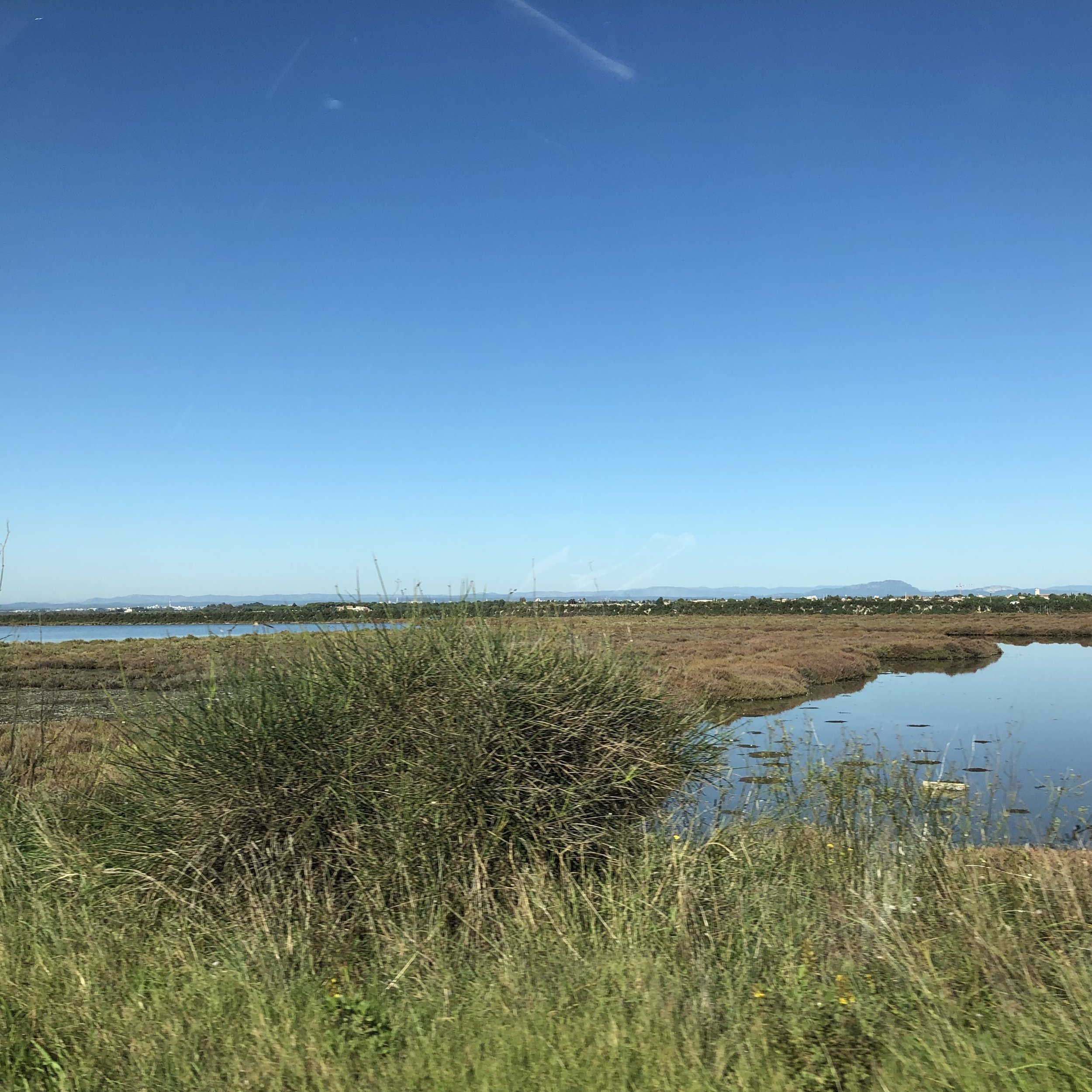
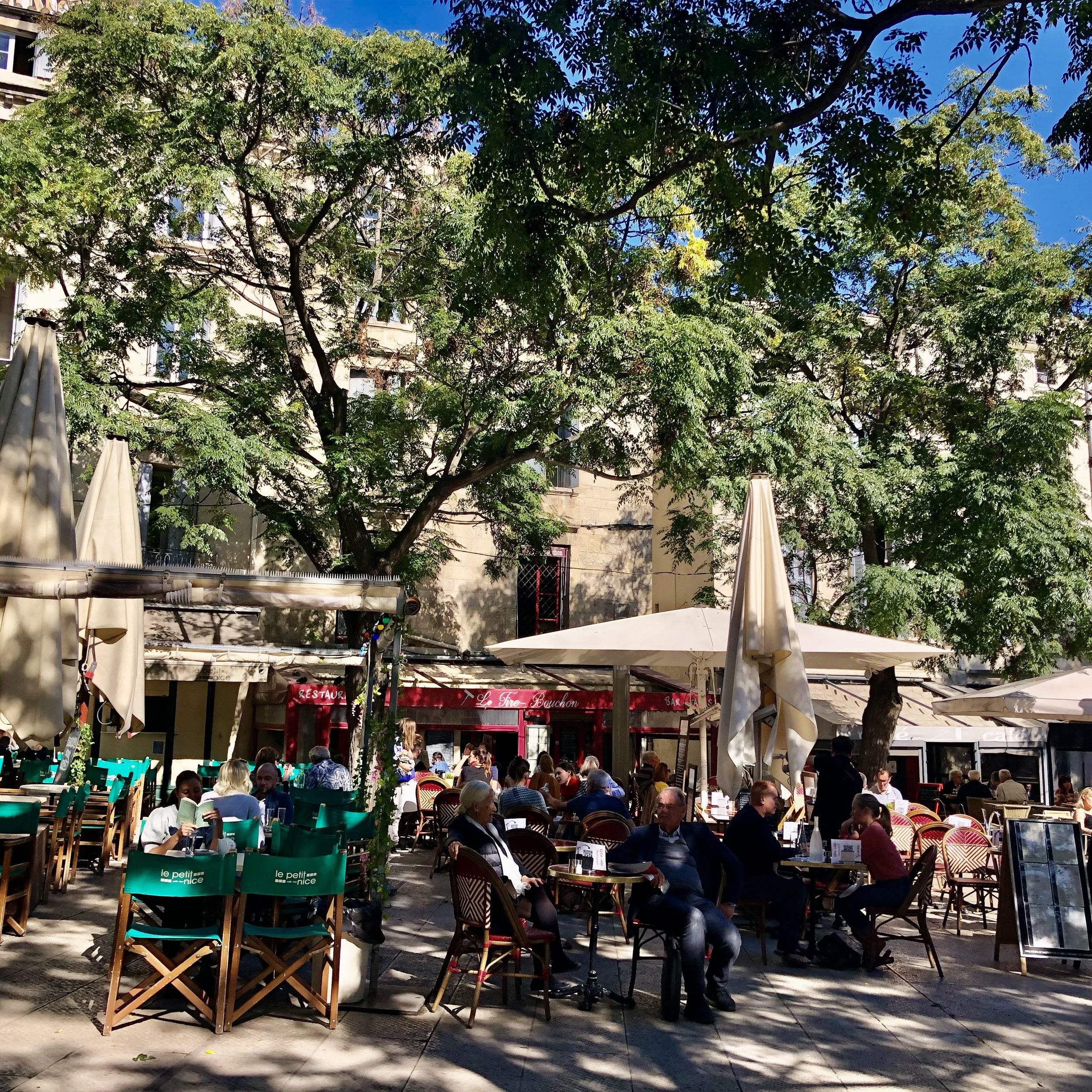
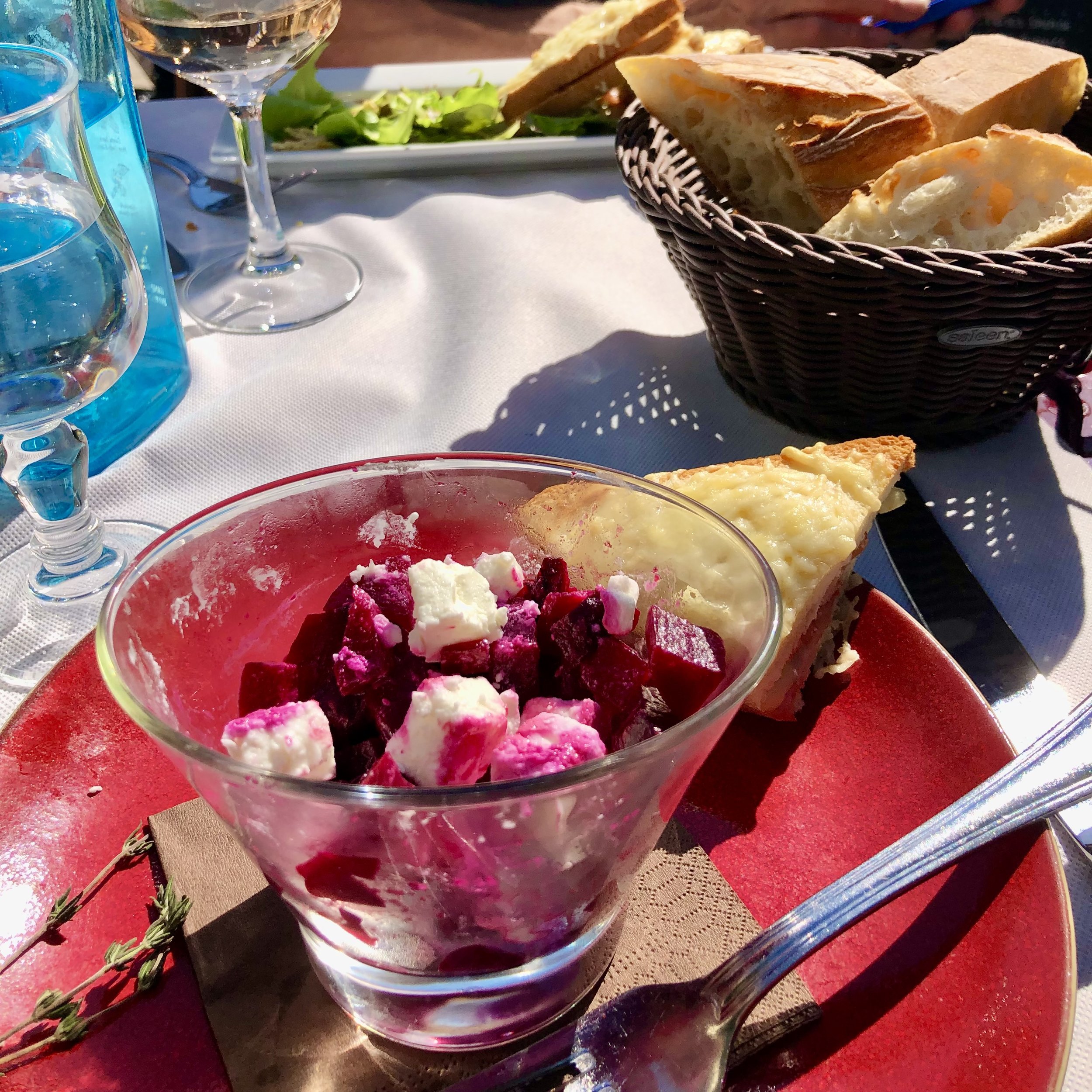
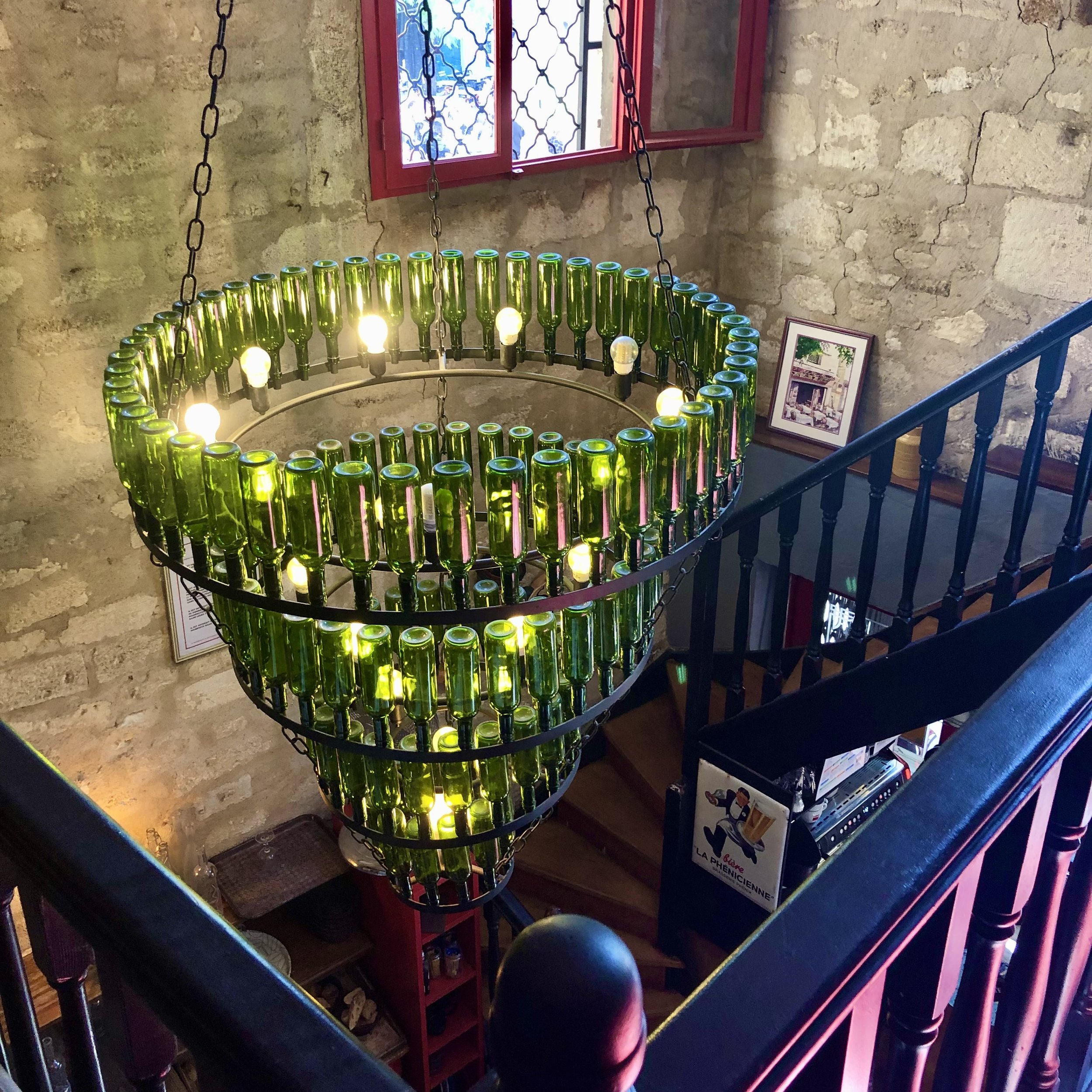
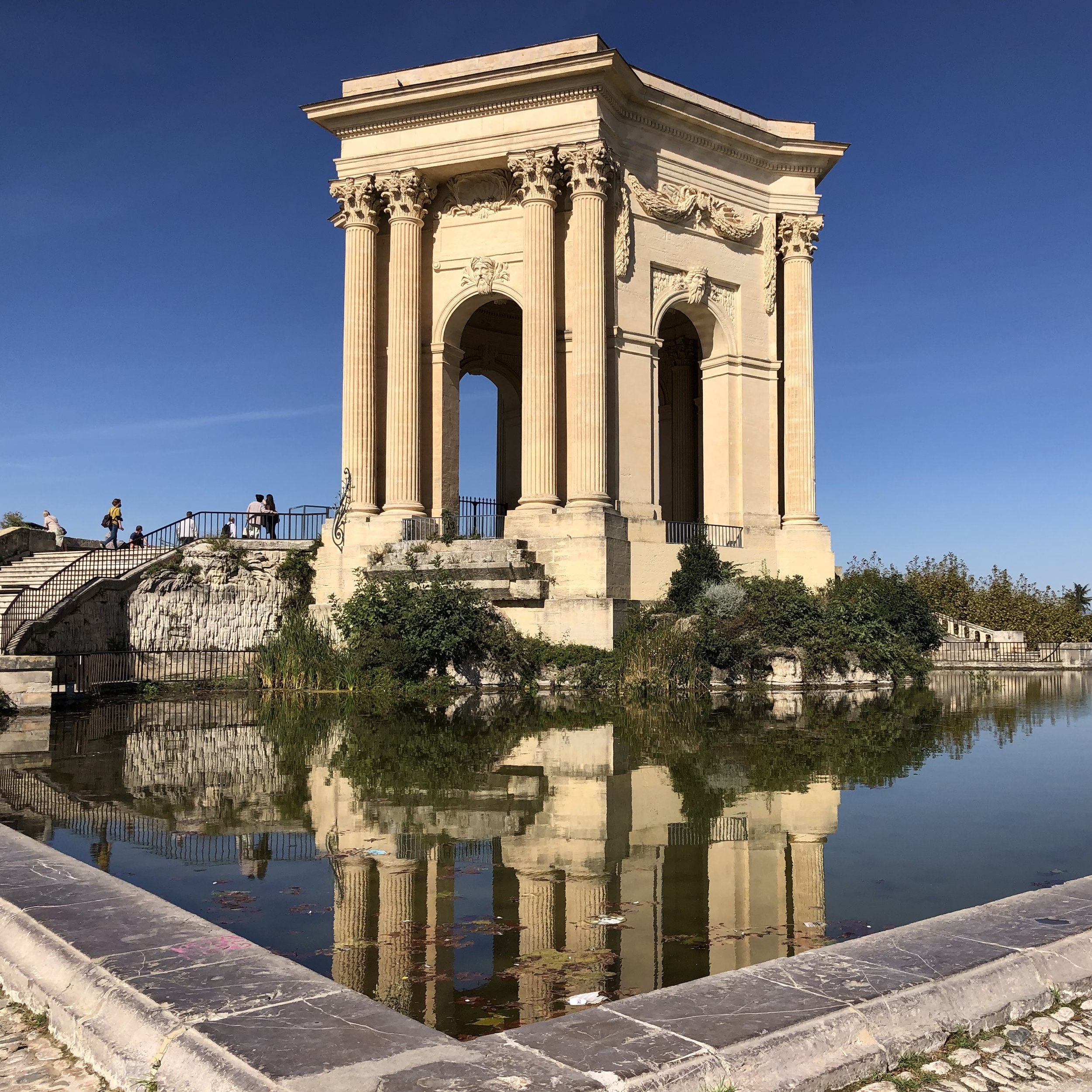
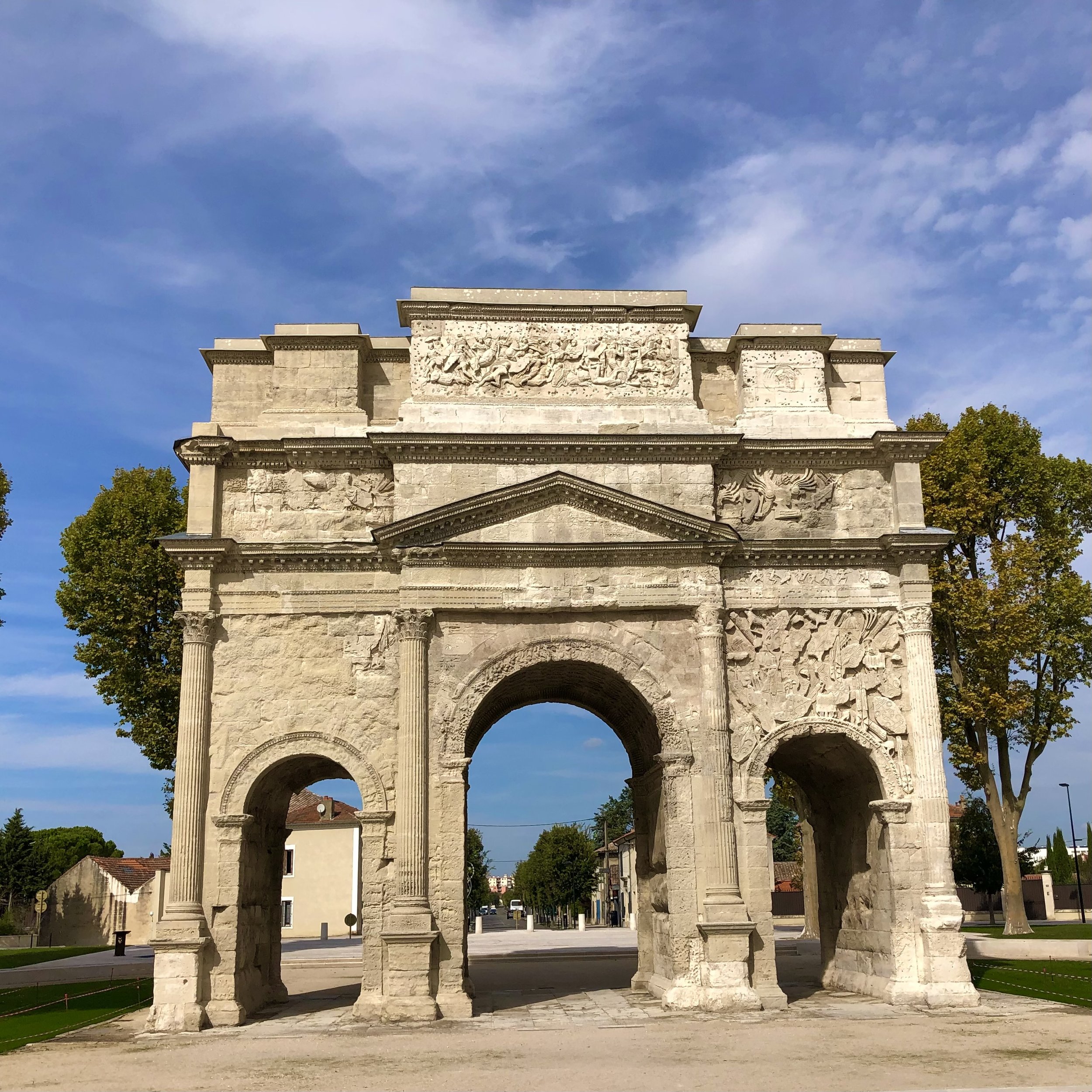
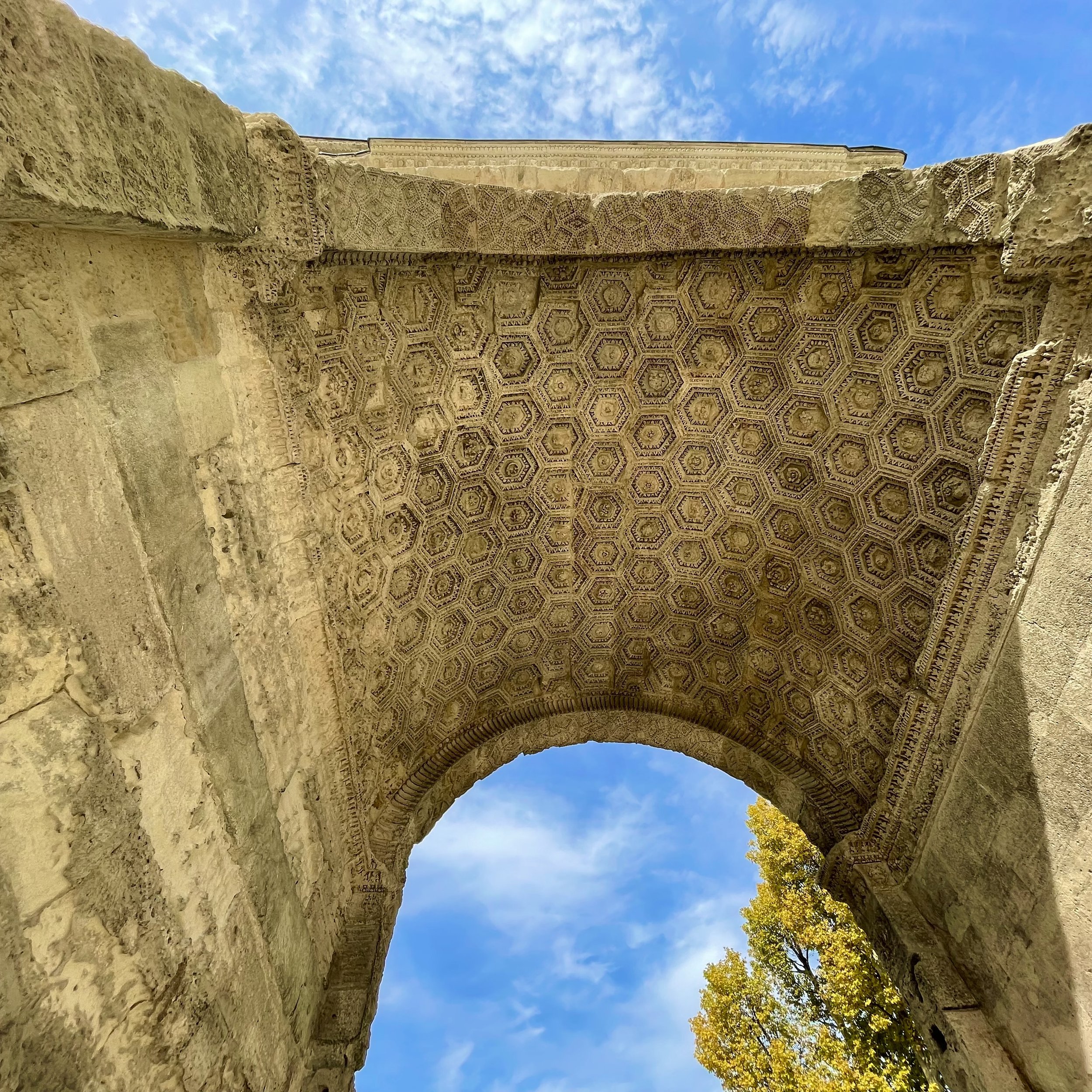
The department (county) of Ardèche, lies in the Auvergne-Rhône-Alps region. Without stops, the journey by car is rougly 5 ½ hours east of Pau, but our pauses for lunch, EV charging, and gorgeous scenery delightfully stretched to a full day. After passing Toulouse (due east), our route dipped toward the Mediterranean, past the medeival walled city of Carcassone (worthy of it’s own scrapbook chapter), and on to coastal Montpelier in time for a relaxing lunch at an outdoor café and a short walk to soak up the city’s architecture. From the Occitainie Region of Montpelier, we crossed into Provence, skirting the salt marshes of the Camargue delta and Avignon (Medieval home to the Pope), pivoted northward in Orange (“the gates of Provence”), and followed the Rhône River toward the Ardèche. The alpine region’s natural landscape is a kaleidescope of mountains, hills, rivers, gorges, forests, and plains. We have only scratched its surface and will surely add to this chapter in the years ahead!
PHOTOS BELOW: 1 & 2 Carcassone; 3 Porte de Mèze; 4 Canal de Ceinture; 5 - 7 Montpellier; 8-10 Orange.
Nesting in a vineyard
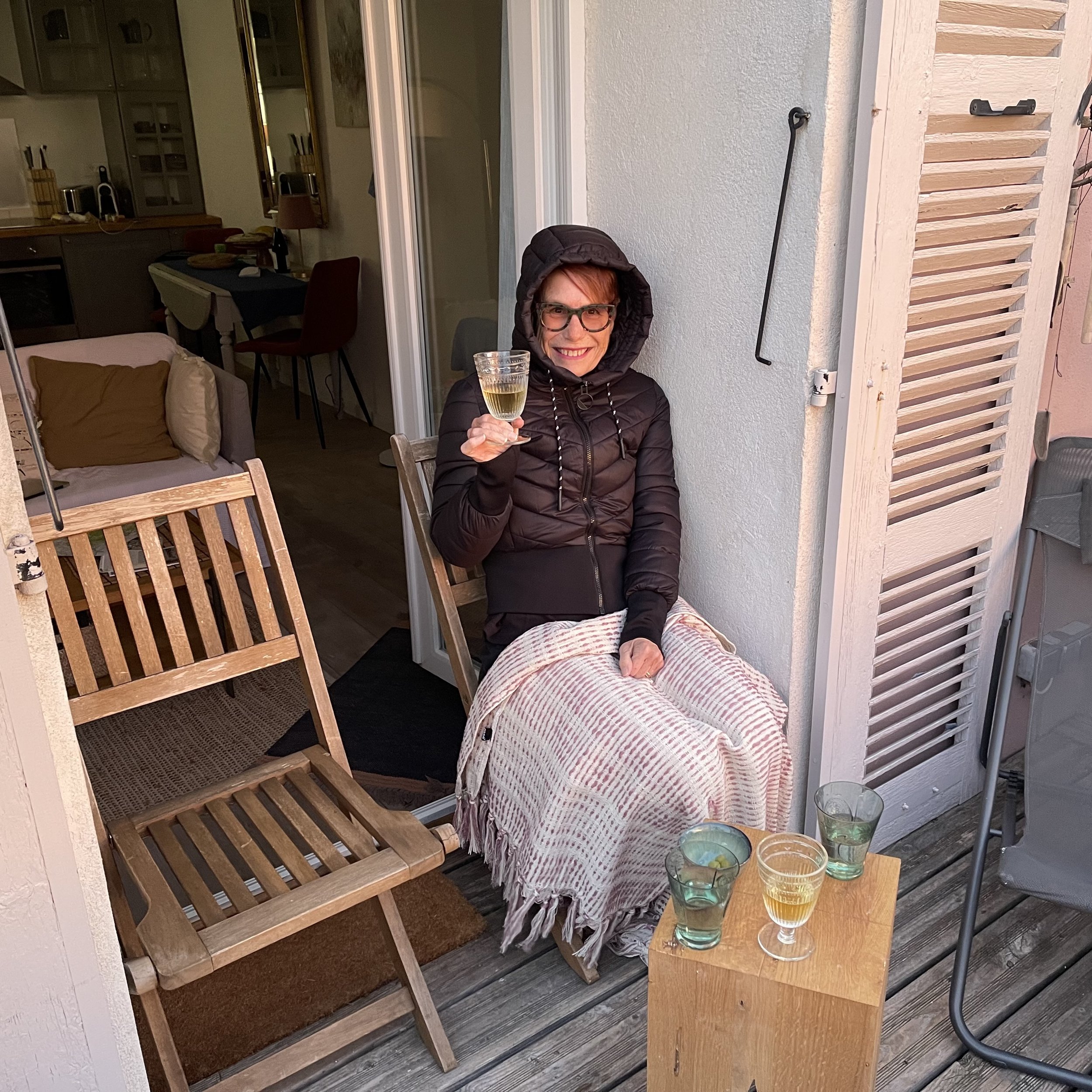
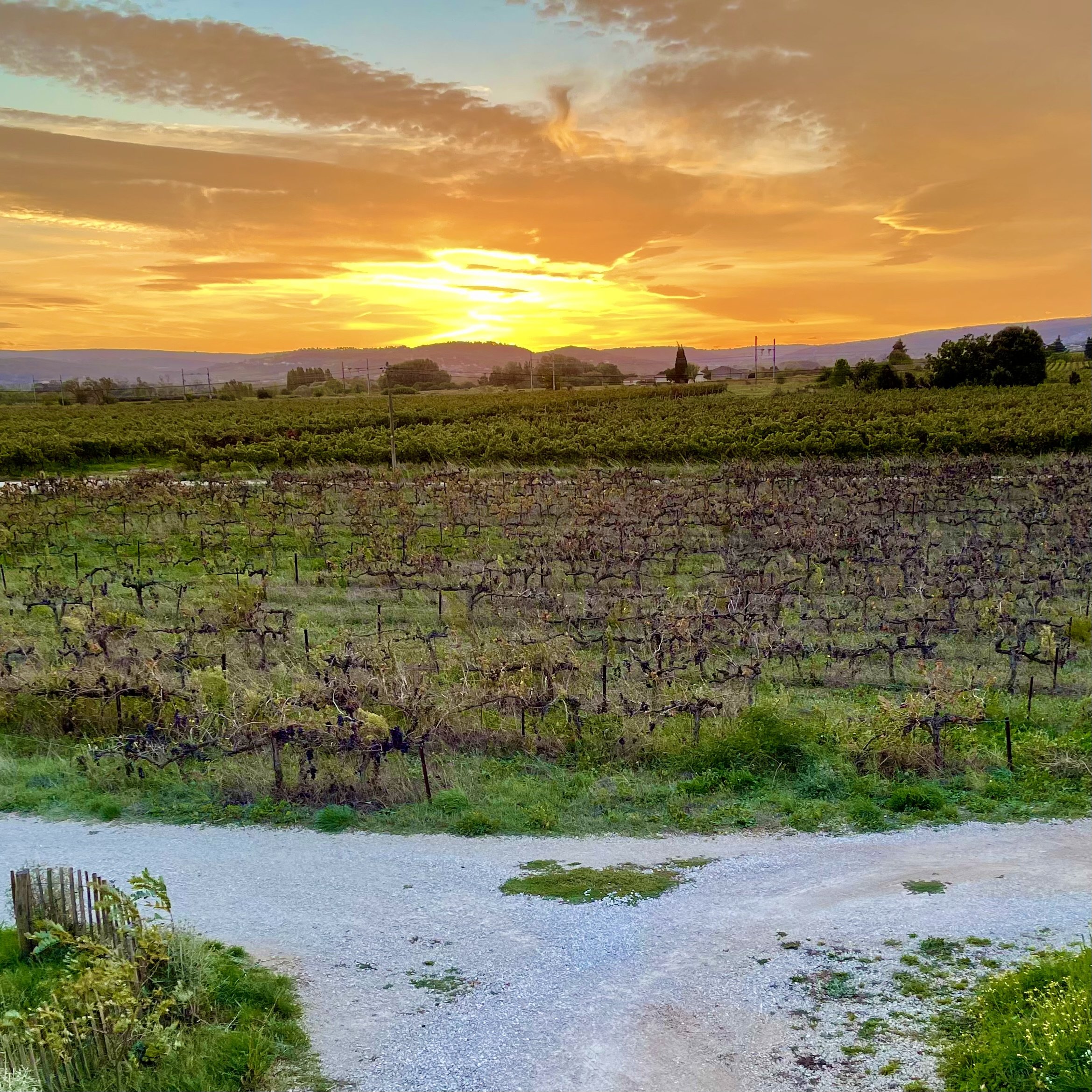
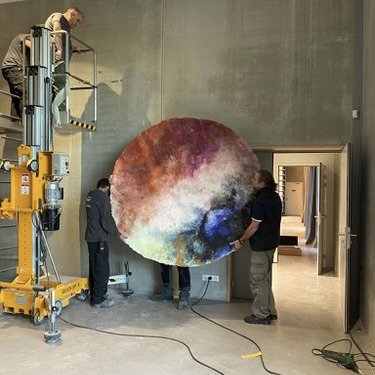
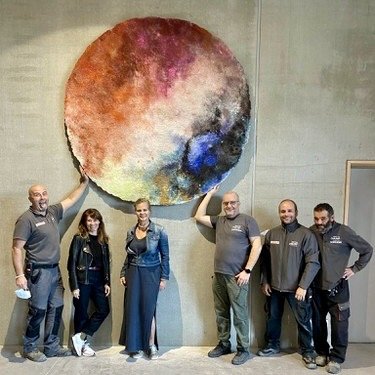
We made Saint Just d’Ardèche, the southern most village of the department, our base camp for the week. Our quirky holiday apartment, in a multi-family accomodation, was owned and operated by the suberbly talented artist Ananay, and was situated in the heart of her vineyard property. Ananay’s sculptural pieces, from pebble to boulder size, reflect the pre-historic caves and gorges that surround her. Her medium is an alchemy of acrylic pigments, clay, marble, resin, glass, gold leaf, sand, jewelry, and sequins. We had the honor of attending the permanent installation of one of her monumental works in the conference area at Grotte Chauvet 2, a nearby UNESCO world heritage site . The piece looks like it was born from the caves below. To see more of Ananay’s work visit https://www.artsper.com/us/contemporary-artists/france/44561/anany
PHOTOS BELOW: 1 - 4 our vineyard haven; 5 installing Ananay’s artwork; 6 the artist, third from the left.
Exploring the Canyon and the Cave
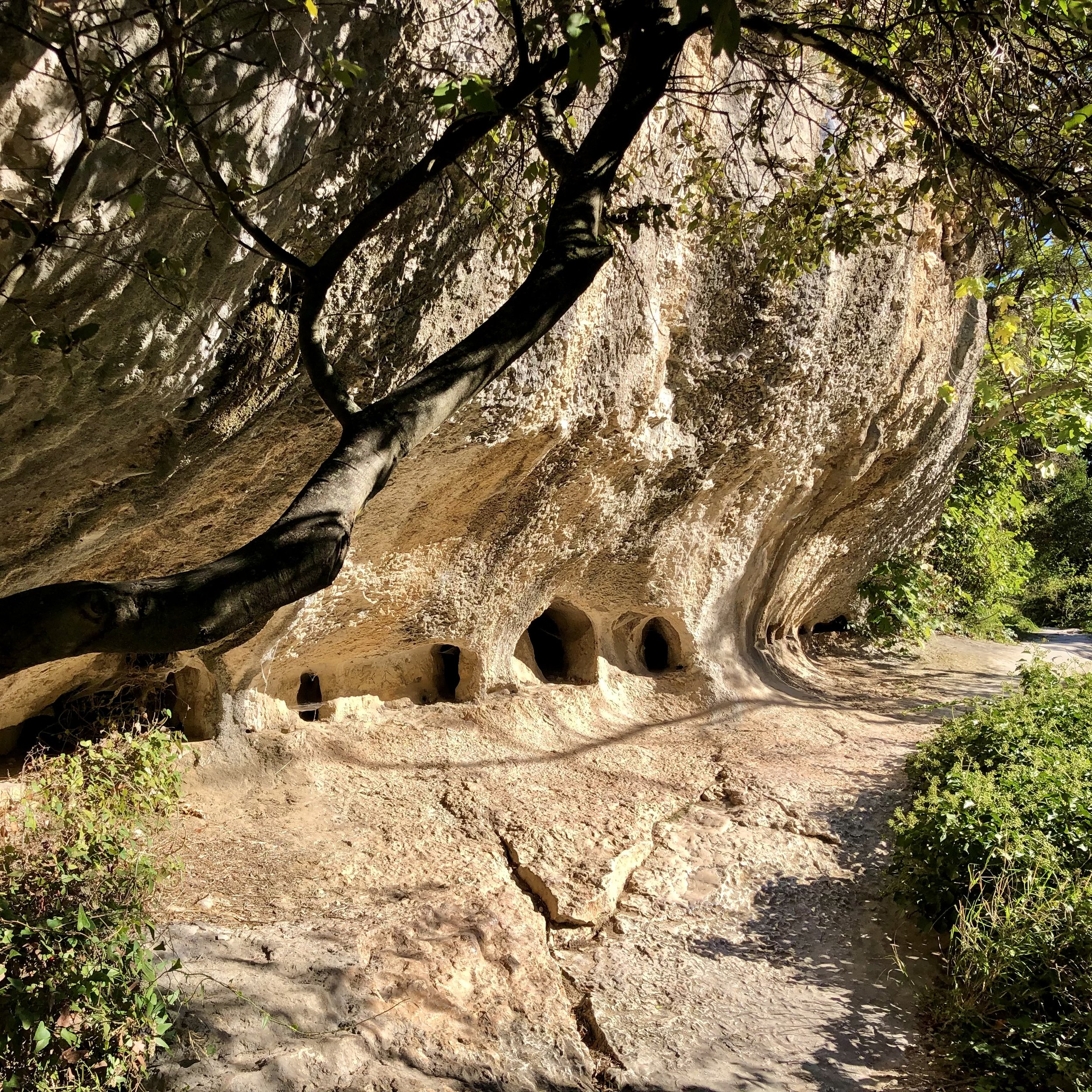
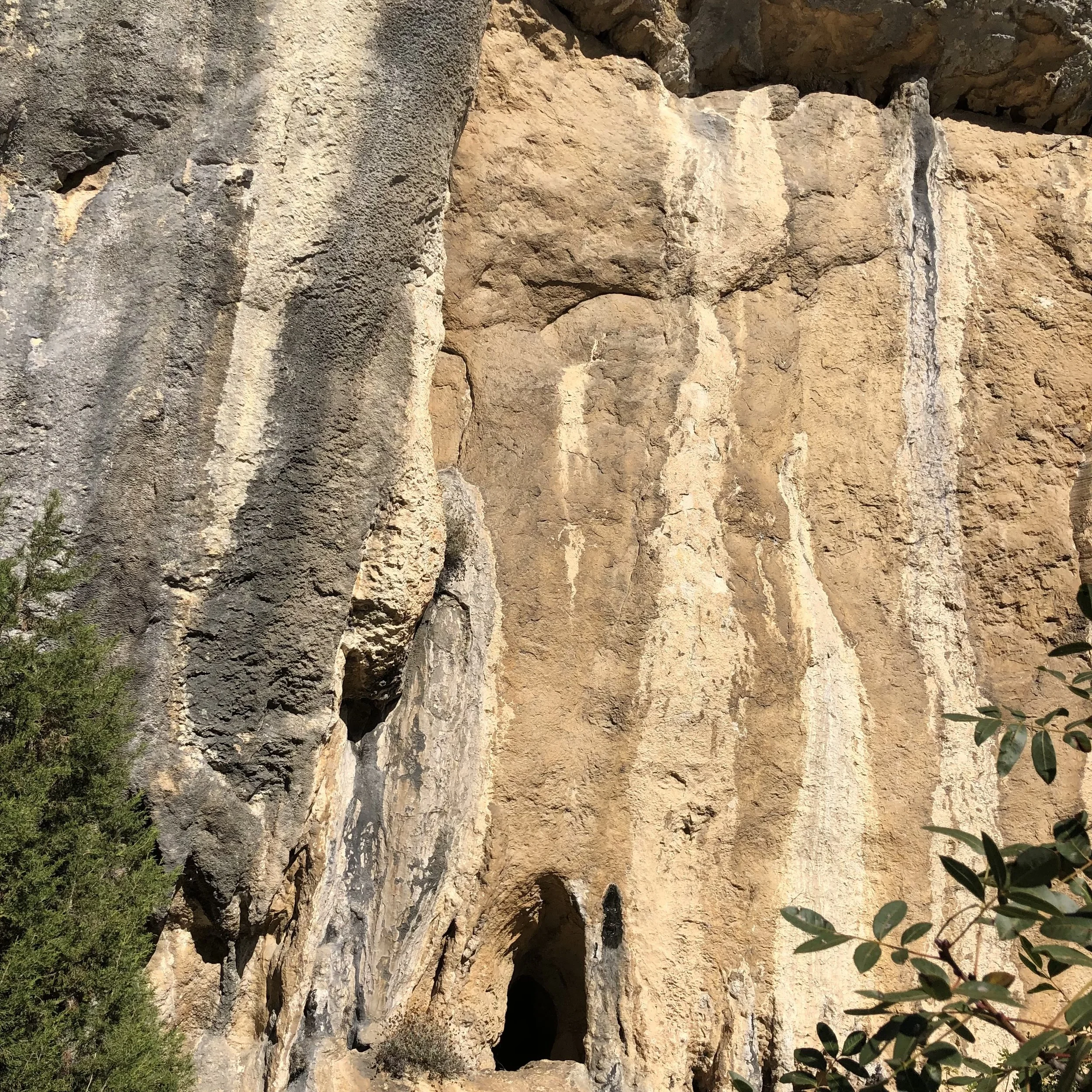
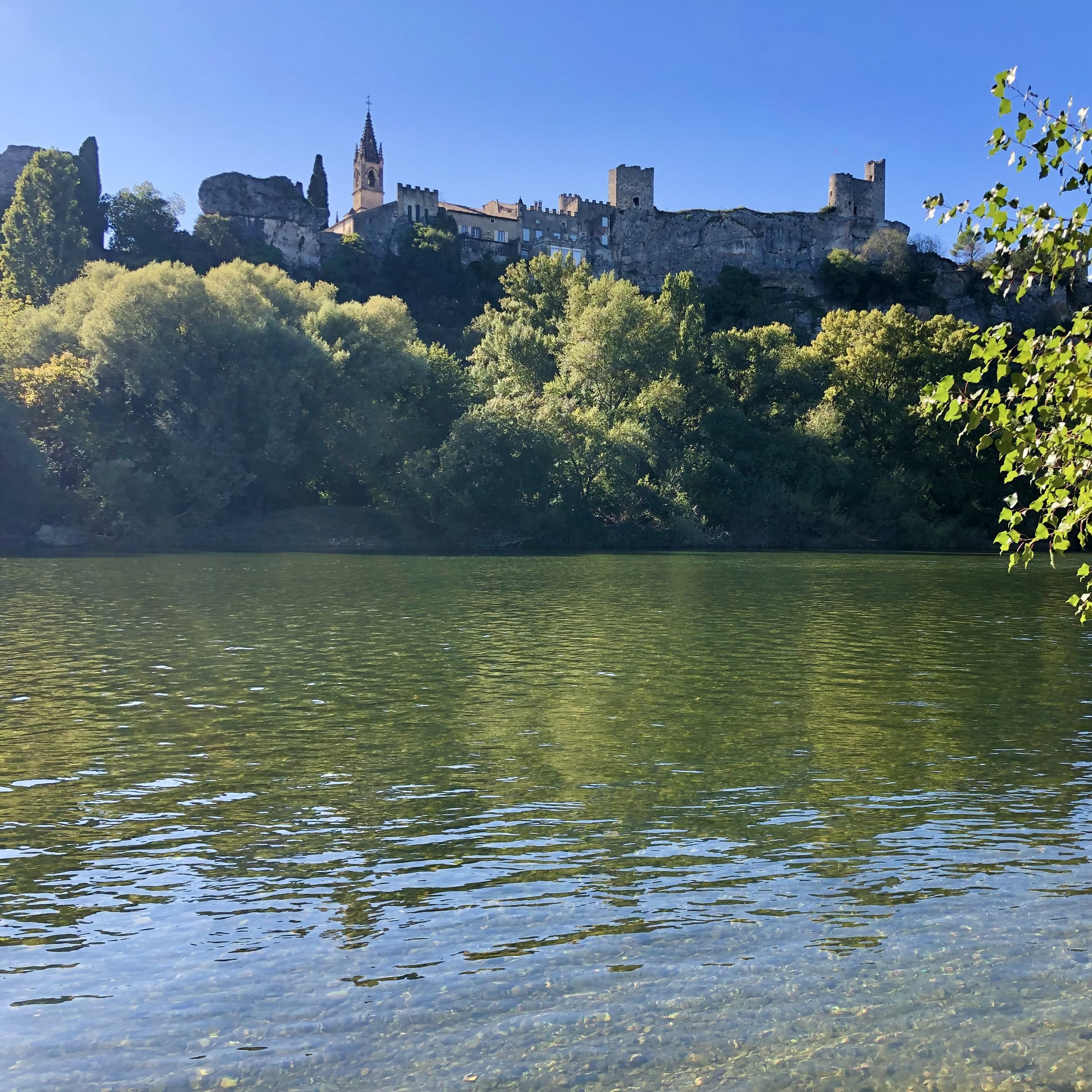
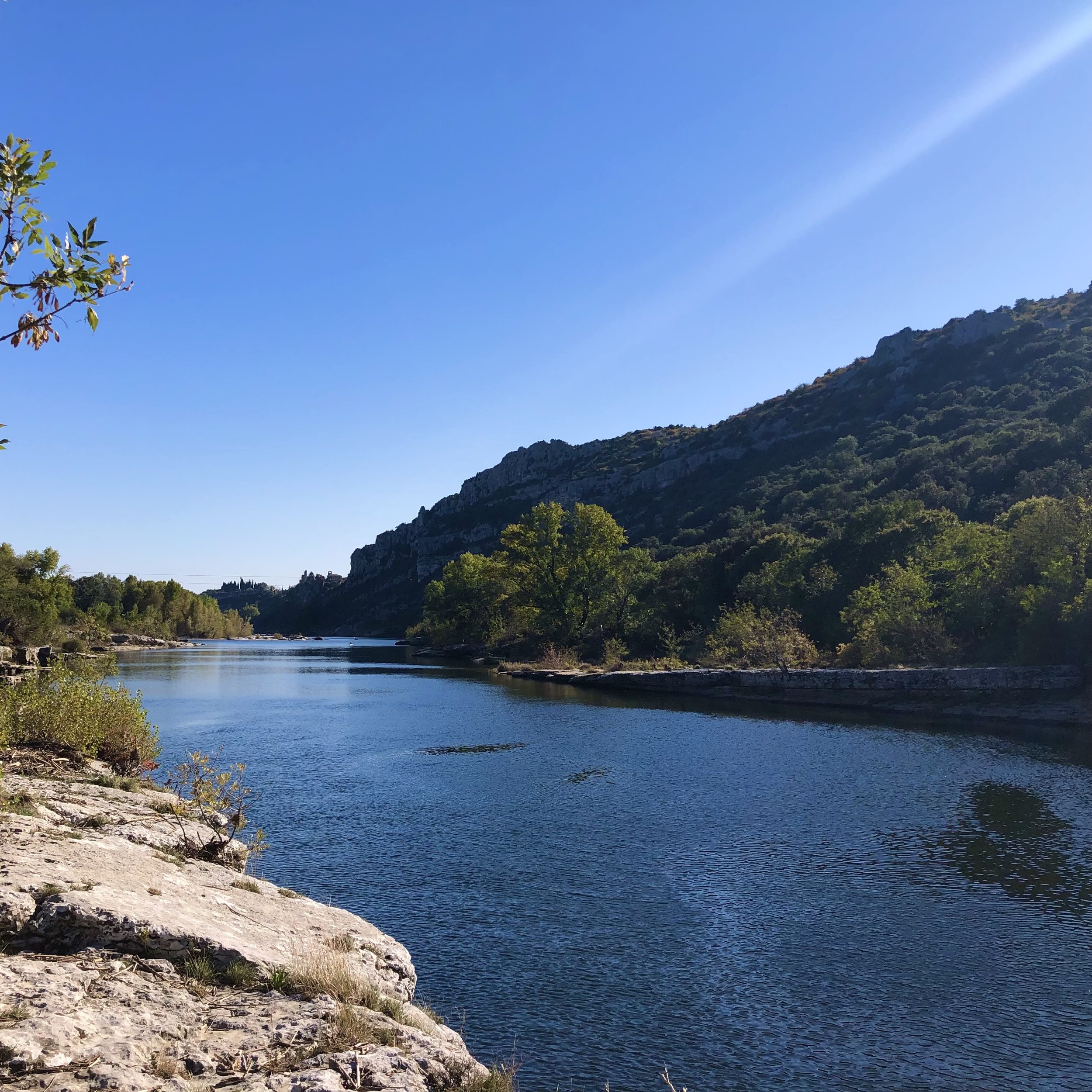
Hiking along the river bed at the base of the canyon reveals a geological evolution that began 125 million years ago when the south of France was submerged in a warm, shallow sea similar to the current Mediterranean. Marine sediments—shells, coral, and limestone fragments— slowly built up over the millennium, creating the Ugonian Limestone Massif. Tetonic shifts that lifted the massif also formed the Alps and the Pyrennees and directed the flow of the sea into a river that carved its way through the landscape. The limestone walls of the current canyon are dotted with dark portals into caves that bear the markers of their marine origins.
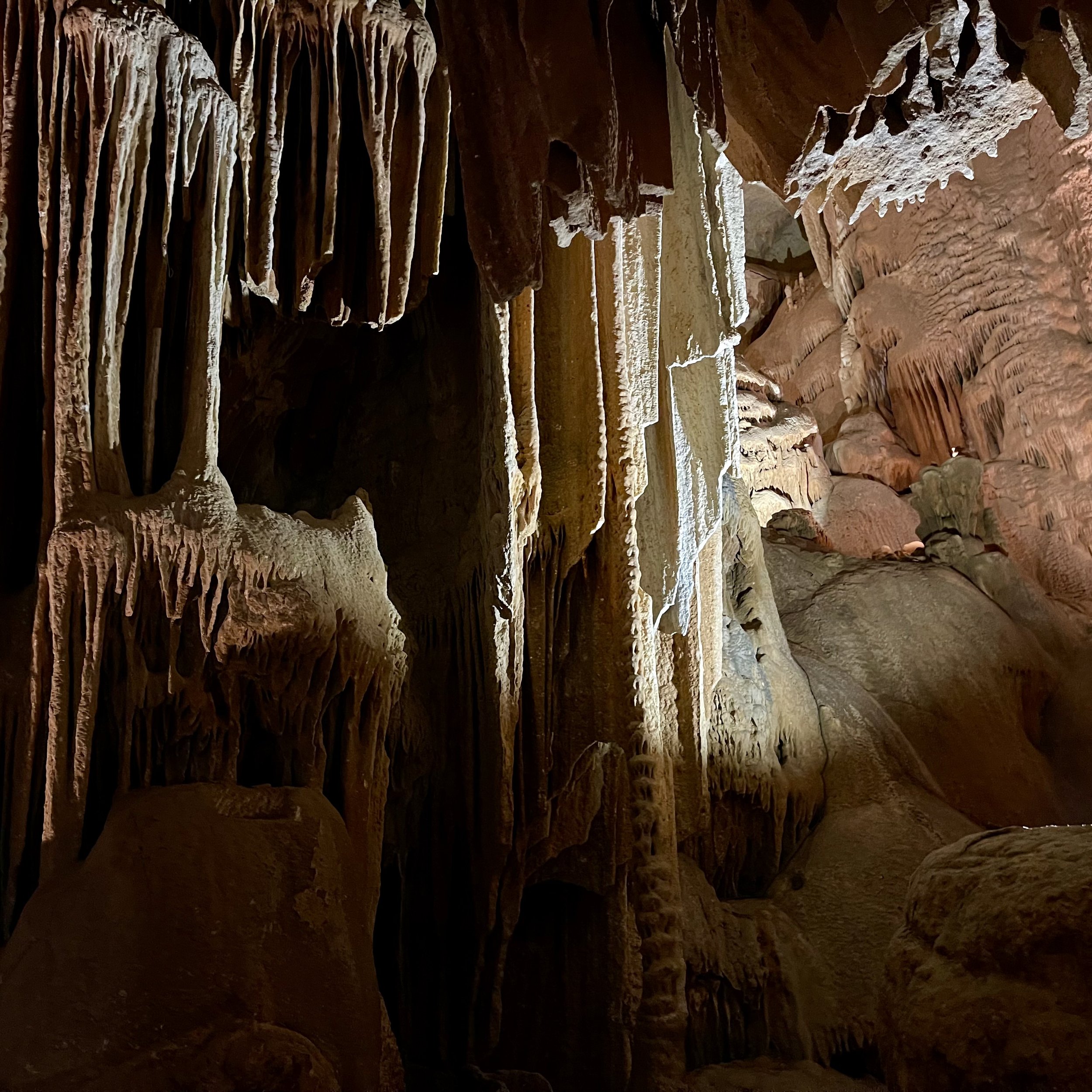
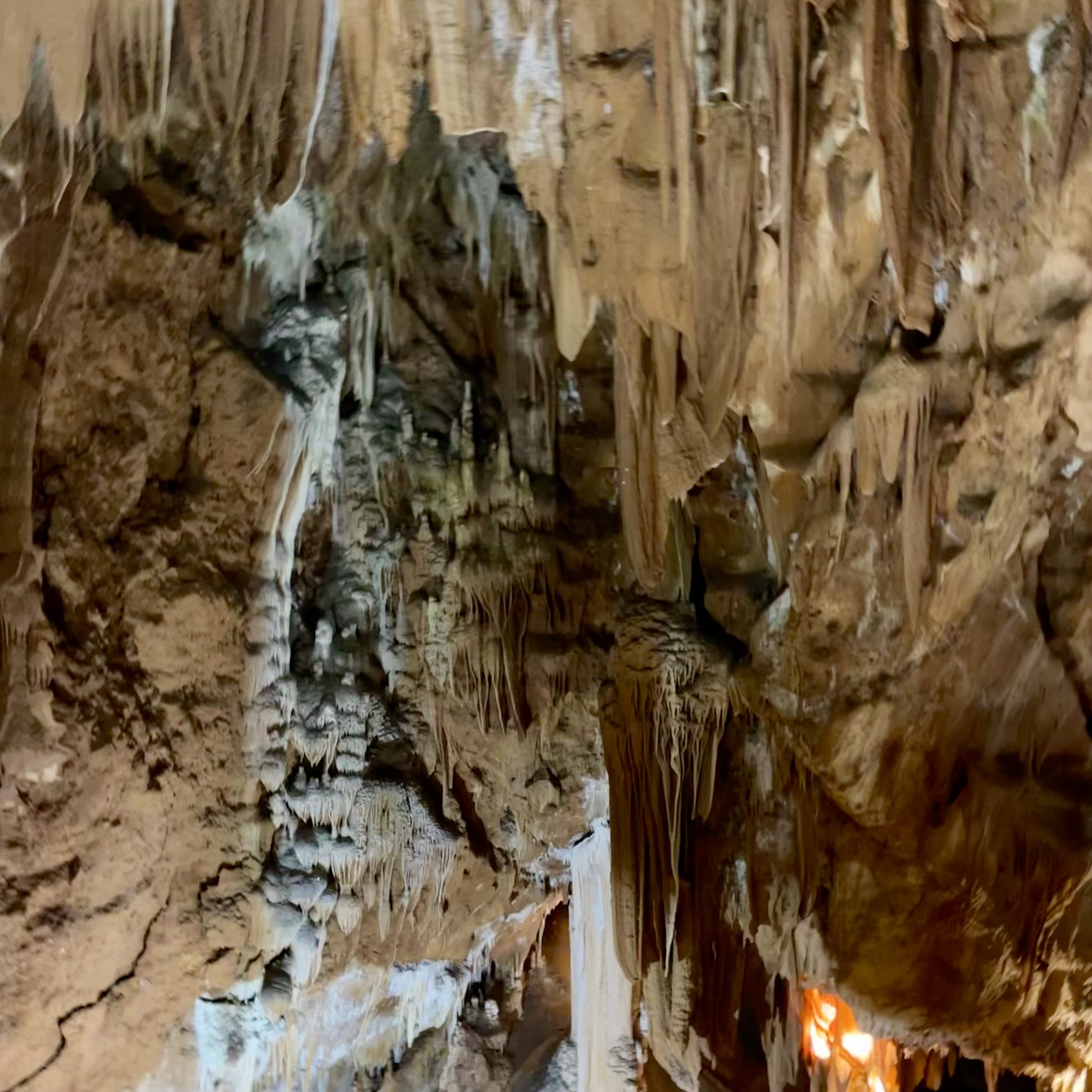
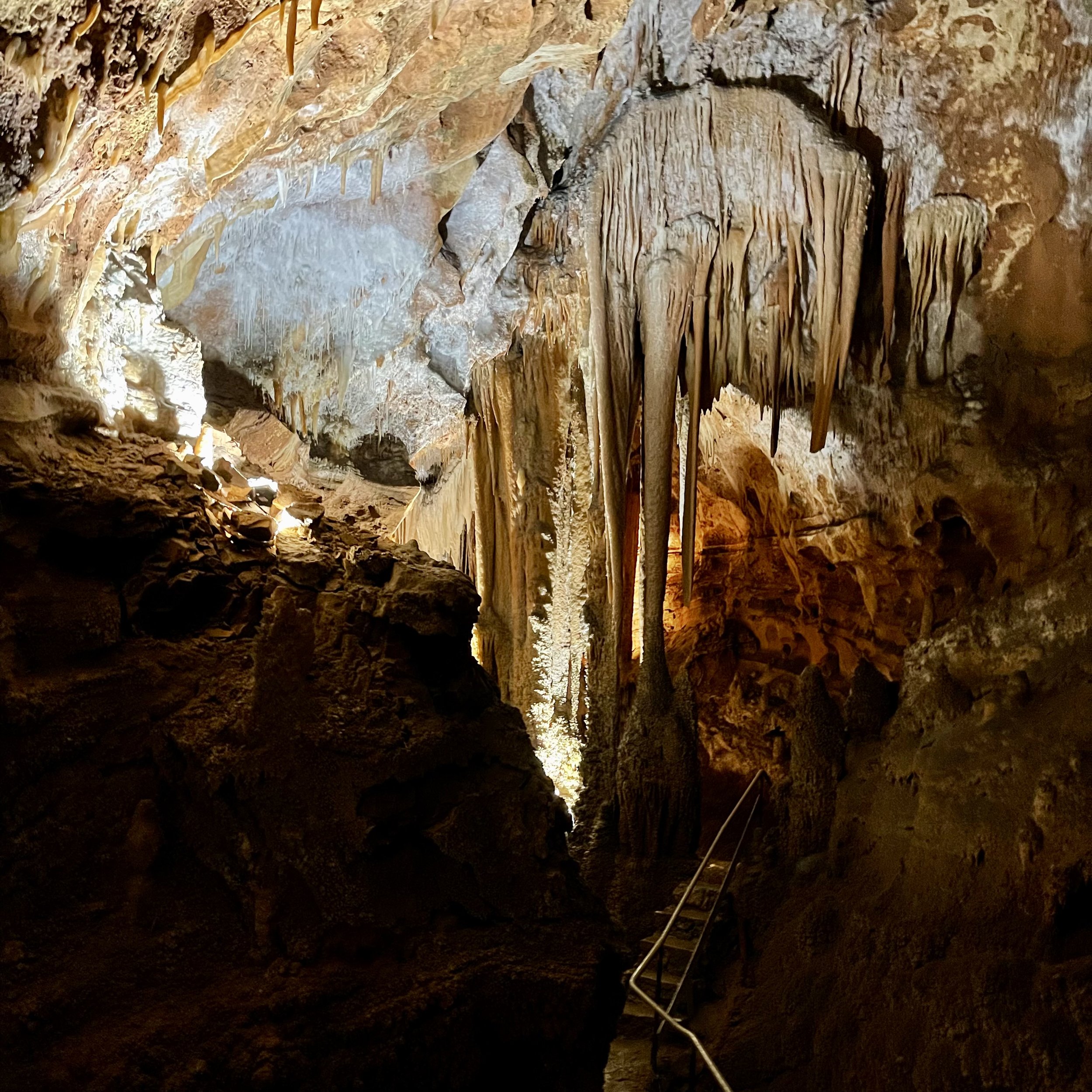
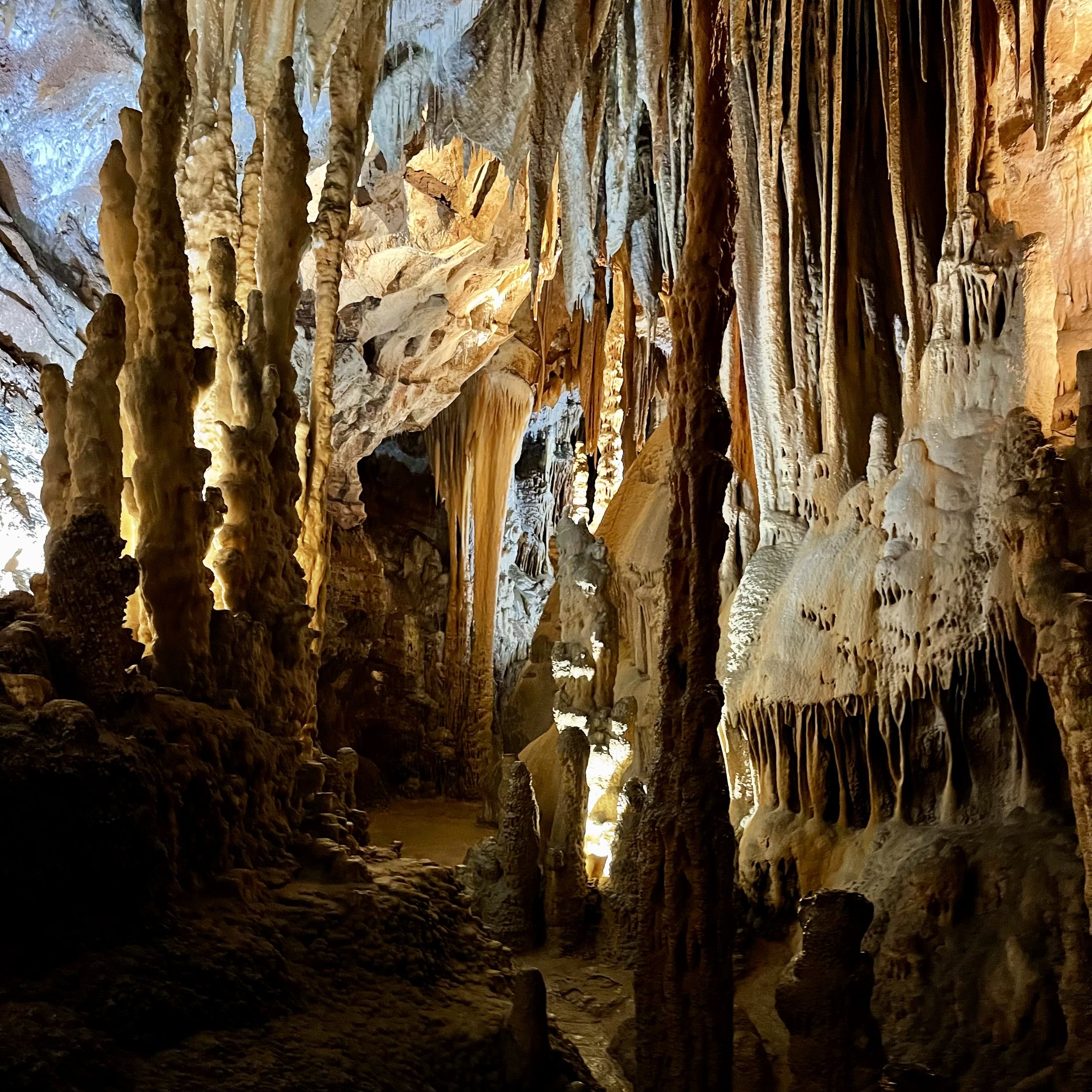
We toured one of the seven largest caves, Grotte de la Madeleine (The Madeleine Cave), in the Ardéche town of Saint Remeze. It was discovered in 1888 by a village shepherd while searching for a lost goat by candlelight. Located in the heart of the canyon, the cave is comprised of two cavities that were artificially connected by a 20 meter tunnel in 1969. The upper cave, that served as a shelter for village families during the retreat of German troops in 1944, was once home to Neolithic dwellers—evidenced by the pottery shards they left behind. Though the cave was mined for phosphates at the end of the 19th Century, it is now a protected, geological sight valued for its unusual rock draperies and colors from borwn, red, ochre, to bright white. We happened to arrive on the last day of the visitor season, and had the rare opportunity of a private tour guided by the scientific director of the site, whose knowledge, enthusiasm, and English language skills were extraordinary.
PHOTOS BELOW: 1 - 4 Hiking along the river canyon; 5 - 8 Grotte de la Madeleine.