Southwest Seaside Beauties
Biarritz
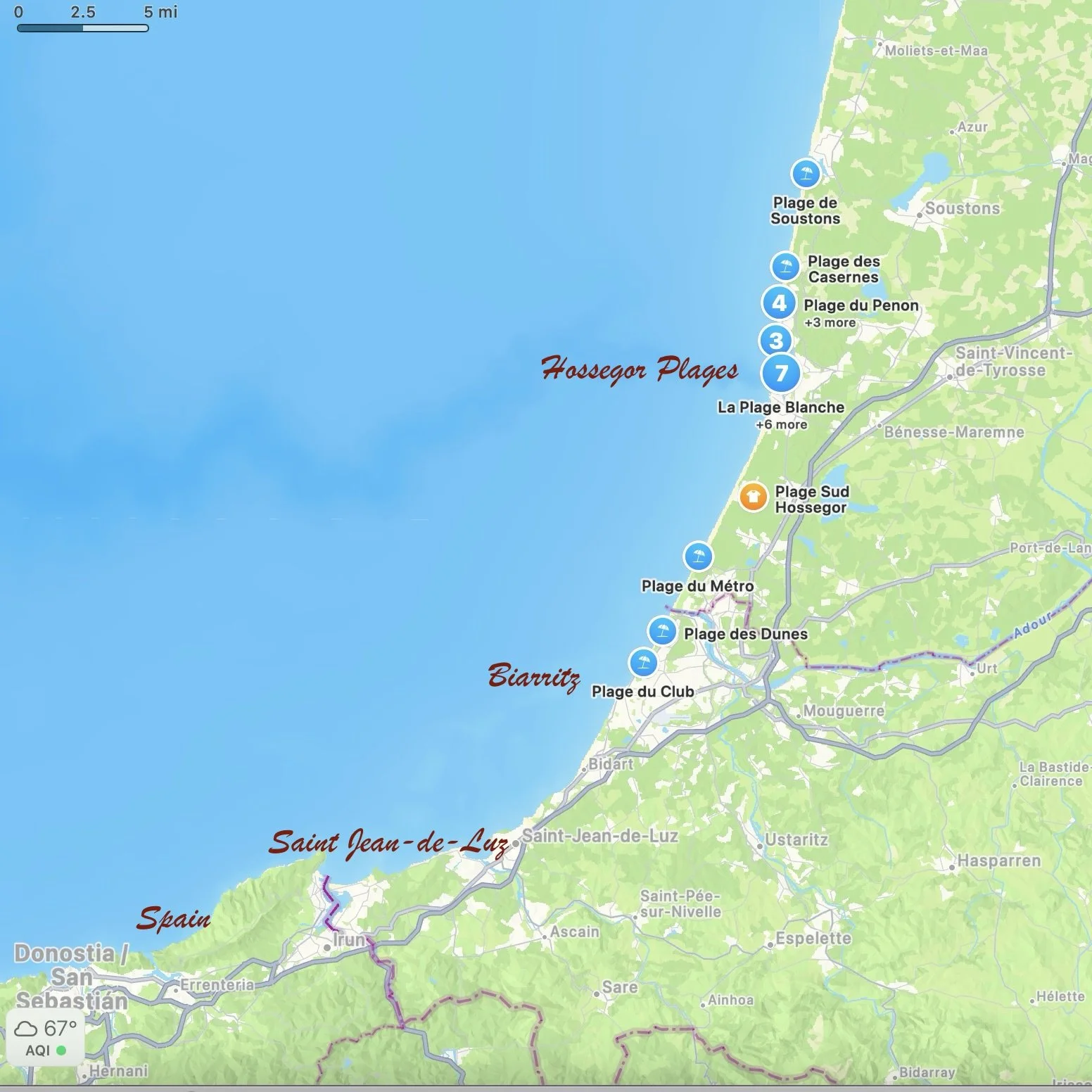
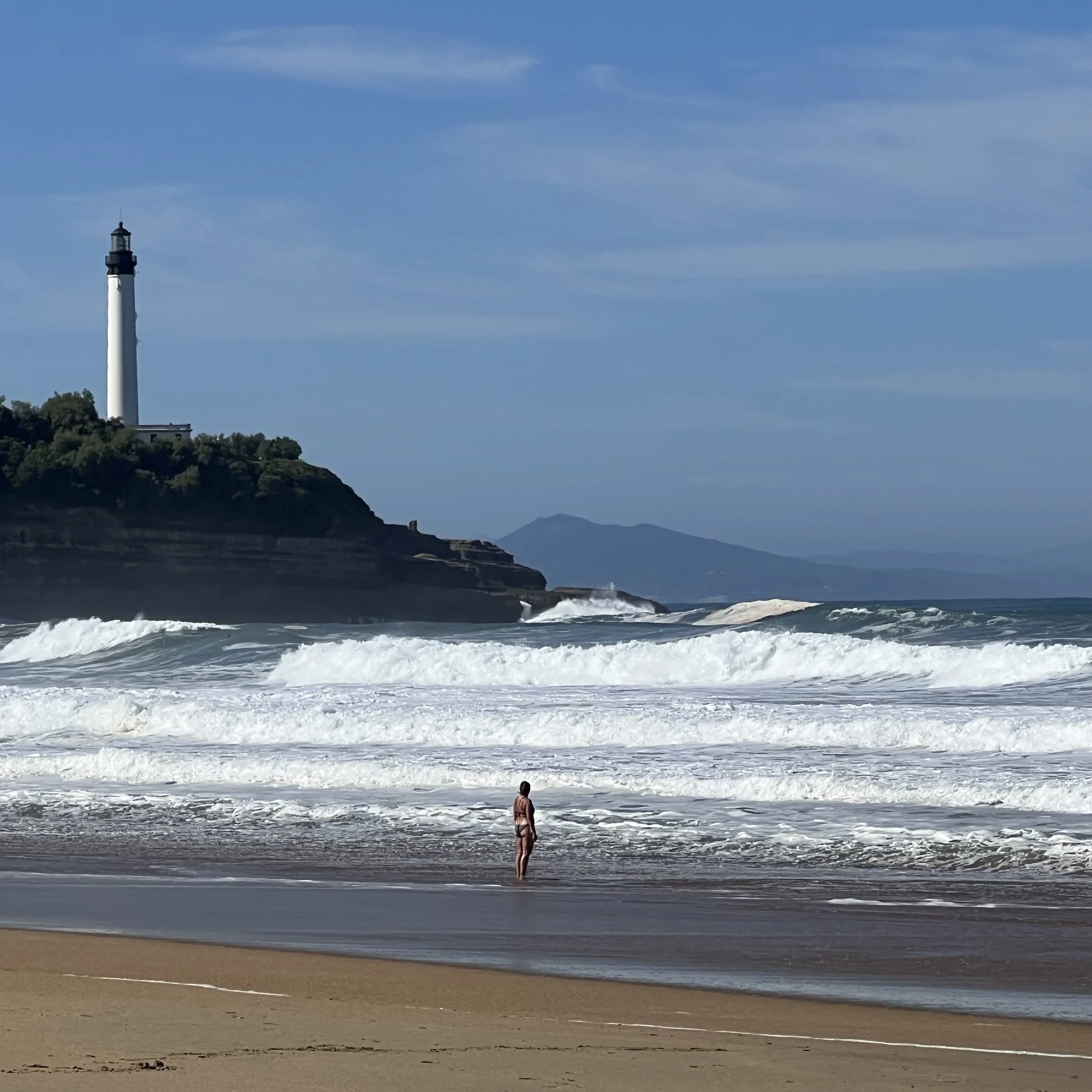
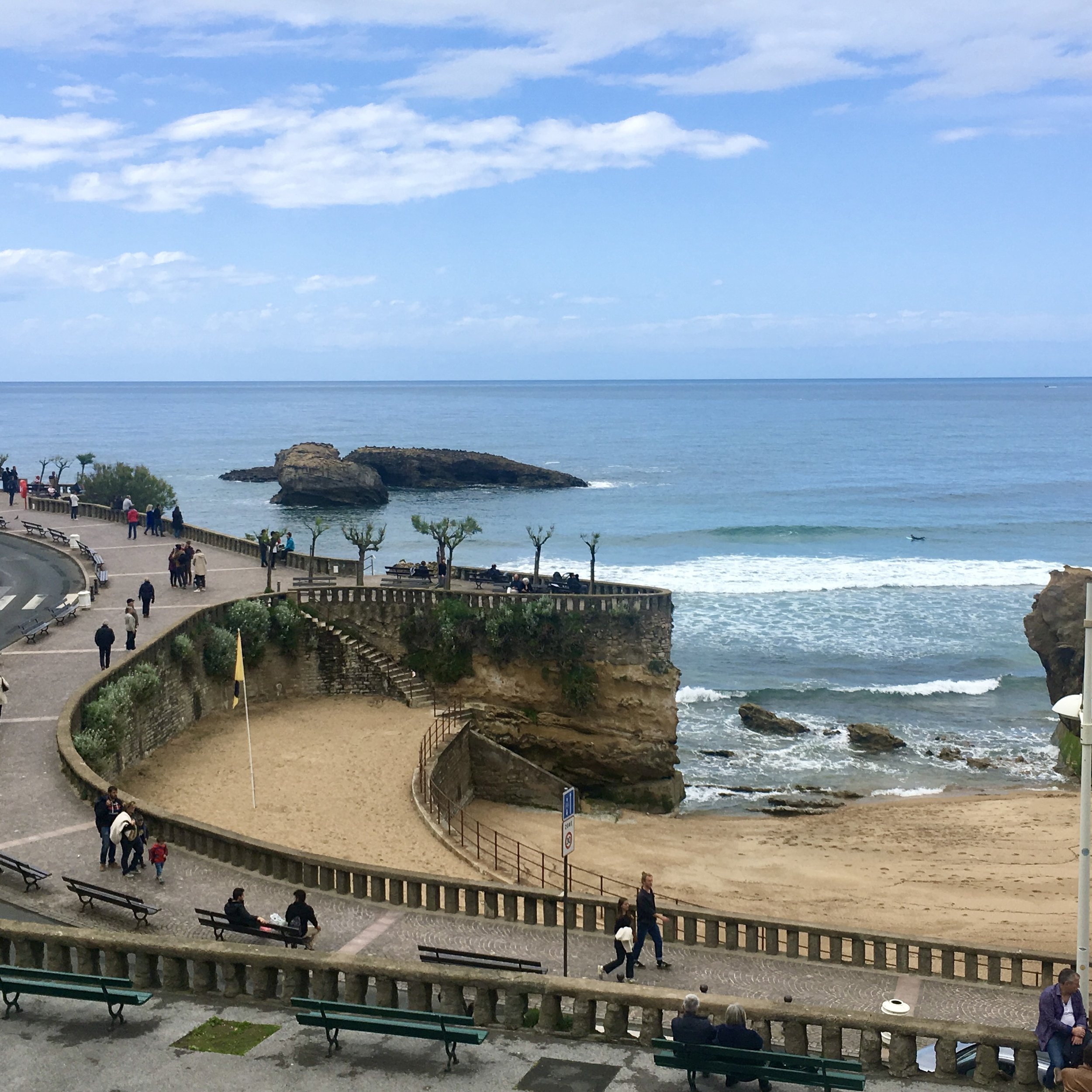
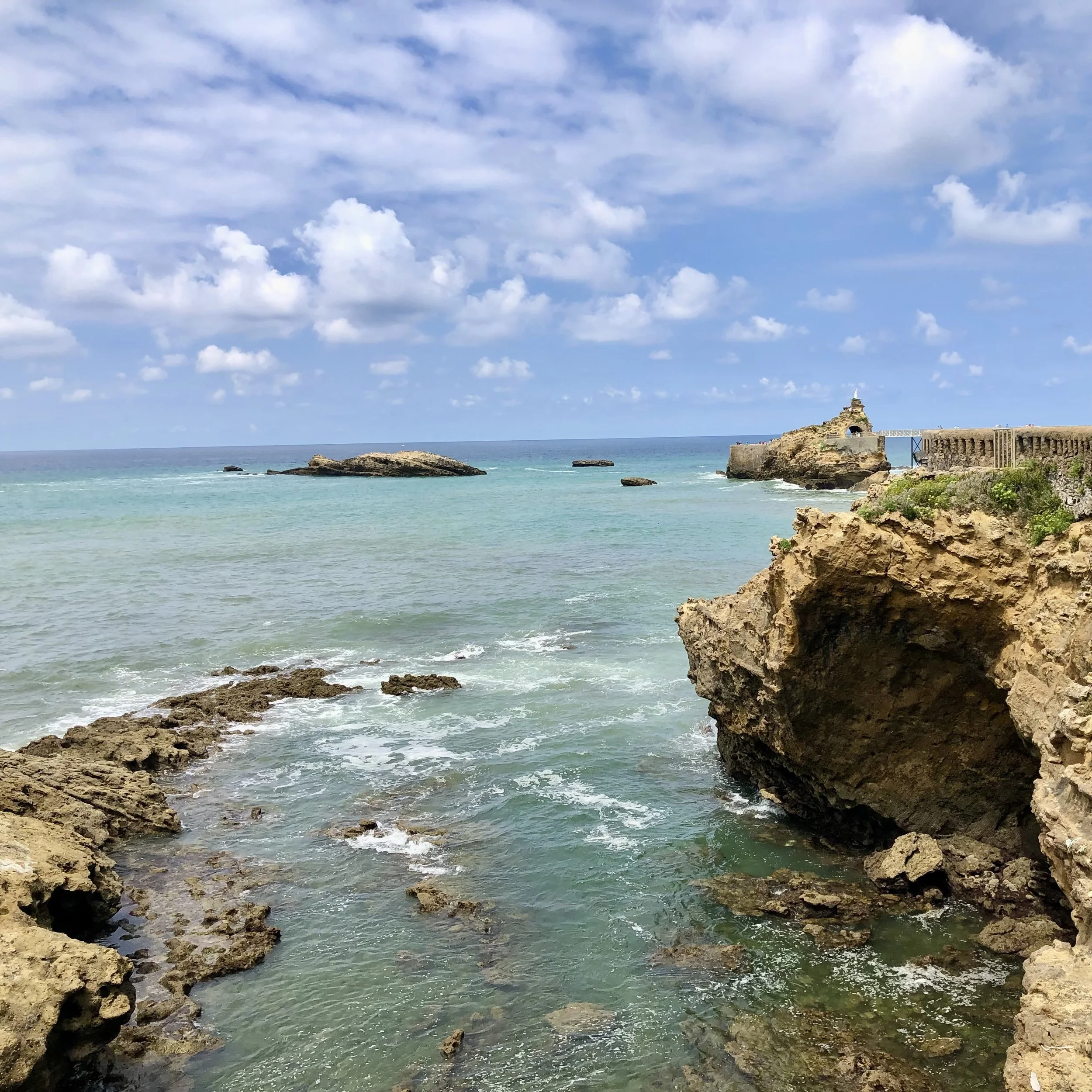
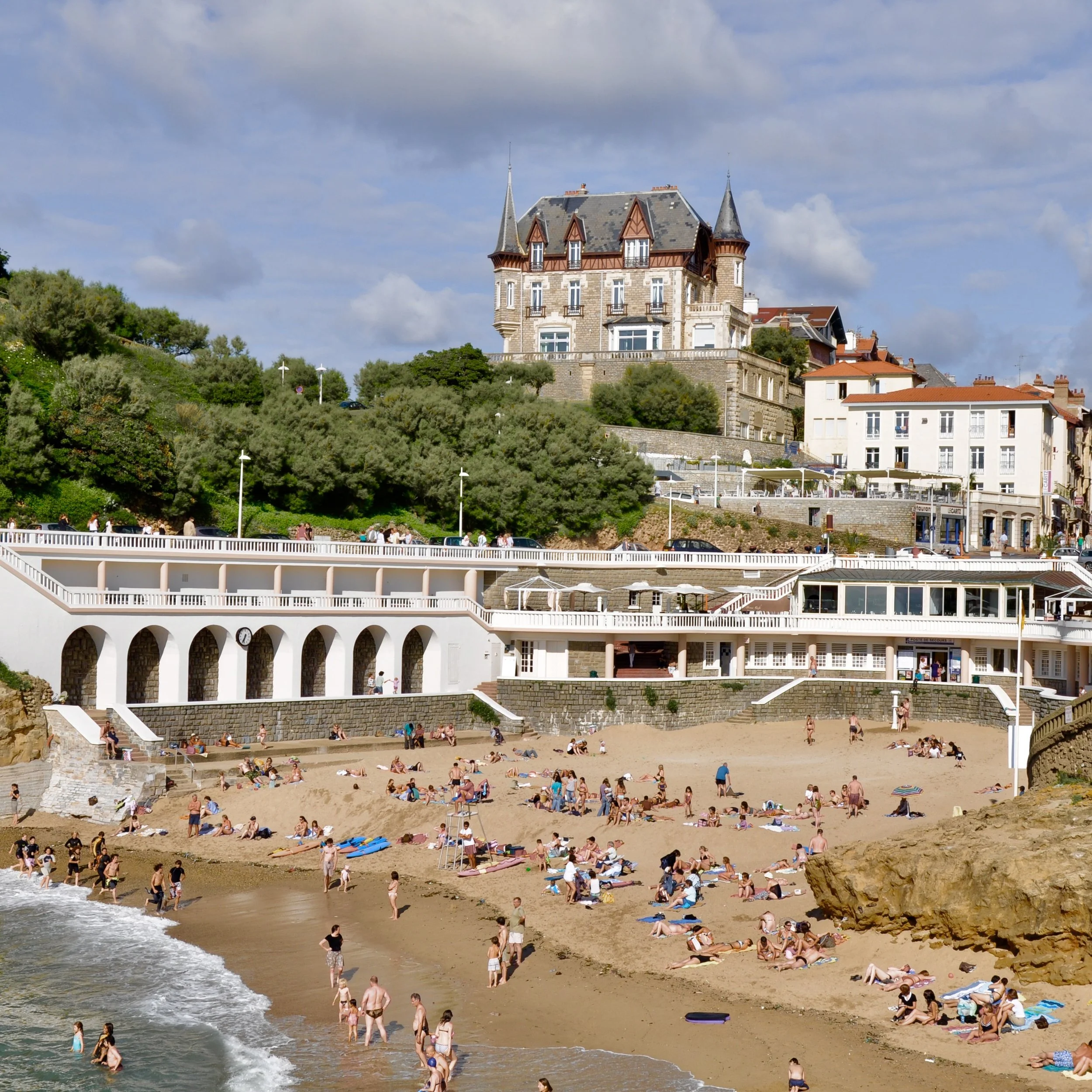
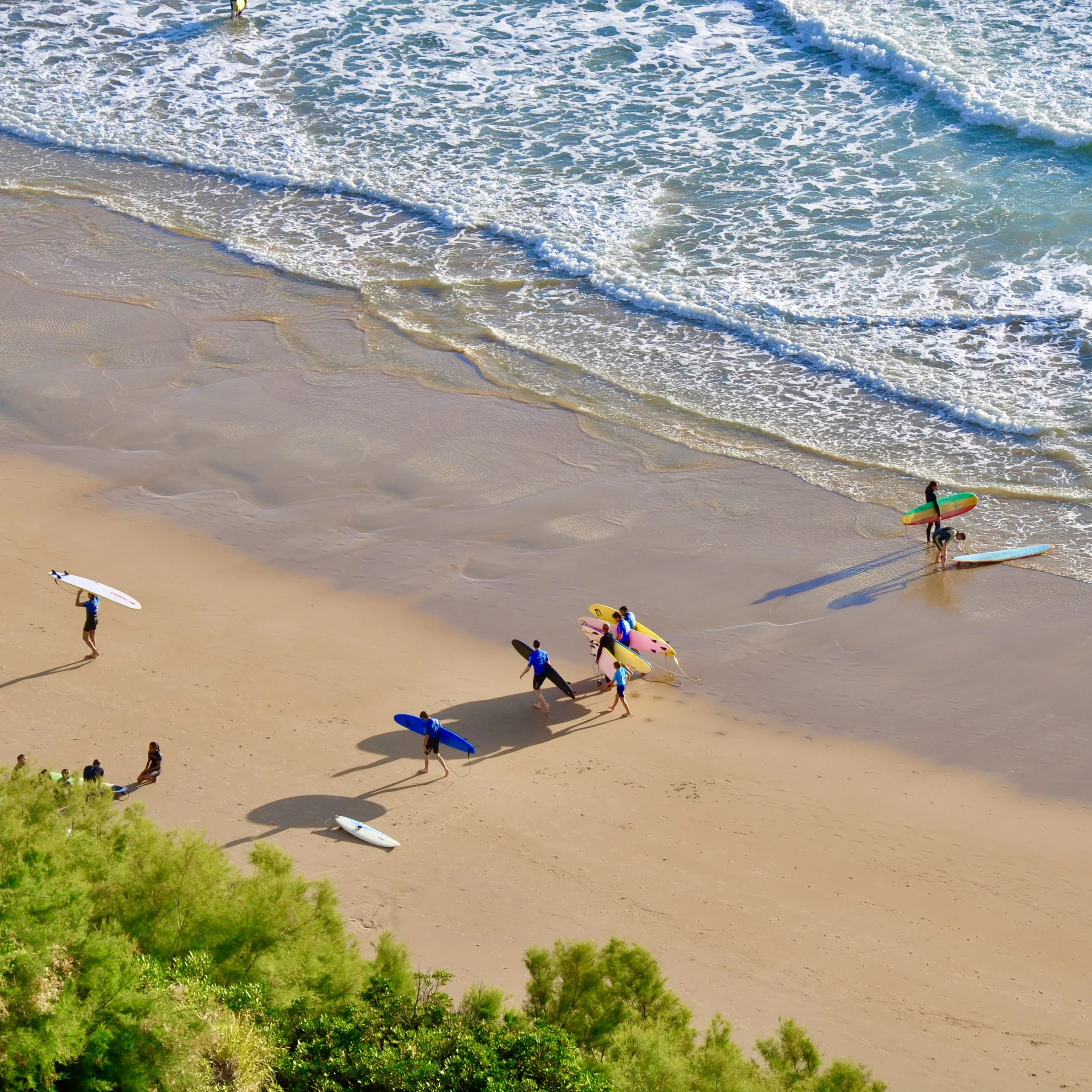
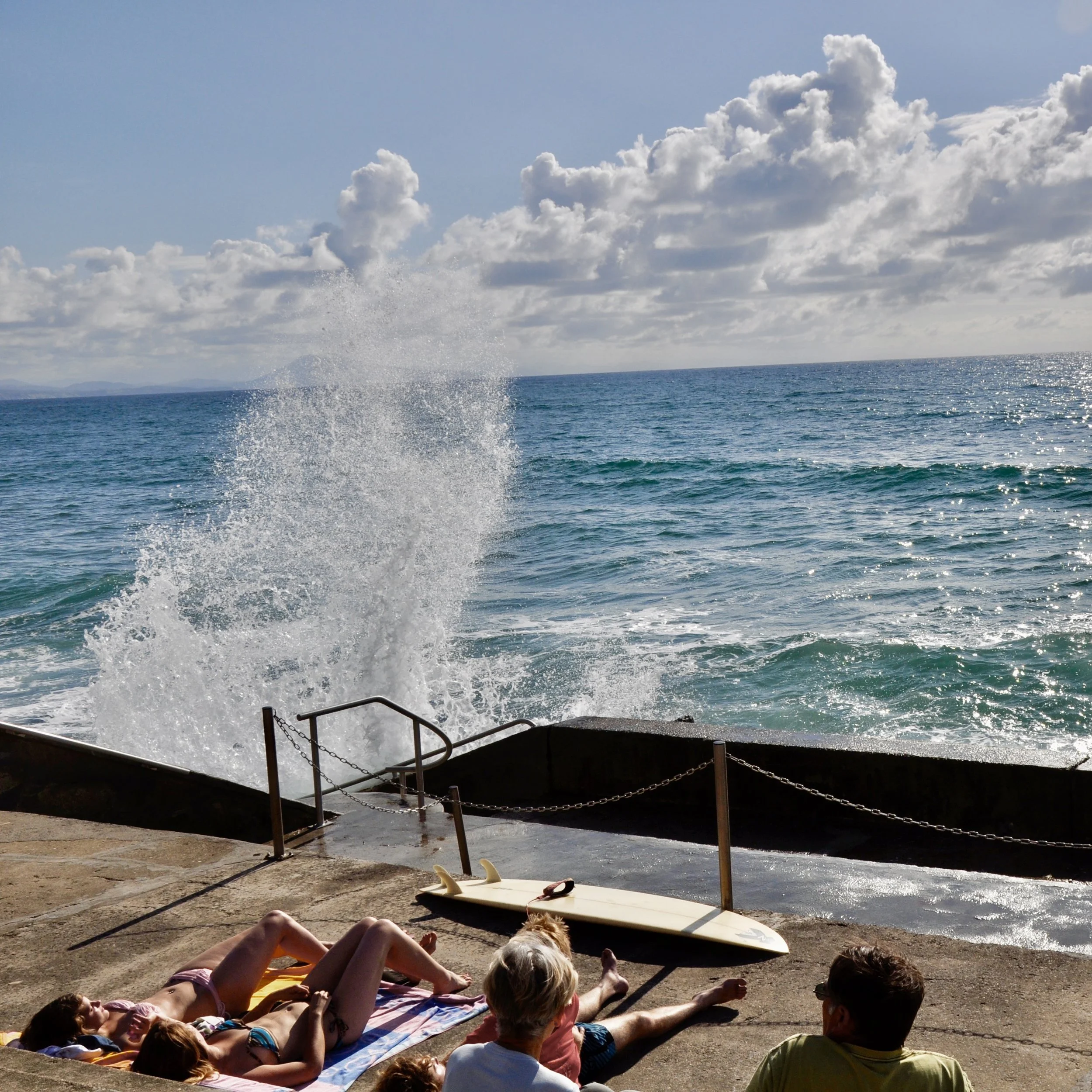
Over twenty years ago, this was our first beach vacation spot on the European side of the Atlantic. Packed with high-end boutiques and restaurants—Biarritz sits on a rocky coast carved into magnificent sculptures by the sea. It’s guarded by a quintessential lighthouse and boasts unusually elegant architecture for a seaside location. Its natural beauty has lured many before us, including writers Victor Hugo and Ernest Hemmingway. Napoleon III and his bride, Empress Eugenia, chose the medieval whaling village for their honeymoon in 1853. The following year, the Empress, who had loved the Basque coast since childhood, persuaded Napoleon to build a summer palace, bringing a steady stream of royal visitors to Biarritz until the end of his reign in 1870. A century later, an adaptation of Hemmingway’s novel “The Sun Also Rises,” filmed in Biarritz, gave birth to its modern reputation as an international surfing destination. The movie’s screenwriter, a Californian, was the first to attempt surfing here where the high tide completely immerses the shore and crashes into a fortified promenade and steep rocky cliffs. Despite the skill and caution required to navigate the tricky conditions, the number of “surfer dudes,” the prevalence of English-speaking vacationers, and overall California vibe can leave you wondering if you’re in France or Malibu.
Arcachon
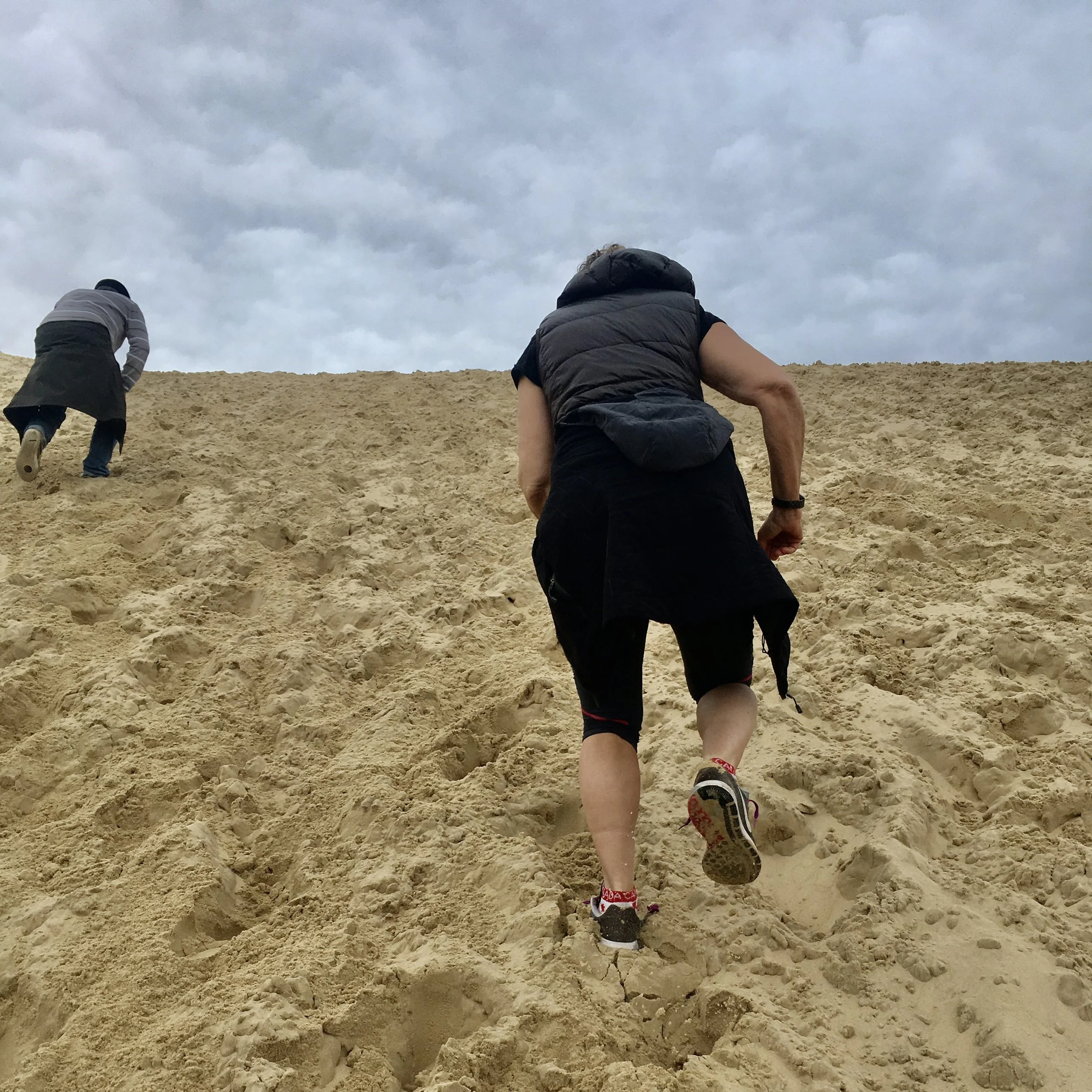
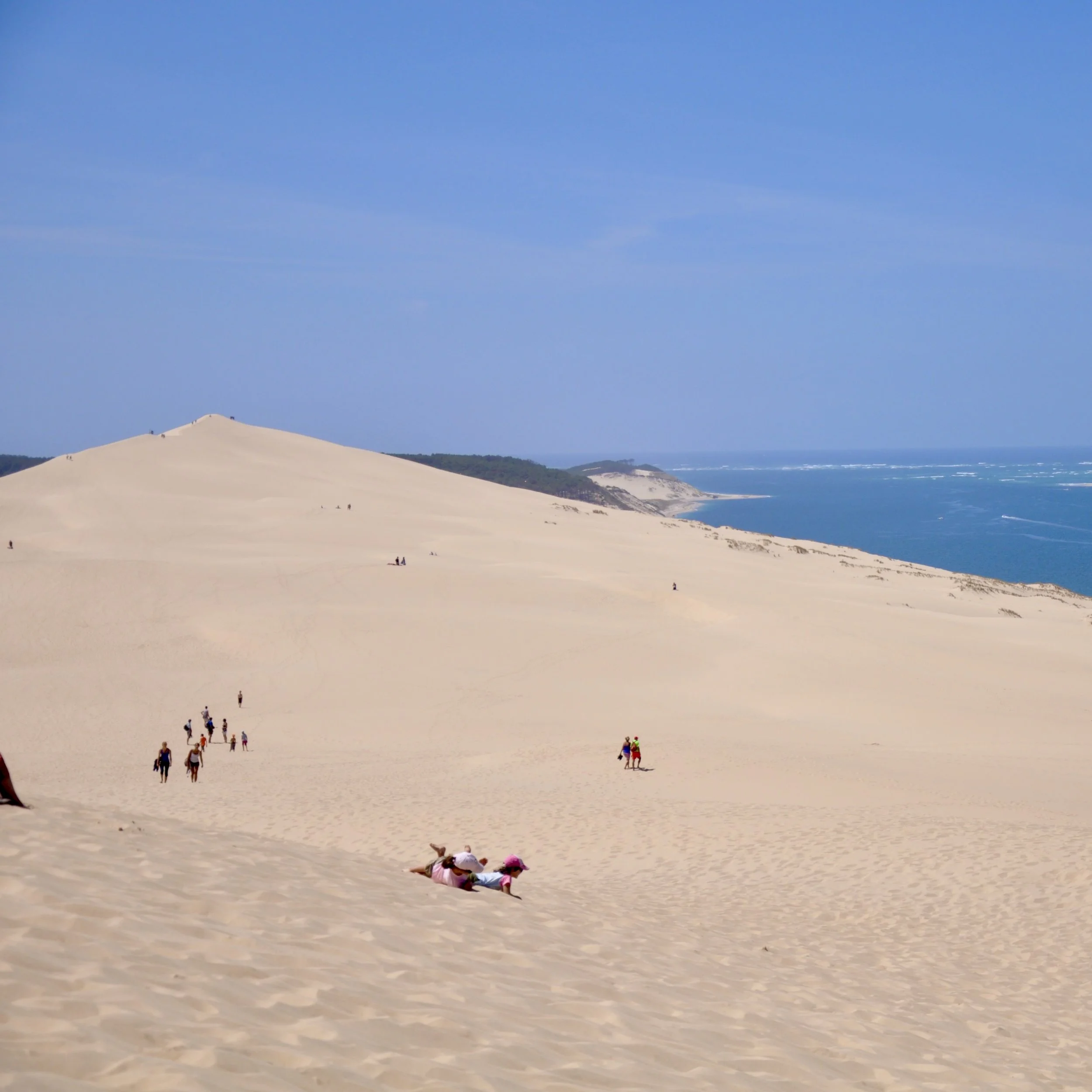
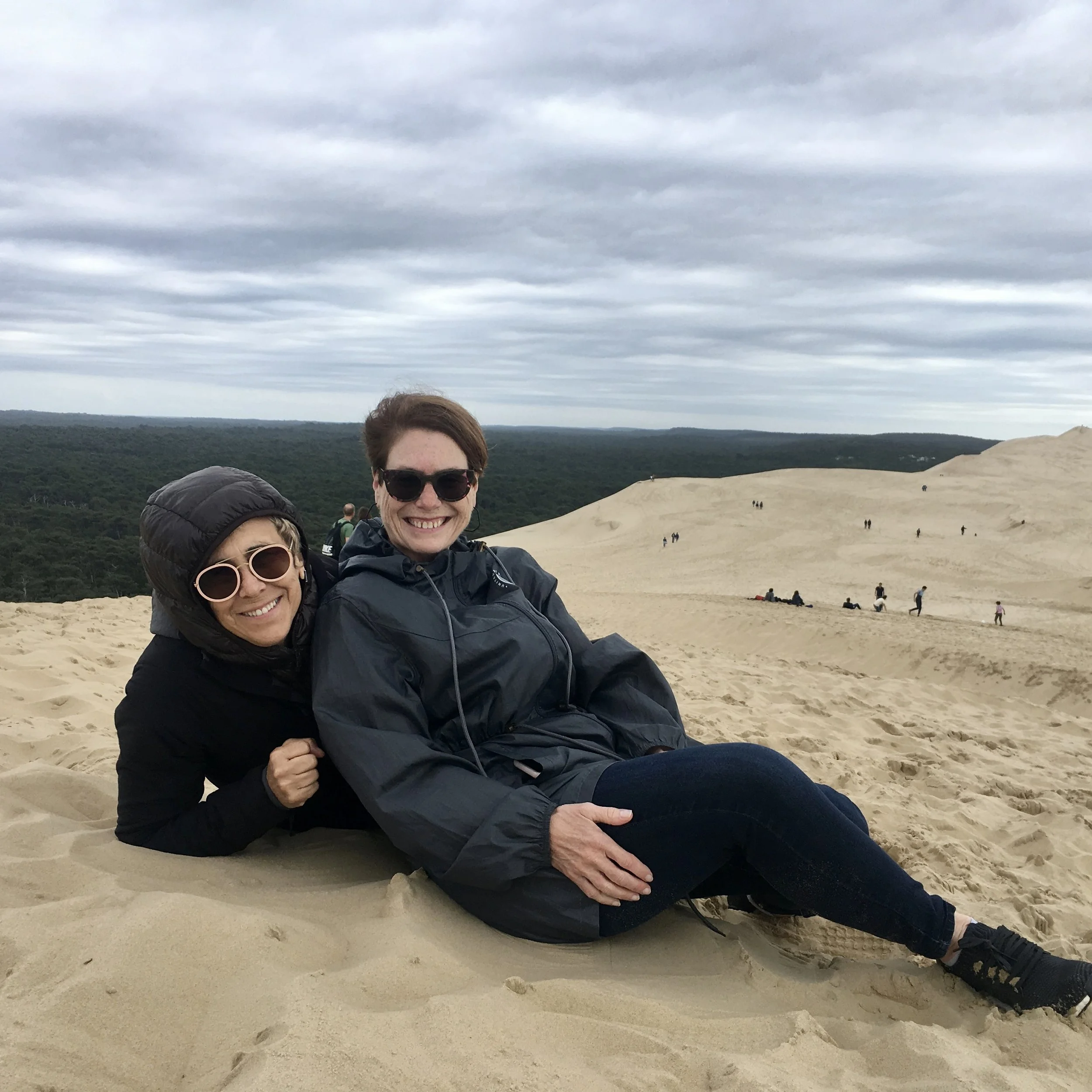
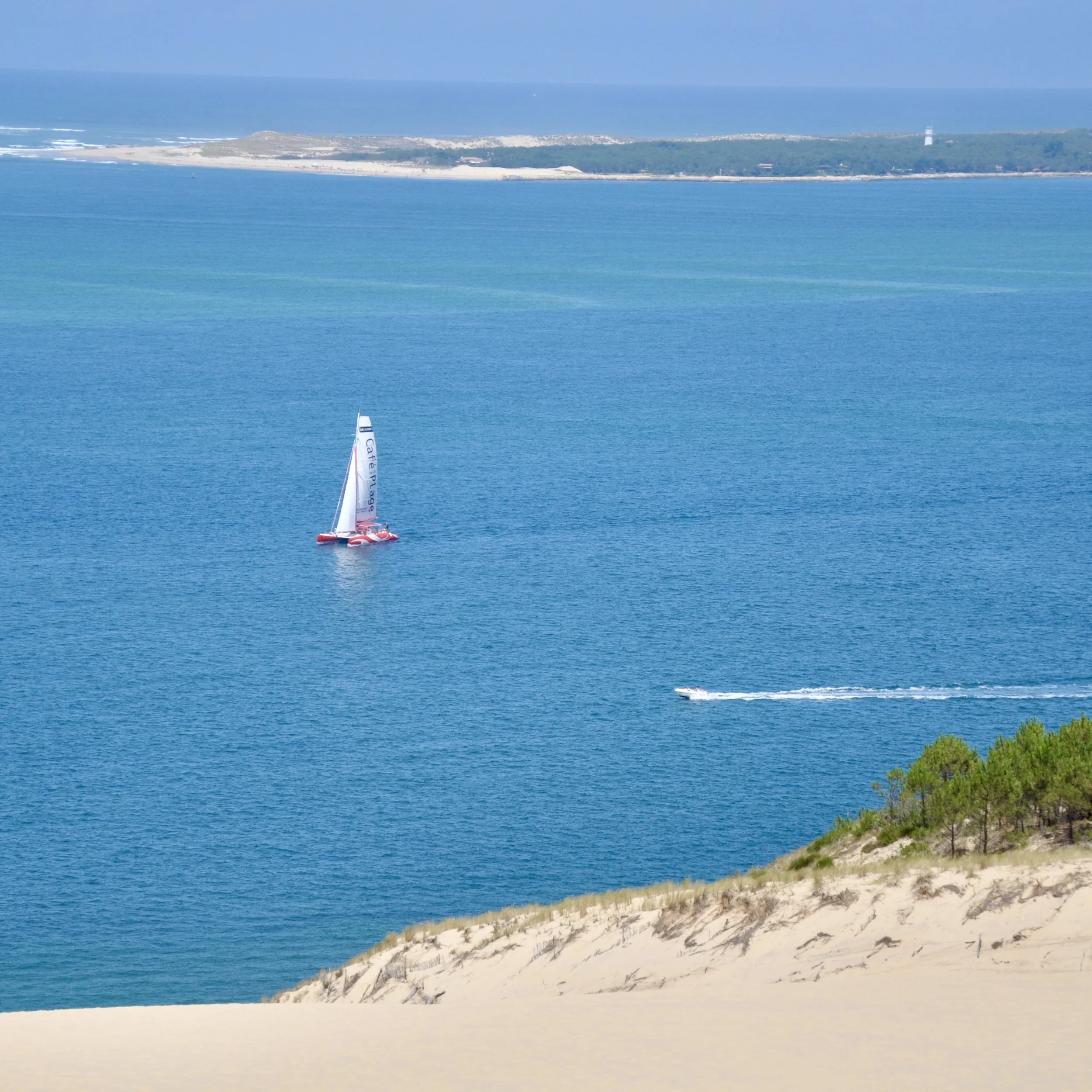
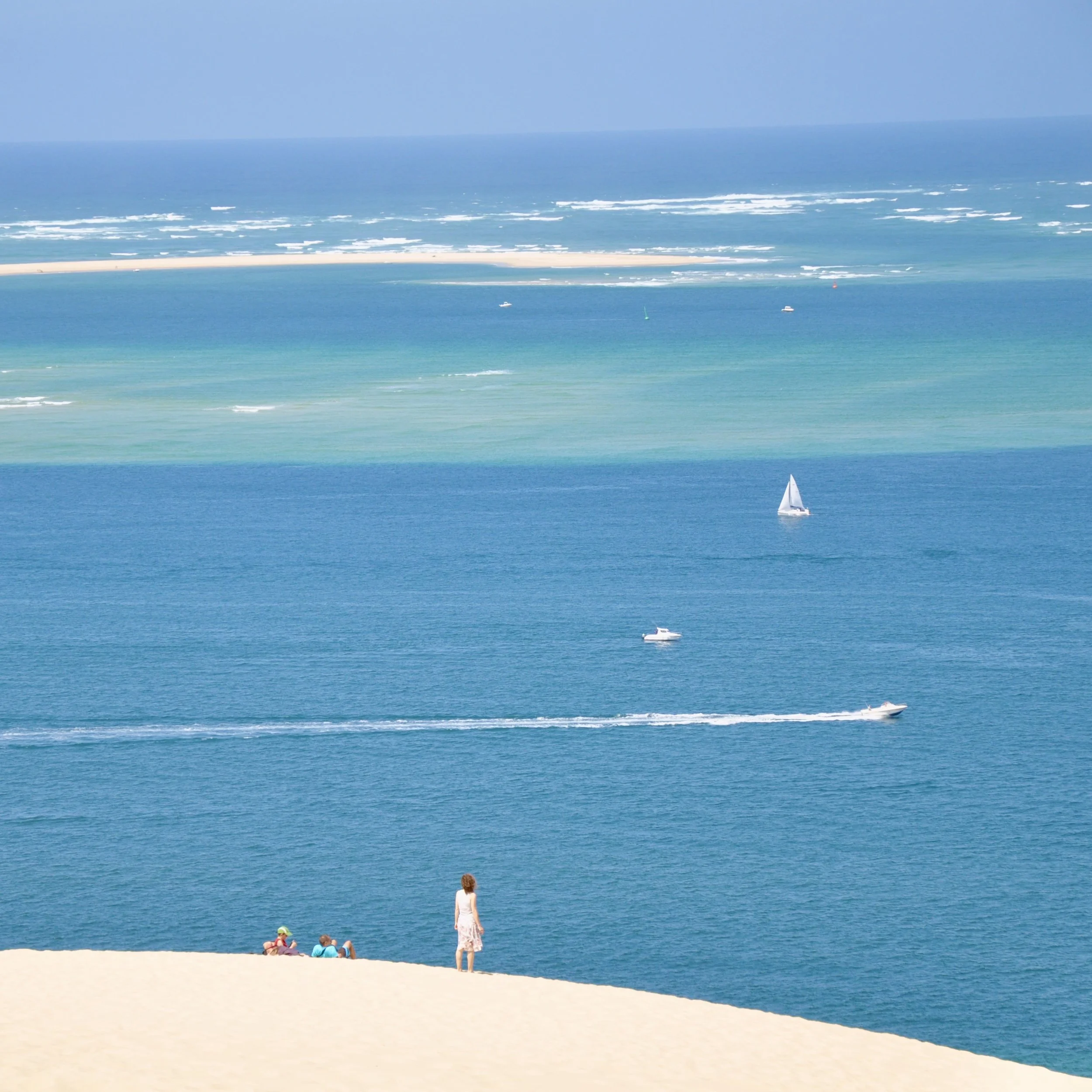
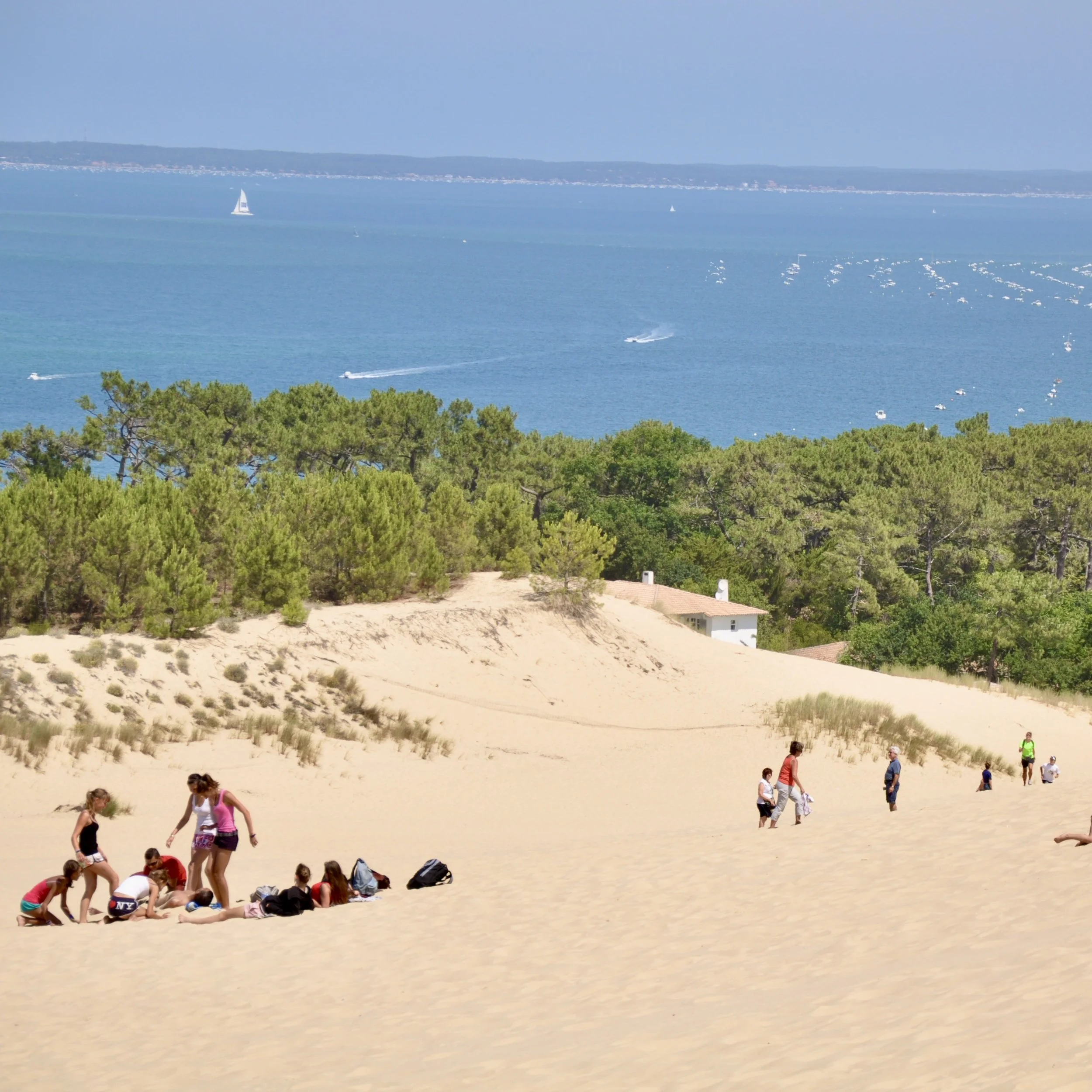
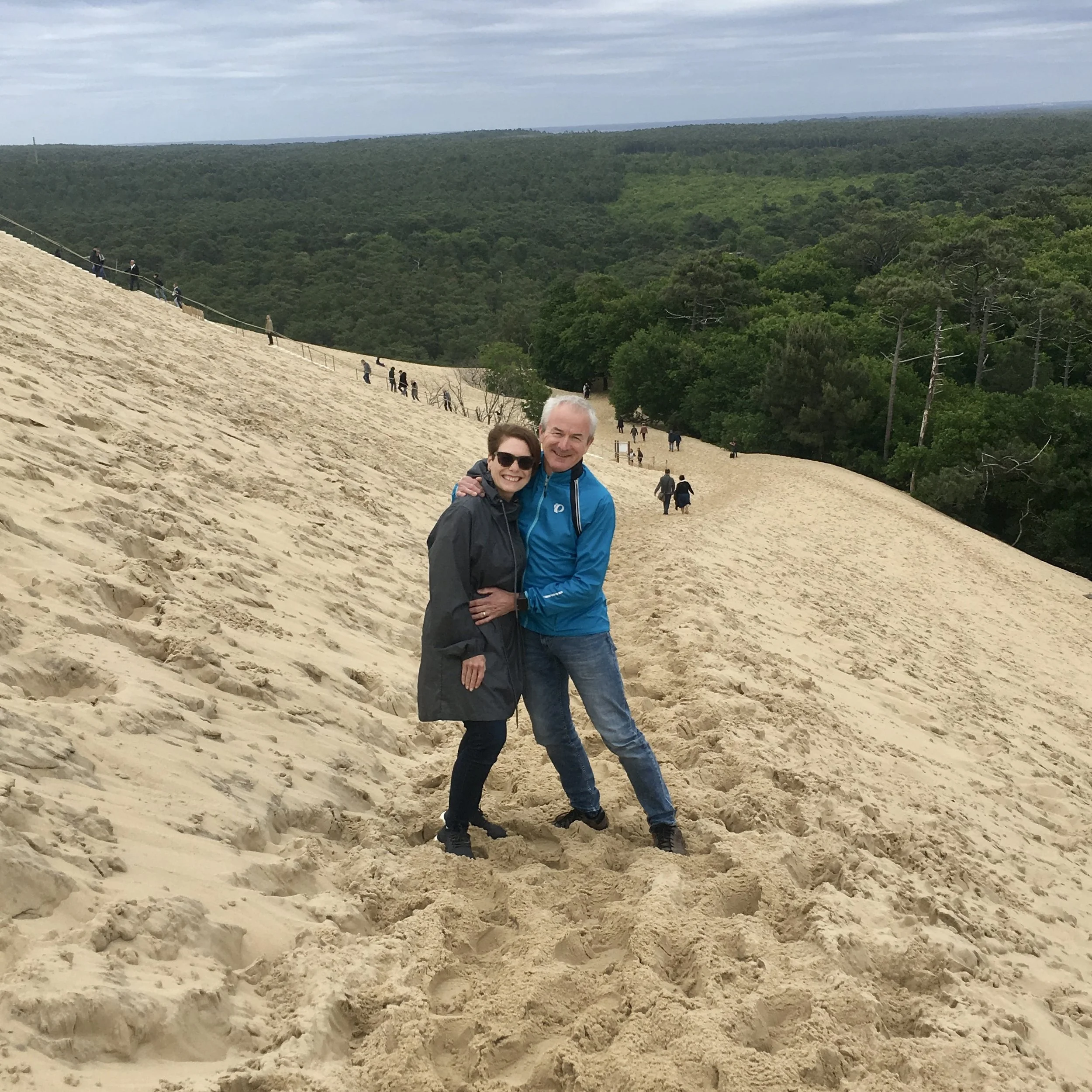
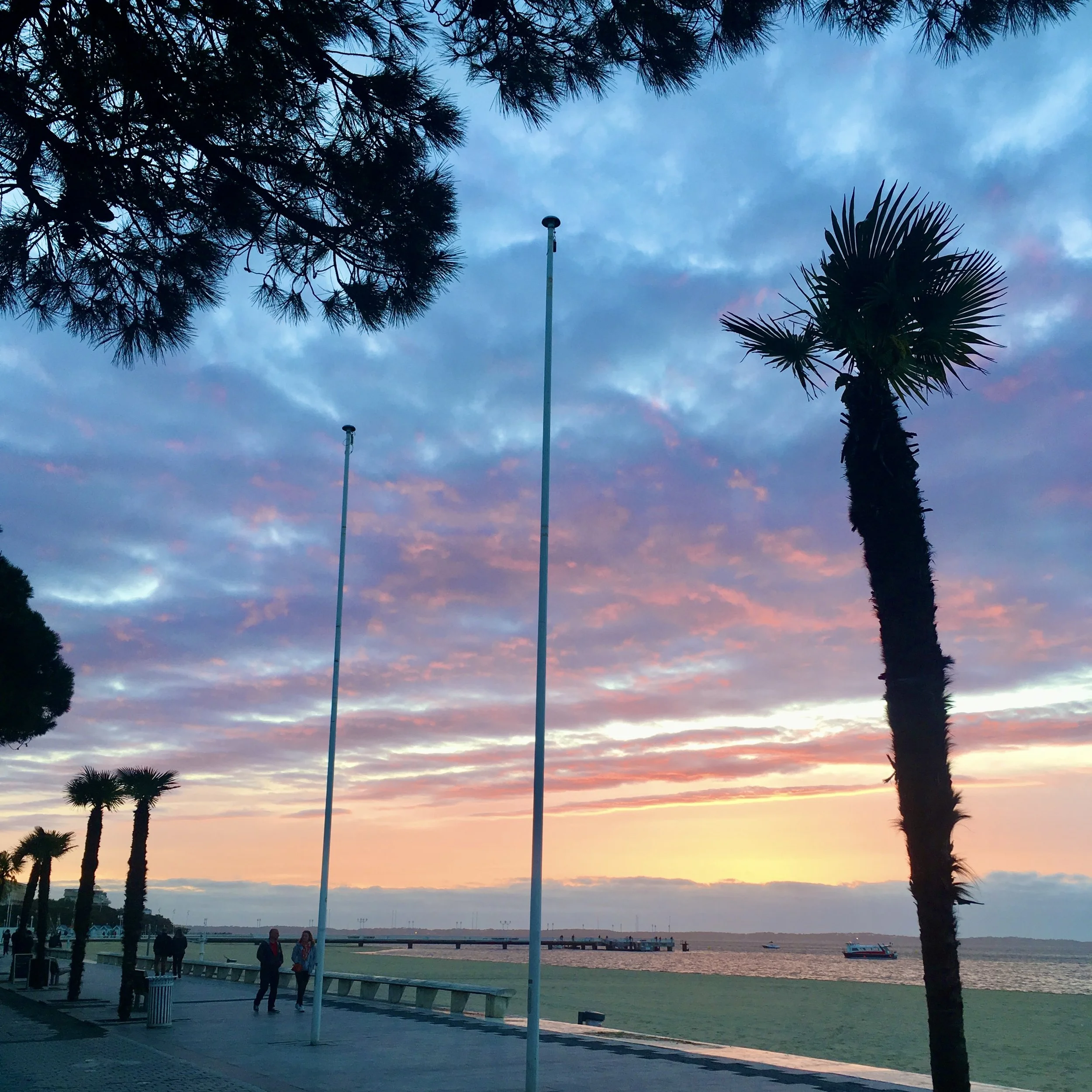
Just two hours north of Biarritz and only one hour southwest of Bordeaux, lies the triangular “Bassin (basin) d'Arcachon. Known for fishing and oyster farming, Arcachon is bounded by more than 80 km (50 miles) of flat coastline and sits in La forêt des Landes, the largest man-made woodland in Western Europe. Napoleon III had a hand in popularizing this seaside location as well. After he declared Arcachon an independent municipality in 1857, it gradually became a favorite vacation destination. Across a narrow ocean inlet from the mainland, the chic seaside resort of Cap-Ferret is now the summer home of many celebrities. However, the real crown jewel of the “bassin” is Europe's largest sand dune, Dune du Pyla (Pilat). The shape shifting mountain is nearly 3km (1.86 miles) long, 500m (1640 feet) wide, and reaches up to 110m (360 feet) in height. Not an easy climb up loose sand, but the views from the top are spectacular!
Soorts-Hossegor
The original name of this 11th century town was simply “Soorts,” derived from the vernacular Gascon word for “where there are sources,” fitting for a coastal town with both a lake and a river. In the 14th century, a church was built in Soorts to establish a coastal path for the “Santiago de Compostela” pilgrimage route. In the mid 1800’s, Napoleon had his hand in shaping this seaside spot as well— ordering a canal to be dug linking the freshwater lake to the sea. This gradually transformed the body of water into a tidal lake, rich with marine plants, shellfish, and gilthead bream. Soorts also became a haven for oyster farming and selling seaweed. It wasn't until 1913 that the town added the name of the lake, “Hossegor,” to its name in an effort to increase tourism. This name change, and its inconsistent application by locals became a comical point of confusion for us as newcomers to the Basque Coast.
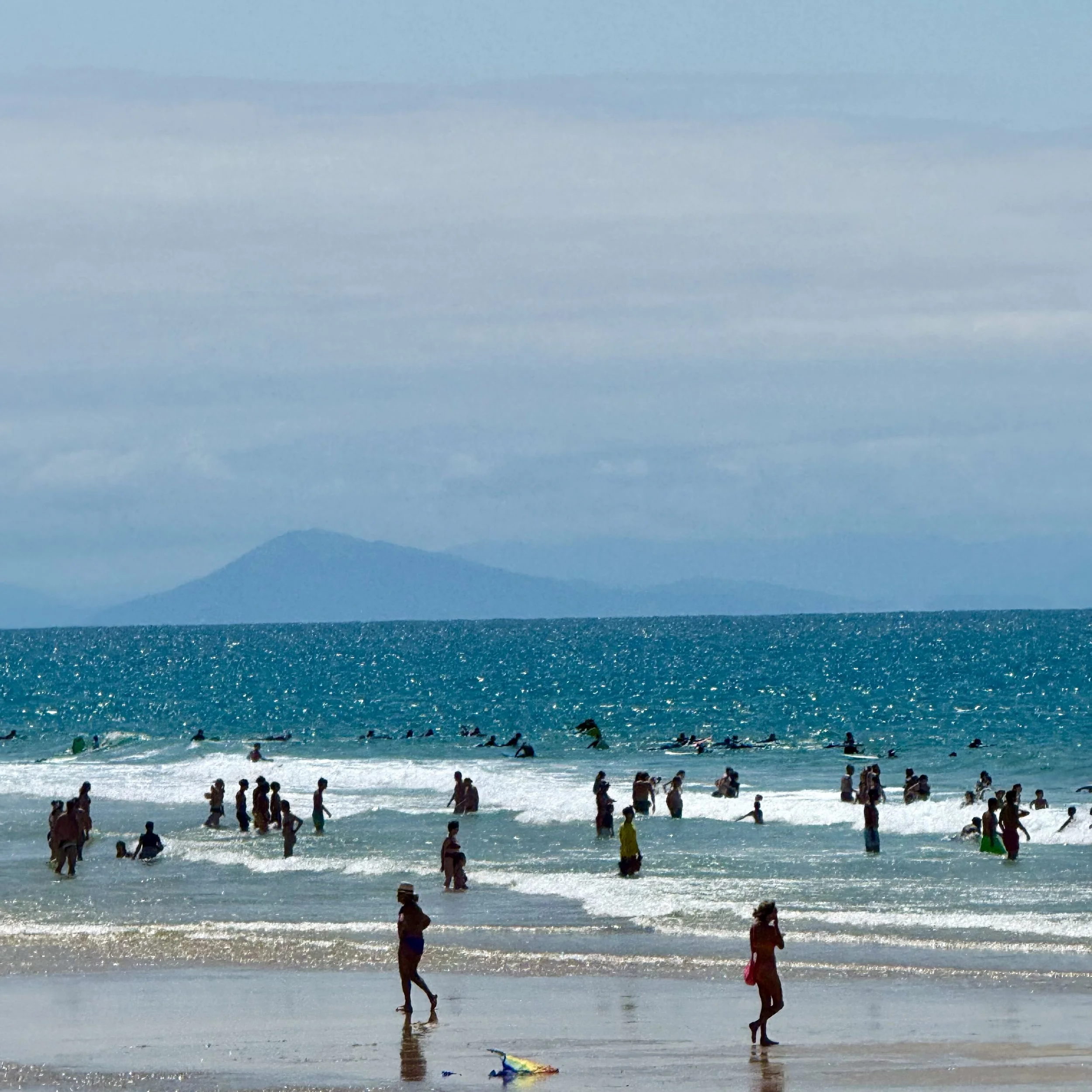
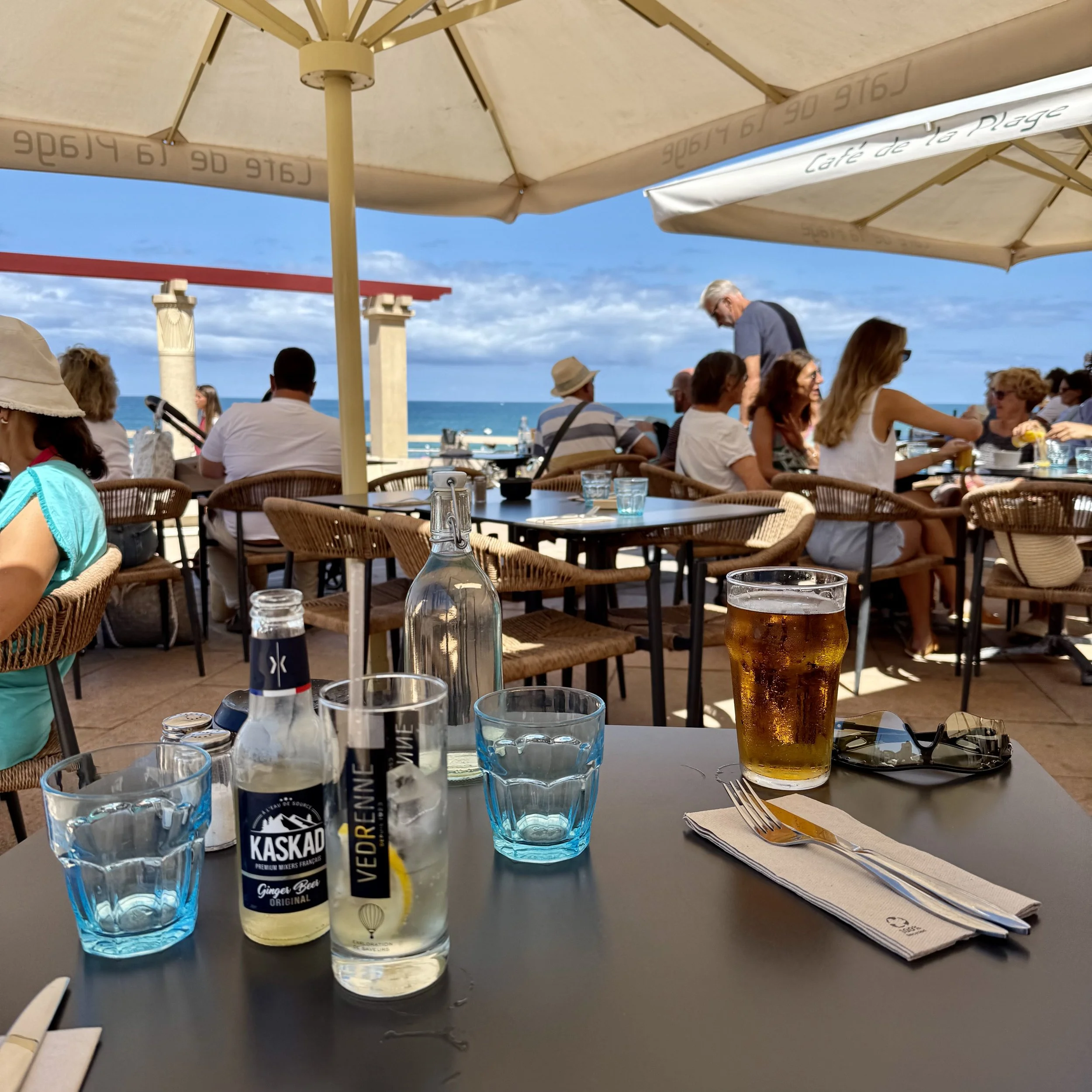
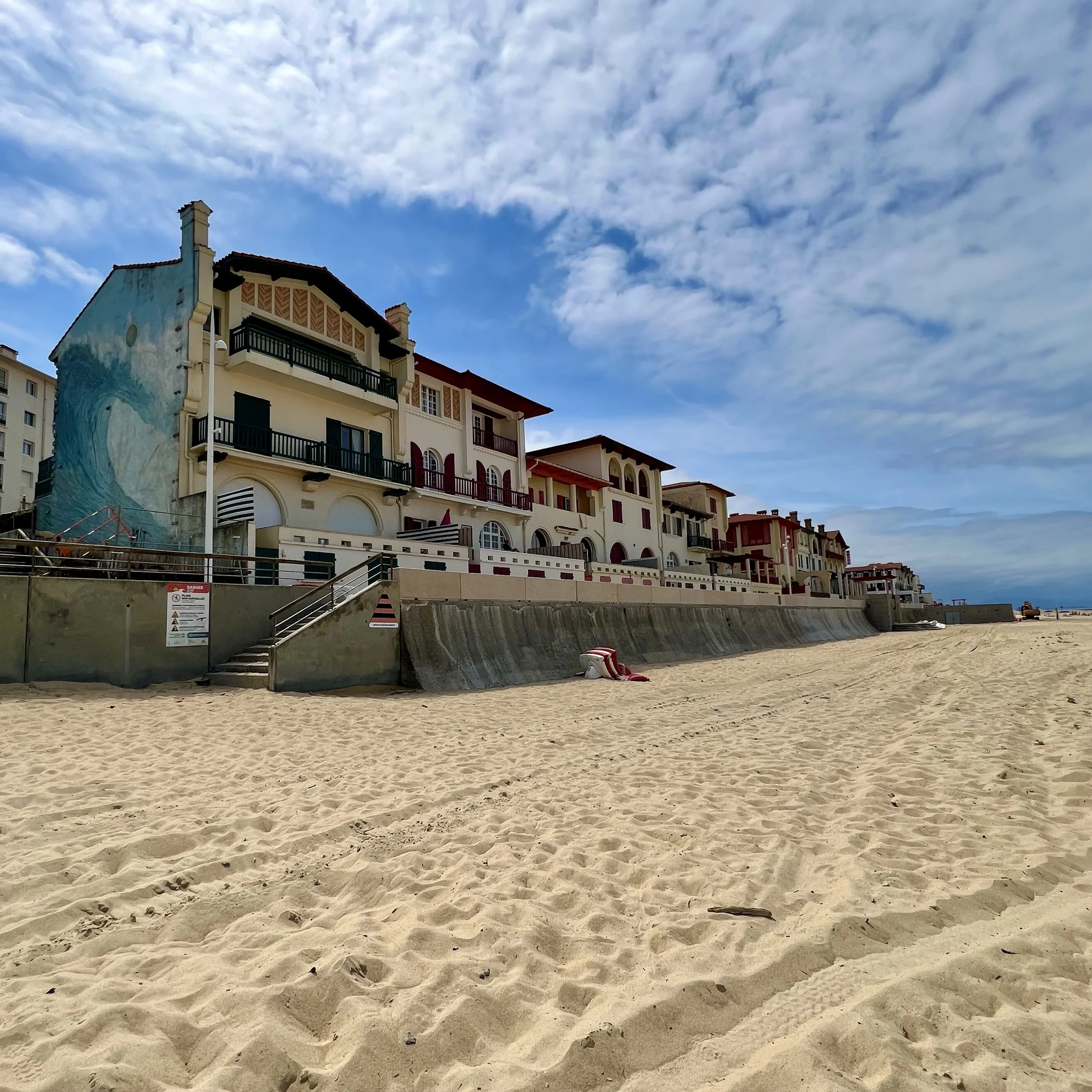
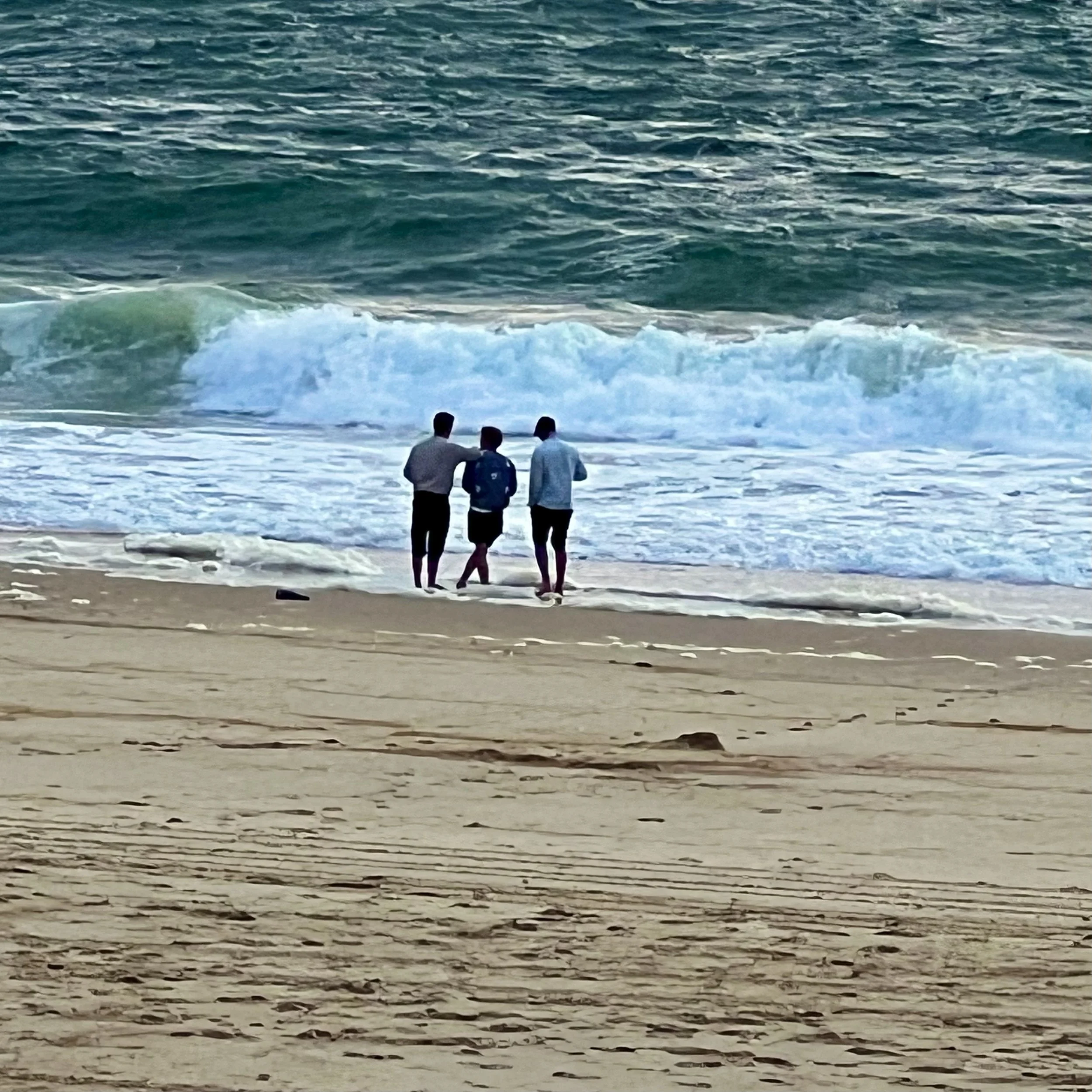
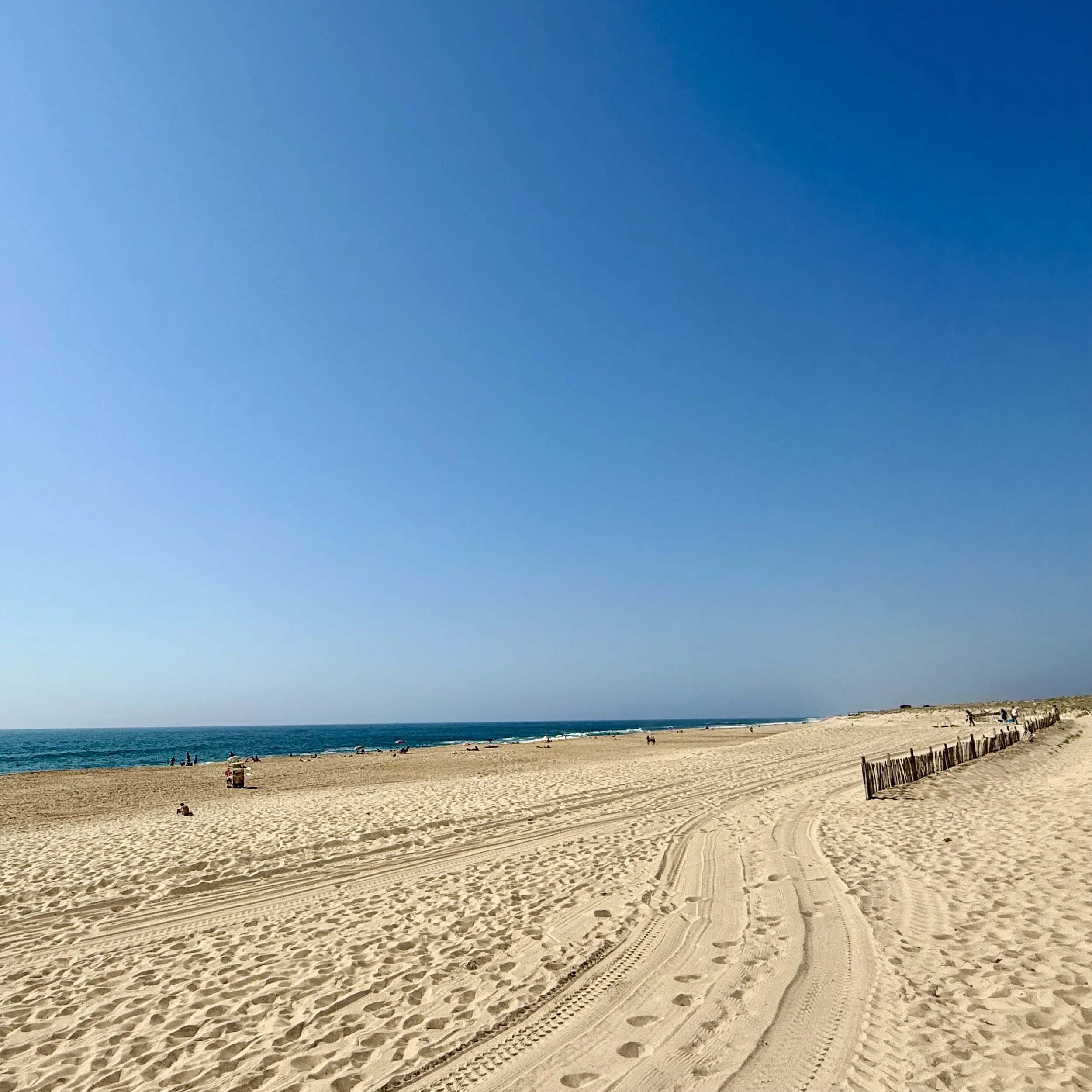
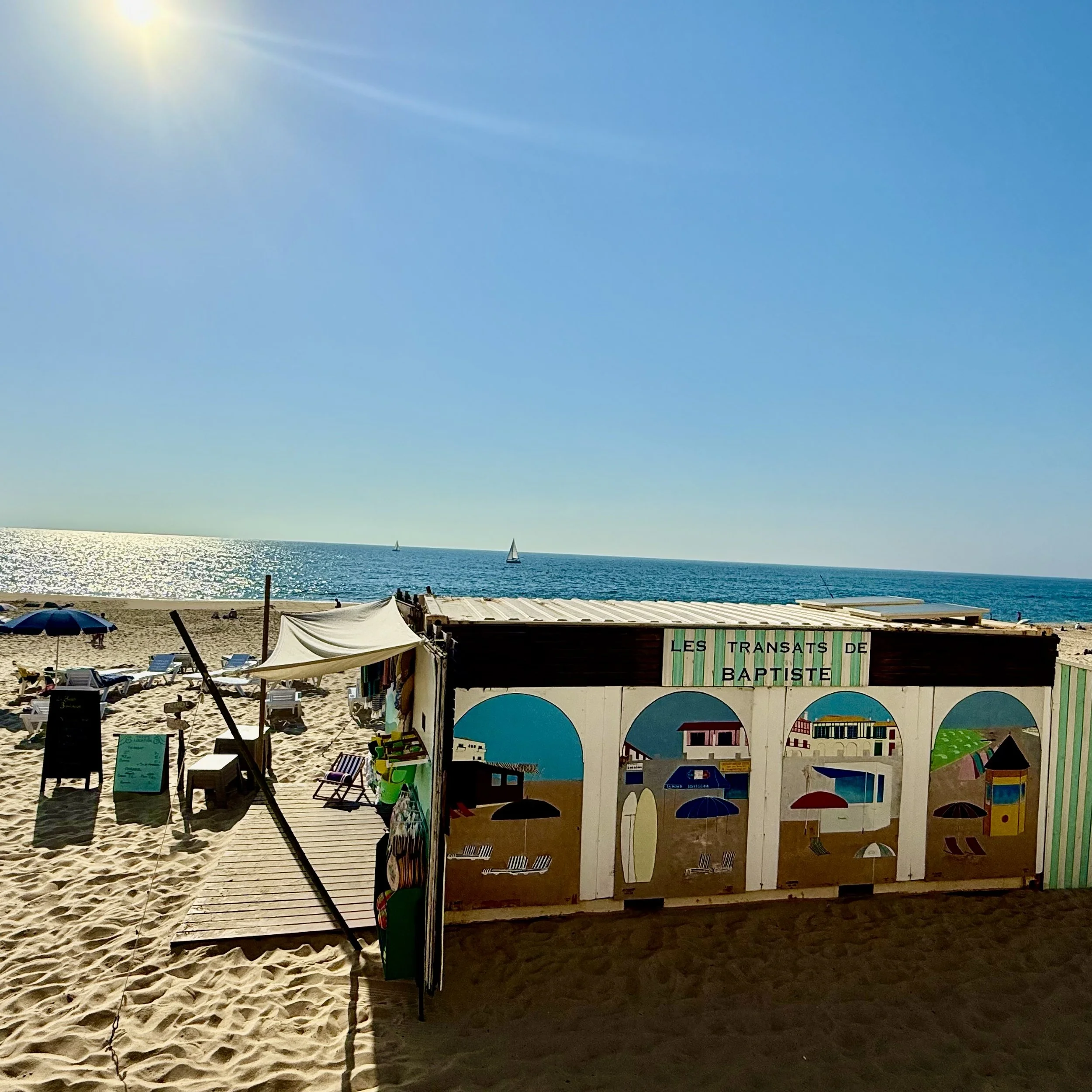
A decade ago, when we were house hunting in Pau, our real-estate agent, Jerome, offered his opinions on the top skiing and beach locations in our region. While we sipped “Americano” cocktails at his favorite café, he described the incomparable beaches of Soorts-Hossegor, that are hidden from the road by tall dunes. Because locals like Jerome drop the “Soorts” from the town’s name, as well as the “H” from “Hossegor” (the letter is silent in French), we thought he loved a place called “Ossegor.” Several years later, with more language skill in hand, we drove up the coast from Biarritz through lovely pine forests with no specific destination in mind, simply following signs toward “les plages” (the beaches). After passing a tidal lake, dotted with oyster shacks serving lunch and cocktails under shady pines, the forest opened spectacularly onto a long stretch of high dunes. We could hear but not see the surf until the road narrowed to its end: the parking area for Hossegor Plage. While enjoying the view of mountains and sea from a beachside café, it dawned on us that we had stumbled upon Jerome’s infamous “Ossegor”.
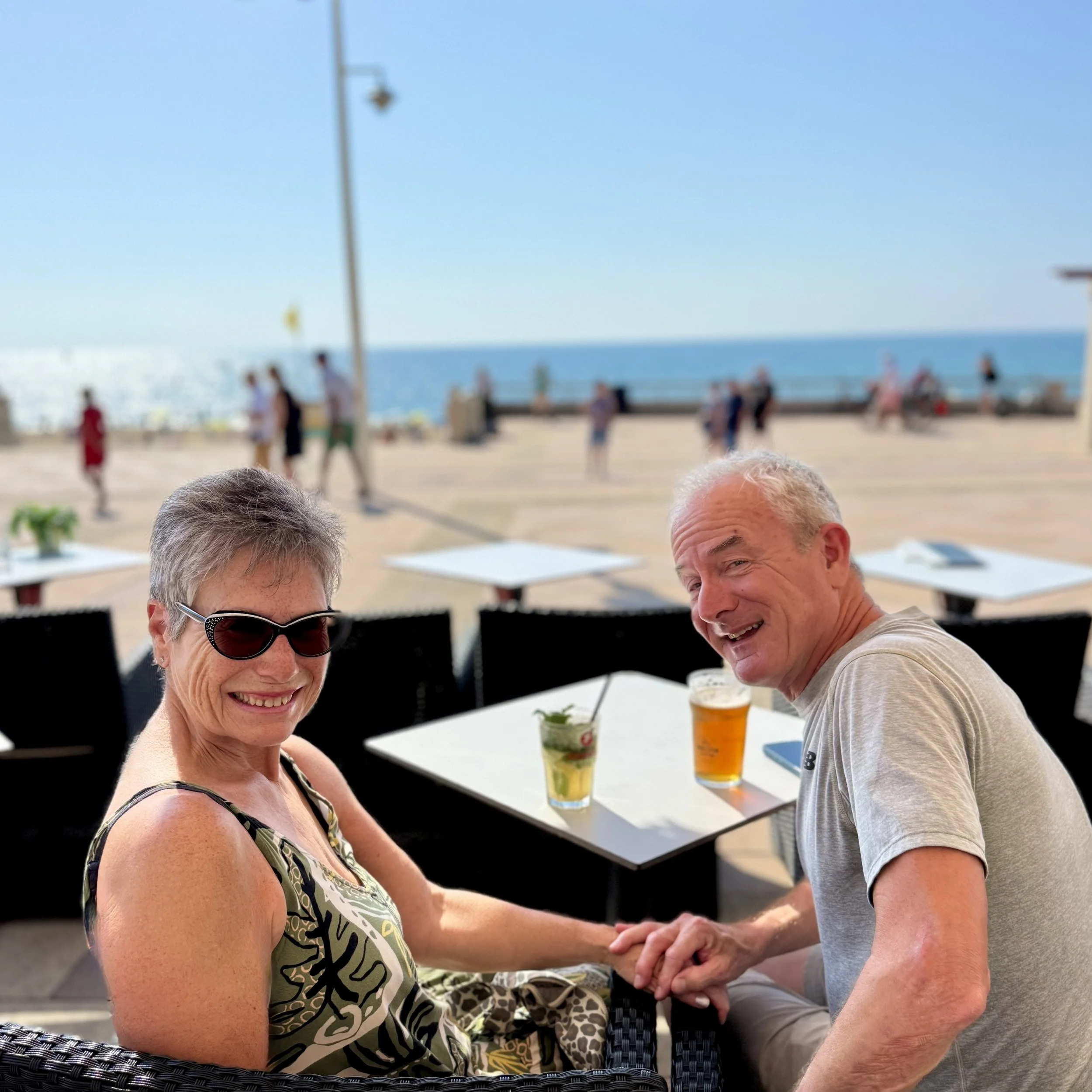
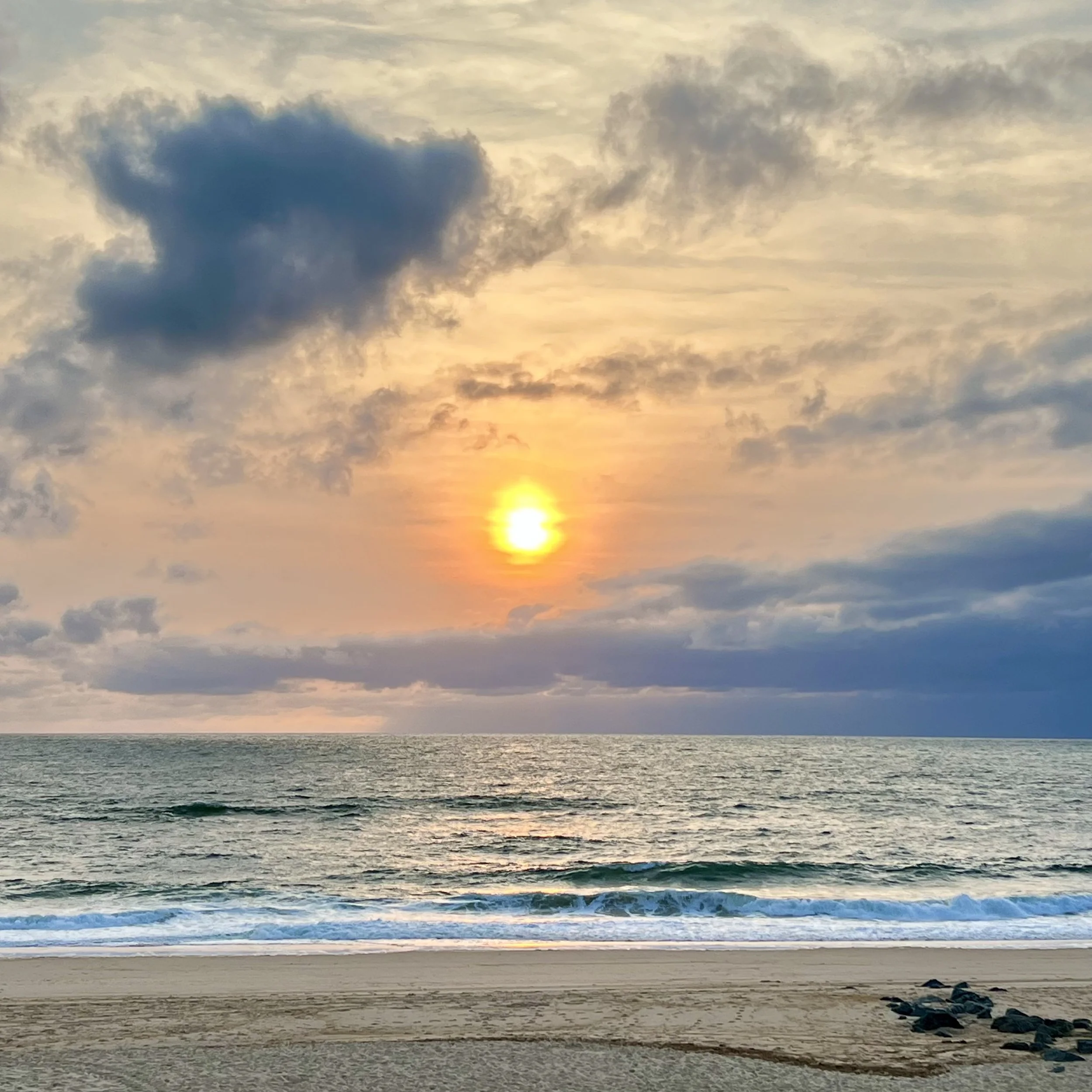
Like many other locals, we now come here for beach vacations — not Biarritz. Most of its seven beaches offer restaurants on the water’s edge (some actually perched on the sand dunes) that serve a high standard of French classics as well as lighter, contemporary options. Paired with a glass of wine or beer, lunch segues seamlessly into unfolding our beach chairs, watching surfers ride rolling waves, reading a bit, and indulging the inevitable nap.
Saint-Jean-de-Luz
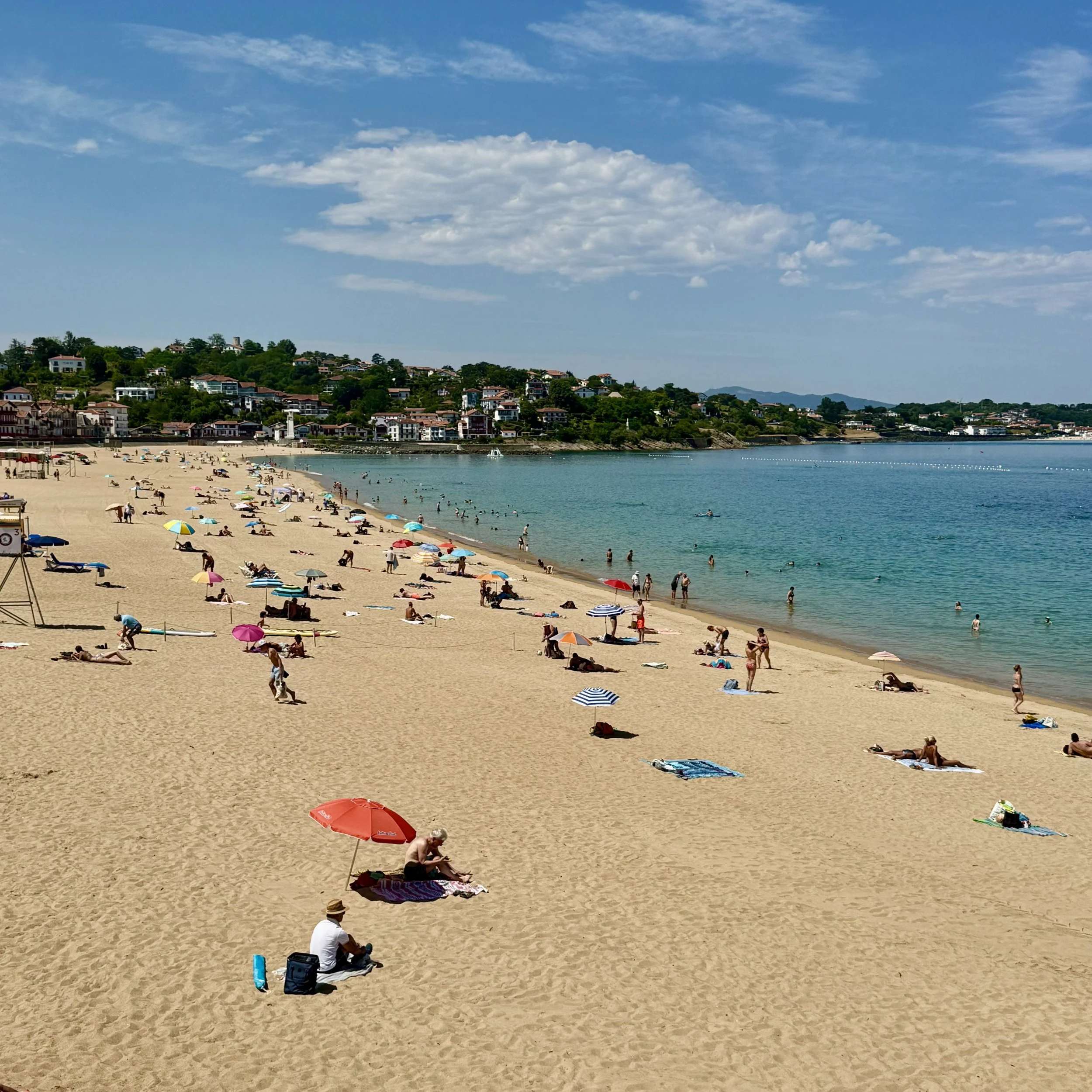
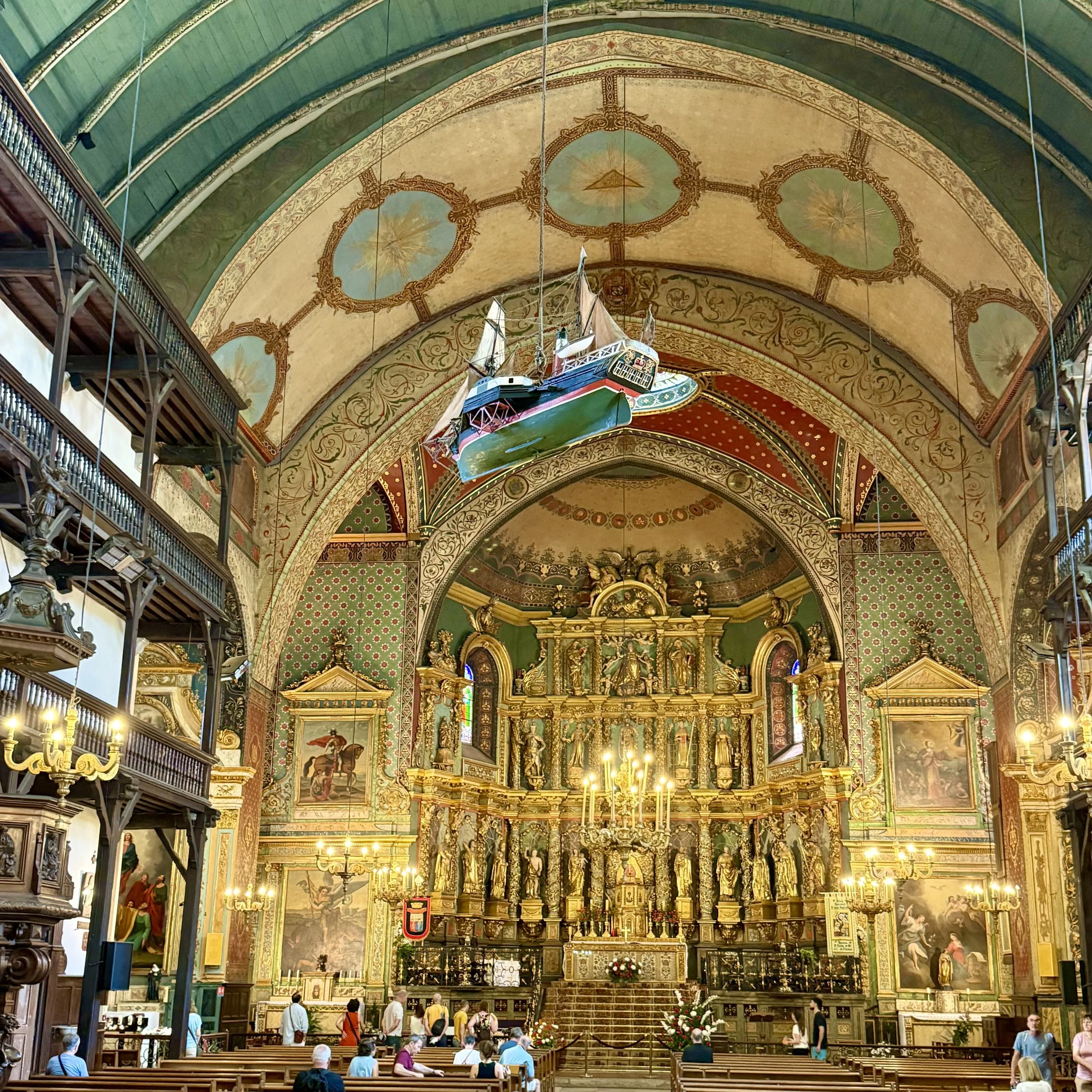
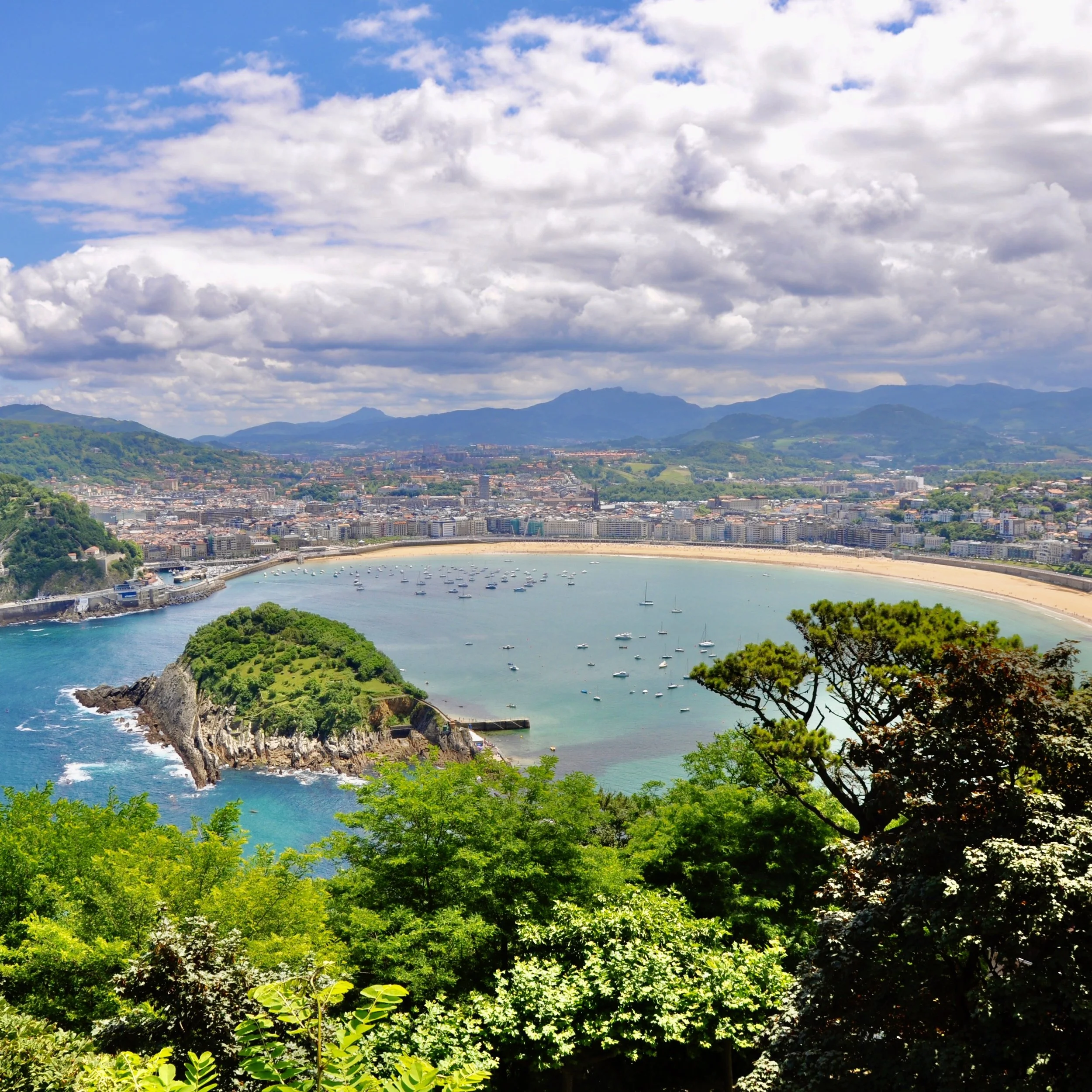
Heading south along the coast from Biarritz, only twenty minutes north of the Spanish border, lies the Basque beauty of Saint Jean de Luz (Saint John of the Marshes, or SJDL to locals). Friends Christi (translator “extraordinaire”) and Jean-Pierre introduced us to this historic whaling and fishing port, the only sheltered bay between Arcachon and Spain. It was the summer home of Victor Hugo and its Roman Catholic cathedral famously hosted the marriage of King Louis XIV to Spanish princess Maria Teresa in 1660. Like the local oysters, the exterior of L’Église Saint-Jean-Batiste is quite plain and simple and belies an interior “pearl.” It is adorned with richly colored walls, unique wooden balconies, and a monumental altar piece considered one of the most ornate in France.
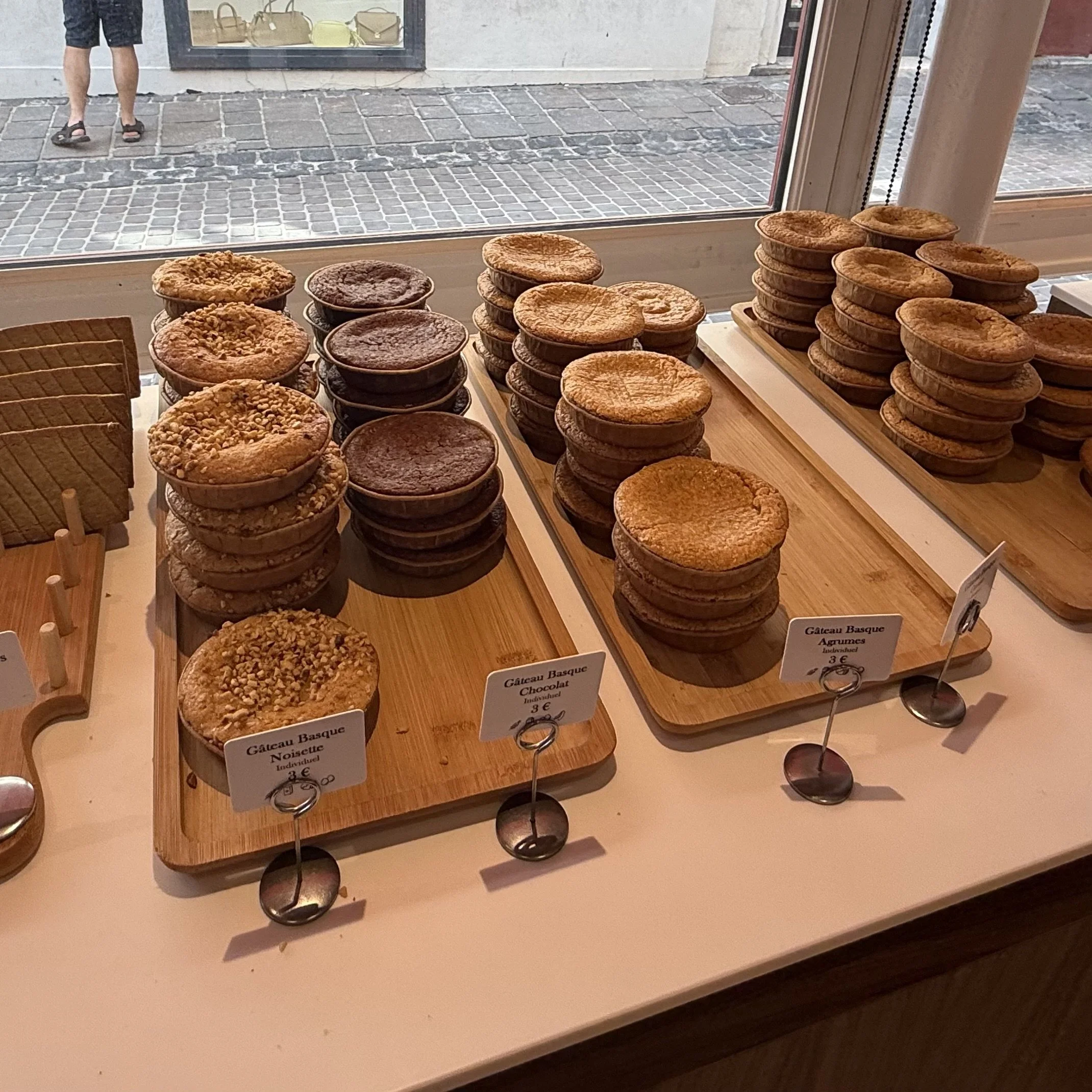
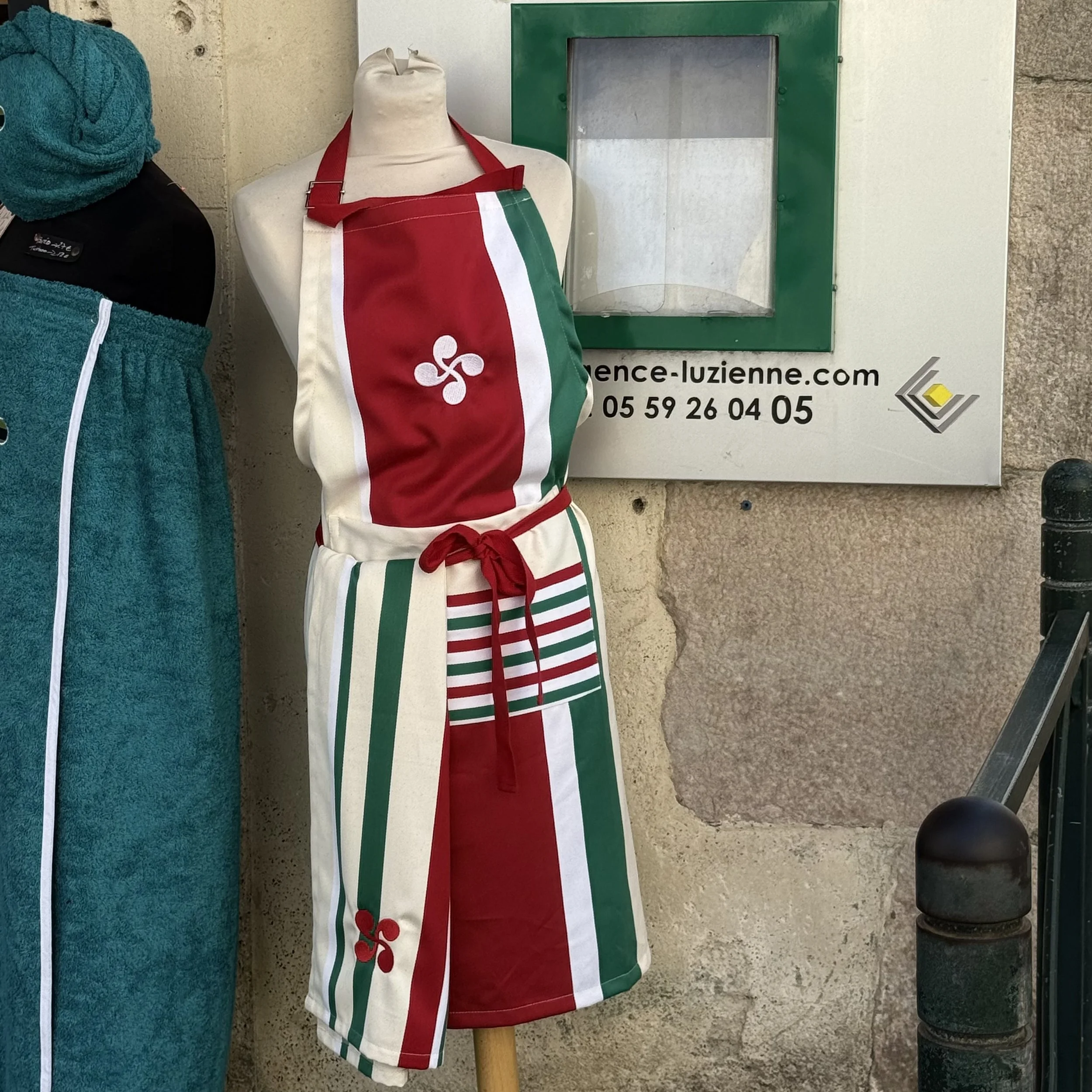
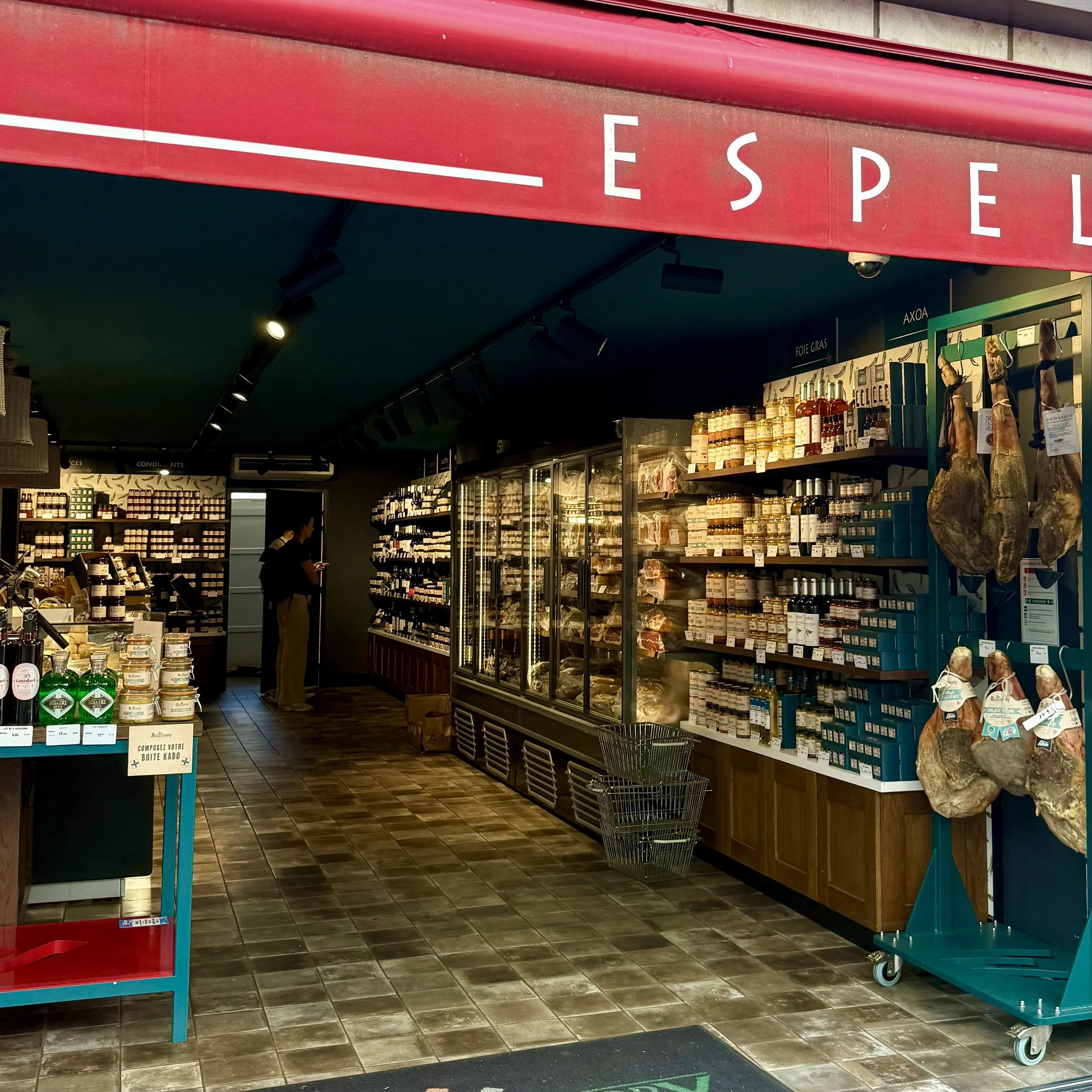
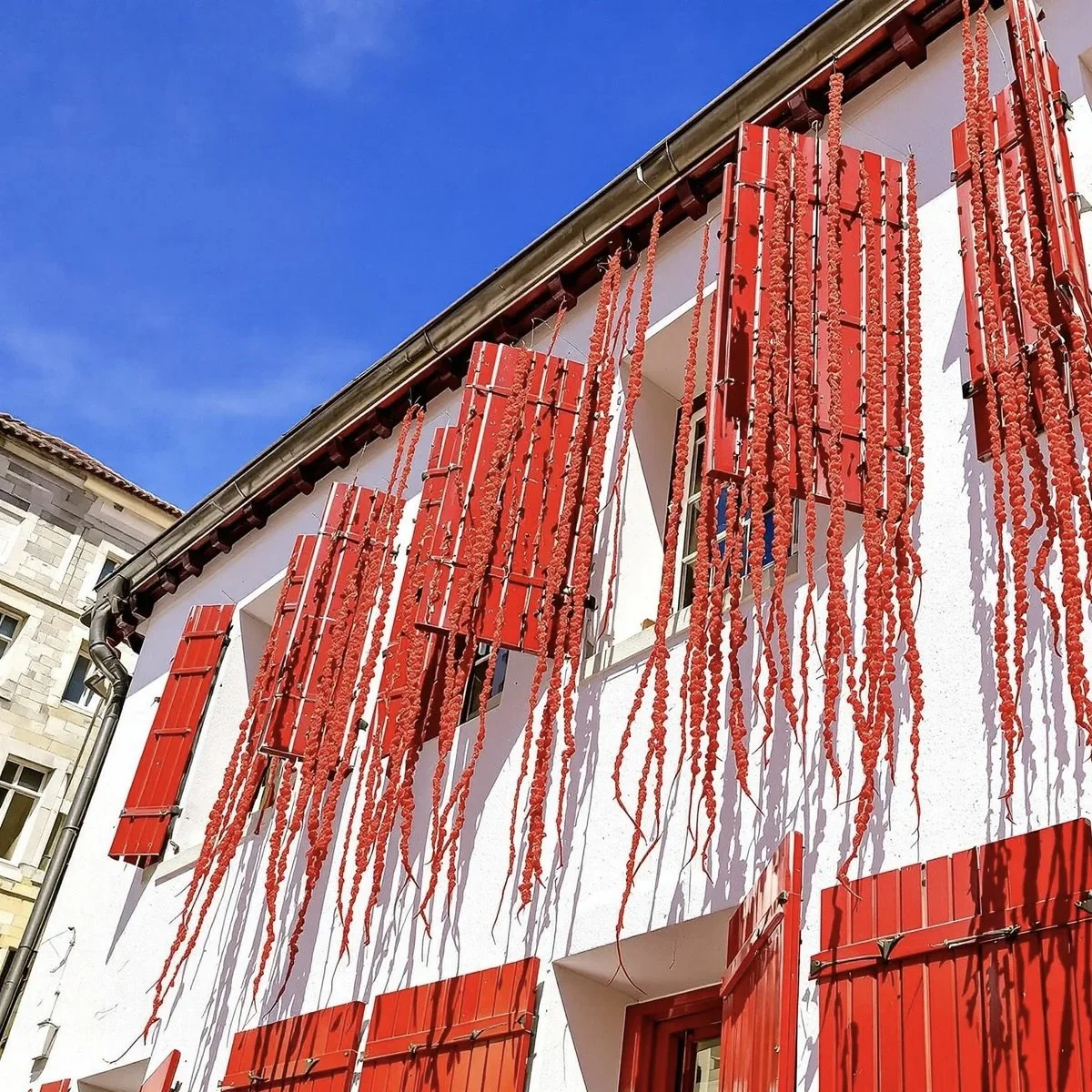
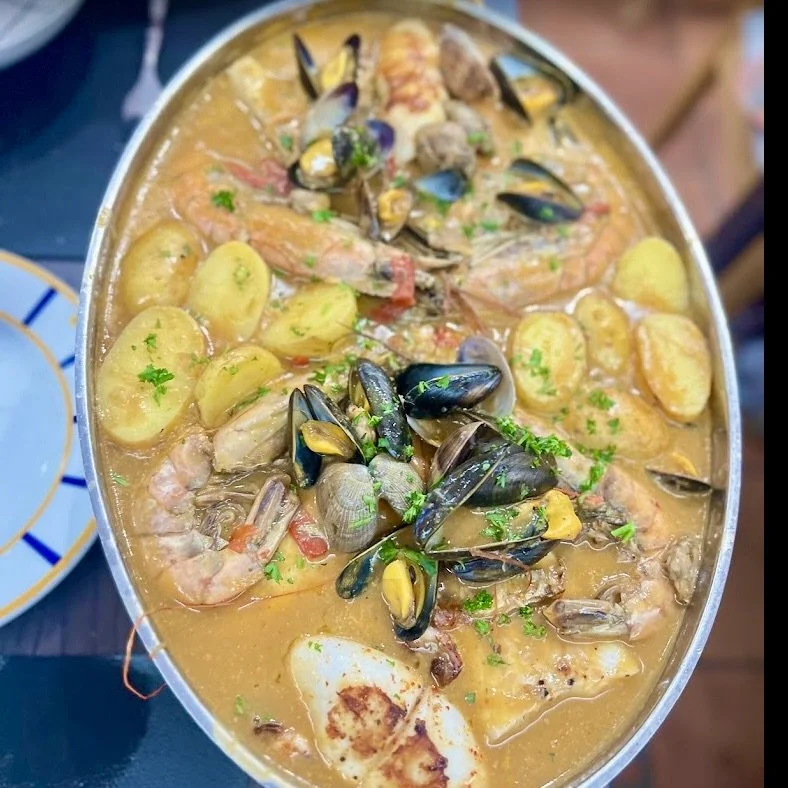
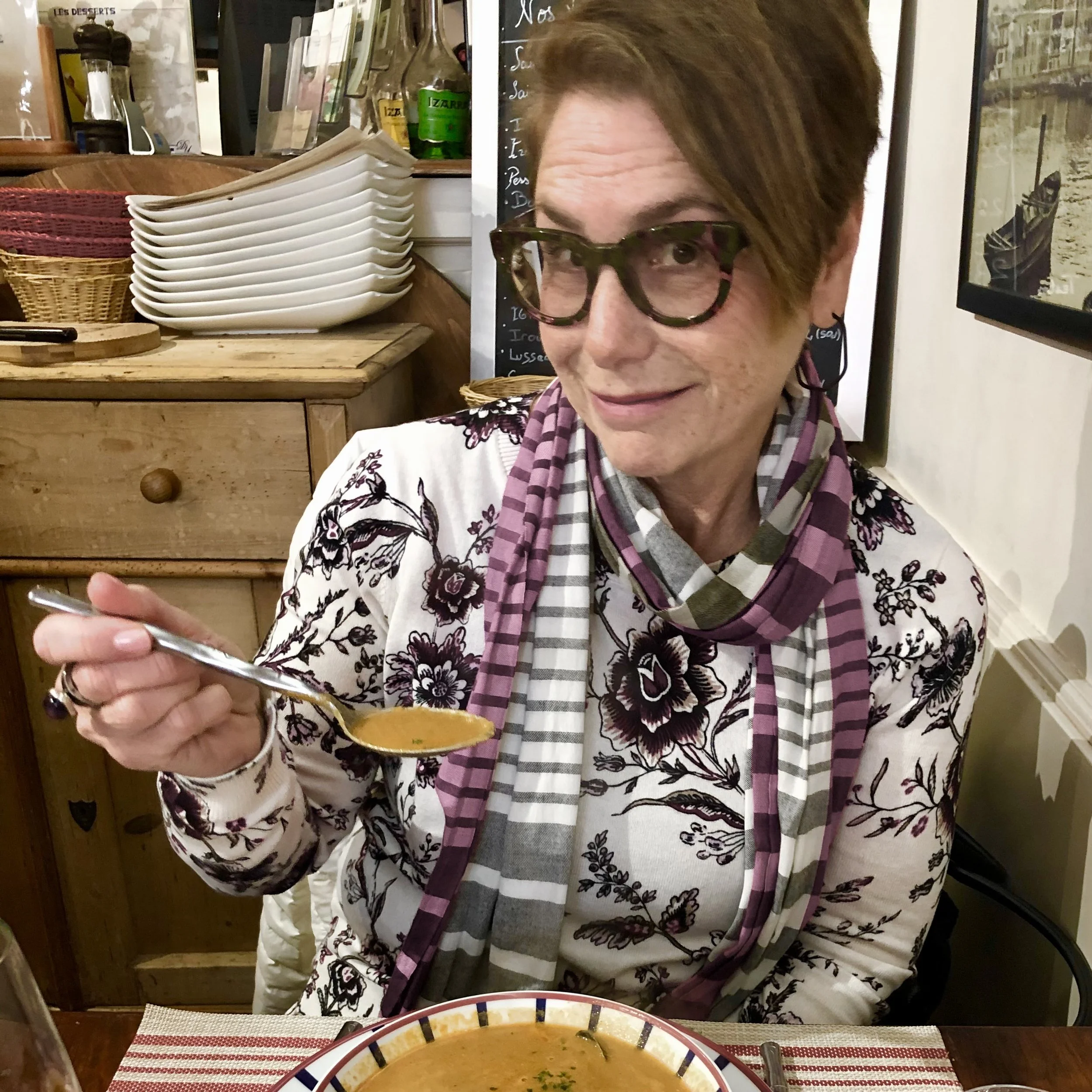
The town is worth visiting year-round for its cuisine and shops that offer traditional Basque treats like sardines, cured ham, and spices—especially “Piment d’Espelette.” This subtle chili powder has an AOP designation (like many French wines) and is only produced in 10 small villages in the nearby Nive Valley, snuggled up against the Pyrenees. Strings of the acclaimed peppers are ubiquitously hung to dry in cascades of vibrant red out the windows of the local homes whose bright white walls are traditionally trimmed with timber painted the same bold hue as the peppers. SJDL has an abundance of bistros along the harbor and its beaches for when the weather is warm and the sun shines. Yet, we are equally drawn to its charm on a cool, rainy day. Tucked away on a narrow side street, the cozy atmosphere of family run “Pil Pil Enea” needs no view. Its lure is an aromatic, mouth-watering fish stew teaming with treasures from the sea. https://www.pilpilenea.fr