Loving Two Atlantics
Cape Cod
.
July is the axis upon which my life has always turned. As a child, it offered release from academic expectations, delightfully long days, celebration of my mid-month birthday, and the promise of escaping to the sea. I’ve always felt a pull toward salt air, soft sand, and the rhythm of waves— fitting lures for a spirit born under the astrological sign of Cancer. Its symbol, the crab, was mythologically believed to push the sun across the heavens; its element is water; and like the tides, it’s ruled by the moon. Proximity to the sea is still precious to me and it played a significant role in choosing Pau, only an hour from the Atlantic, as our anchor in France.
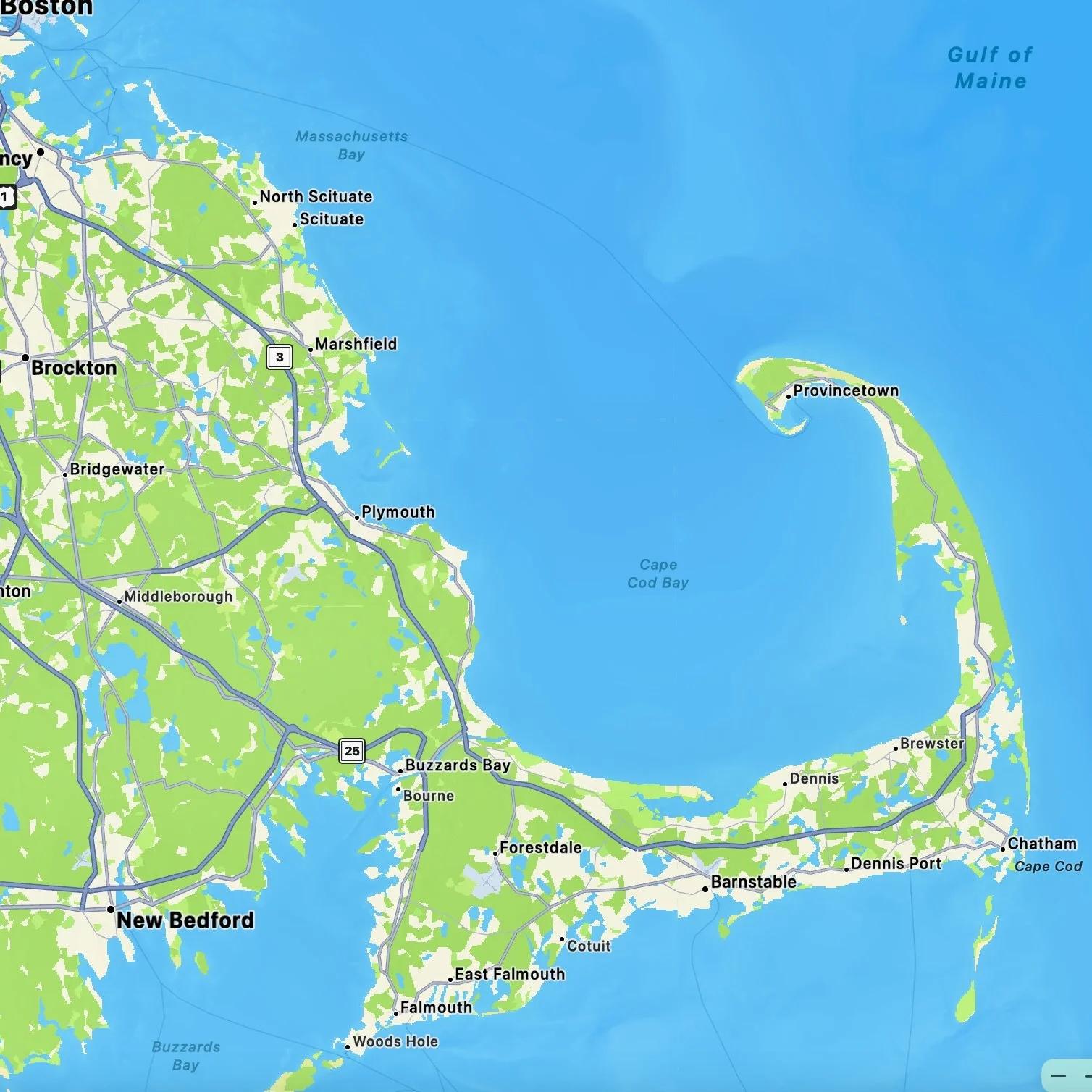
My coastal connections were spawned along Cape Cod Bay and its peninsula—a narrow, curled arm of land that juts out into the Atlantic Ocean from the mainland of Massachusetts. Each summer, my paternal grandmother offered us time at her cottage in Manomet, a seaside village of historic Plymouth, that forms the mainland’s boundary with the Upper Cape. The quintessential 1940’s beach house, designed for unpretentious living, had easy-to-sweep linoleum floors, two bedrooms, a screened in porch for escaping rain and mosquitos, and an outdoor shower that sent earwigs scurrying when hot water finally rattled its way to the old tin showerhead. No one minded the musty odor that permanently inhabited the bedding on creaky cots, or the faded upholstery on sofas and armchairs.
Most mornings, we piled into our station wagon loaded with folding chairs, beach umbrellas, blankets, towels, toys, inflated “inner tubes” and an aluminum picnic cooler the size of a treasure chest—stuffed with drinks, snacks, and sandwiches. Minutes later, we’d extricate ourselves from the back of the wagon, grab as much bounty as we could carry, and trudge single file like ants across hot sand toward the sea. Long days of play on the white sands of Priscilla Beach would leave us exhausted and ready for the lullaby of distant waves, but not before eating our weight in “steamers” (local soft-shell clams) dipped in melted butter, farm fresh corn-on-the-cob, and thick juicy slabs of watermelon.
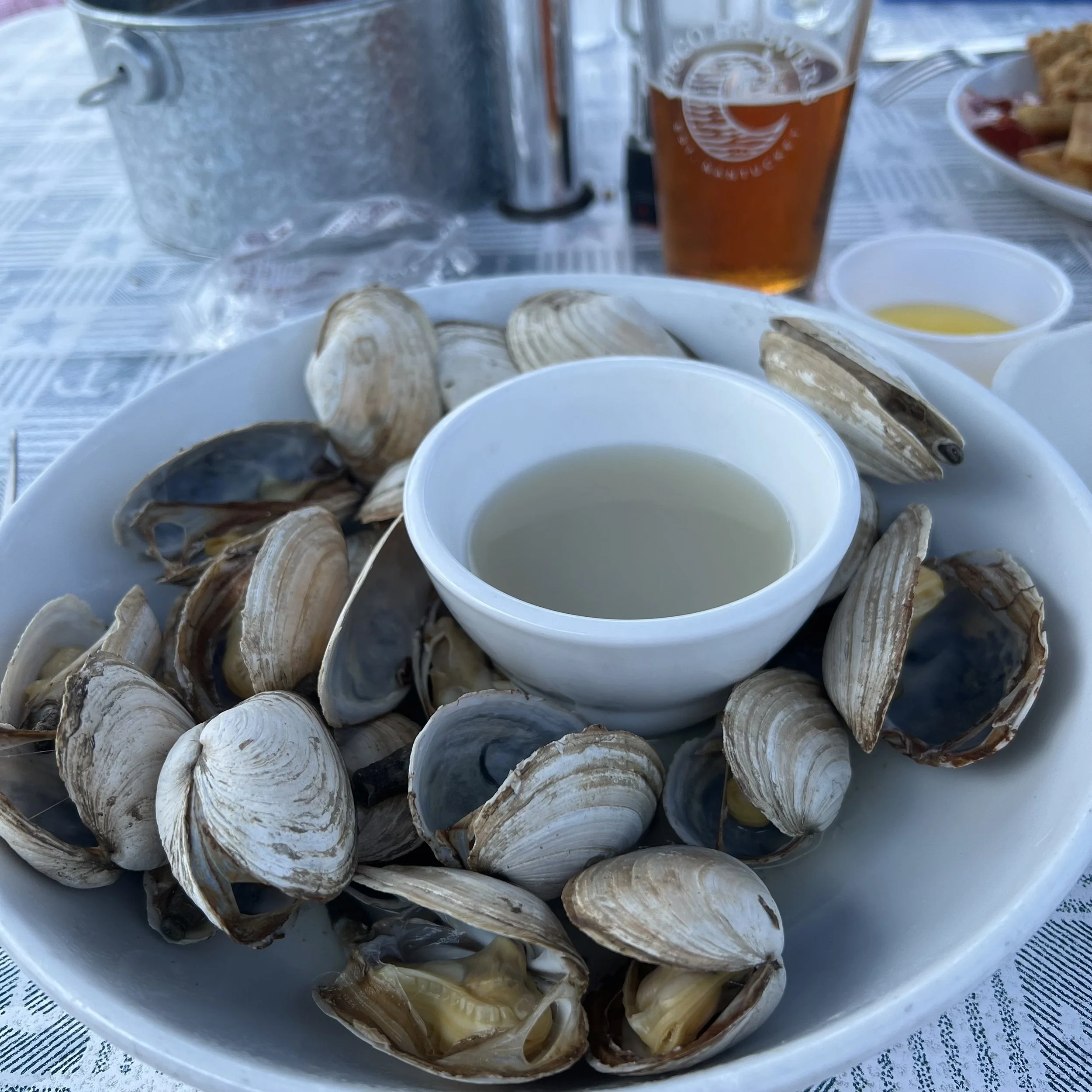
My steamers are now accompanied, on occaision, by a craft beer . . .
At least once during each stay, my family would abandon our beach rituals to embark upon an excursion across the Cape Cod Canal via the Sagamore Bridge. Its road deck hangs from a soaring arch, 84 meters (275 feet) above the watery divide between the mainland and the Cape. Half the excitement of the ride was looking down from such a height at the hive of maritime activity below. Our favorite destinations included the Sandwich Glass Museum (popular for its appropriately Cranberry colored pressed glass) and Marconi Beach, part of the Cape Cod National Seashore, where the first transatlantic communication between the USA and Europe, took place in 1903. But the ultimate road trip would take us all the way to the tip of the Cape, where quirky Provincetown promised souvenir shopping, saltwater taffy, and ice-cream cones. On the occasional rainy day, there was no TV to pass the time (or personal devices in this pre-tech era), so we engrossed ourselves in books, board games, and art projects.
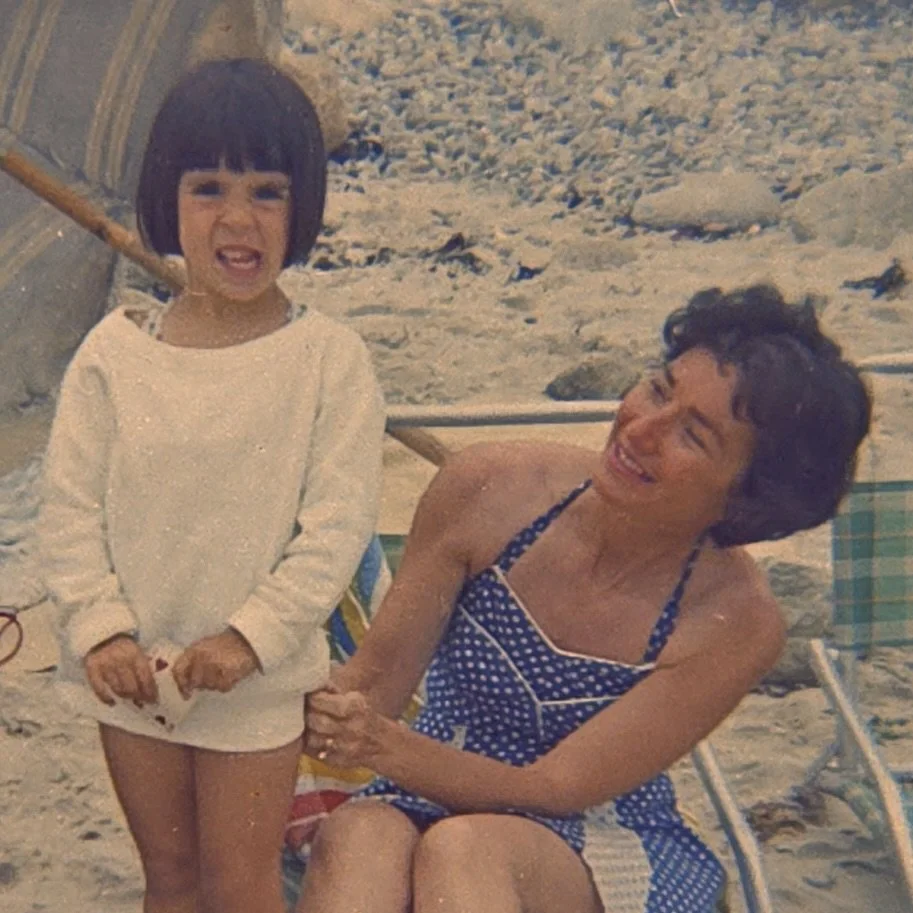
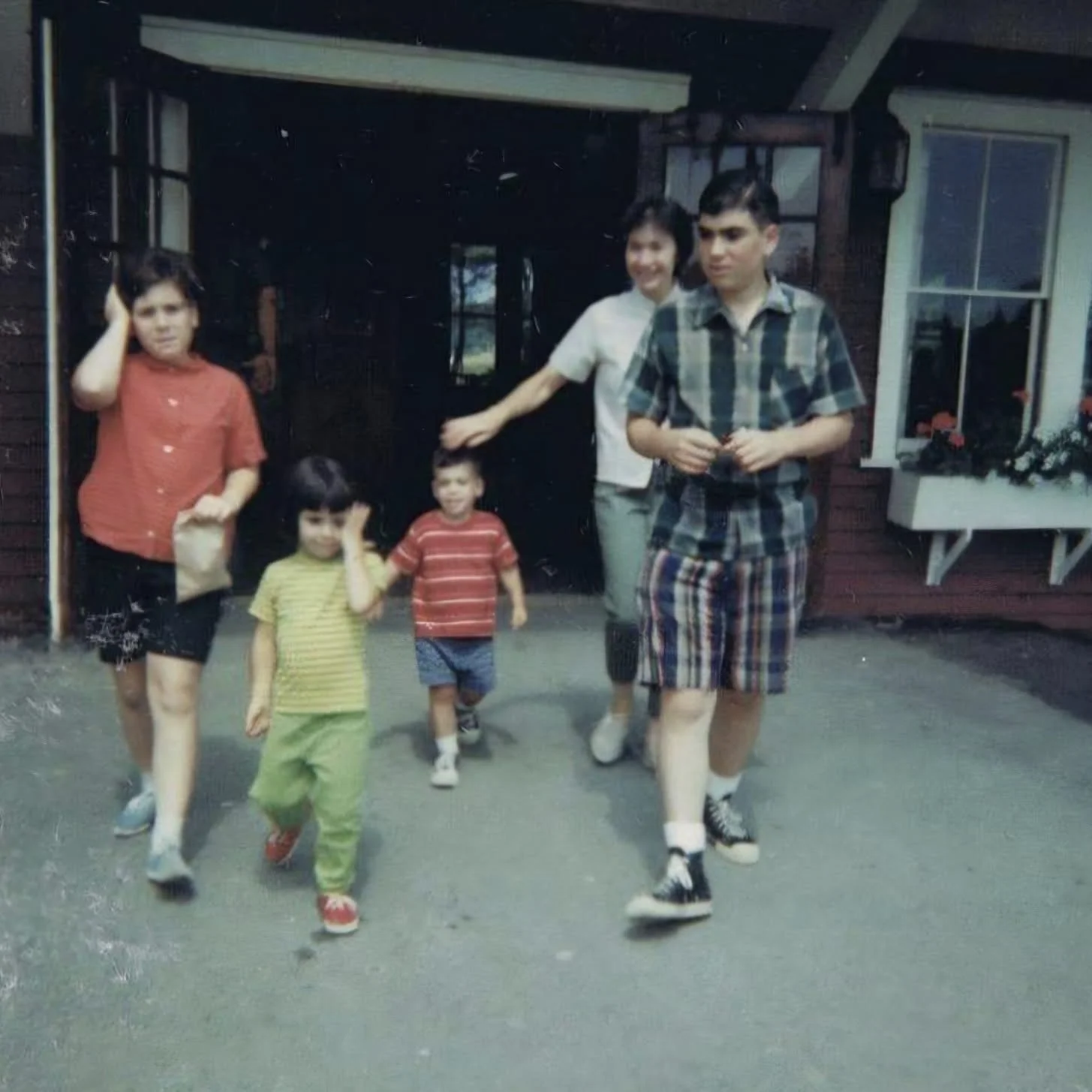
Images below: Top row (Circa 1969)—all four of us kids with Mom on a Cape road trip and my little sister with our Mom on Priscilla Beach. Bottom row —recent photos of Priscilla Beach and the cottage, no longer owned by our family (kindly taken for me by my cousins).
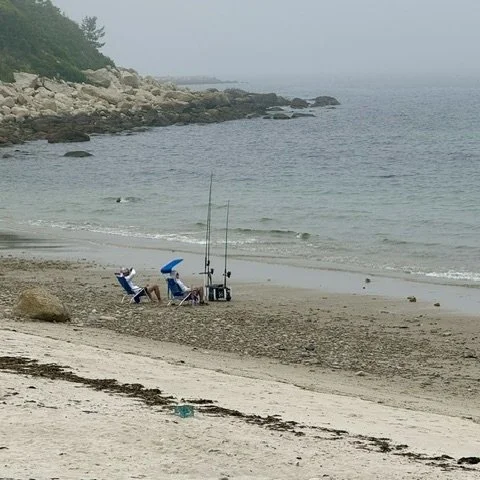
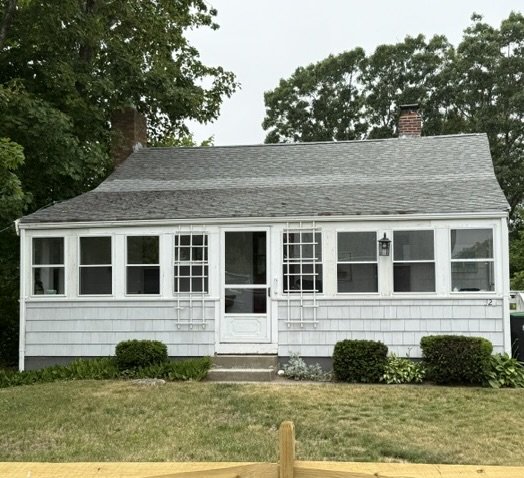
Our cottage stays often coincided with my birthday, two of which remain vivid in my memory. The summer I turned eight, my mother was sporting Jackie Kennedy vibes in skinny “cigarette” pants, despite maternity tops publicizing the pending arrival of my baby brother. We had just celebrated my sister’s first birthday the week before mine. Likely weary with her pregnancy and corralling kids, my parents enrolled my older brother and I in a weeklong program at the Sparrow House Museum, the oldest standing historic home in Plymouth. Inside its dark timber paneled walls, dimly lit through small leaded glass windows, the Colonial clad instructors taught us to churn butter, hand-dip bayberry candles, comb and spin sheep’s wool, dye the yarn in a concoction of boiled roots and berries, and weave tiny textiles on a wooden hand loom. Though my brother was ambivalent, I was transported in time to another world of aromas, tastes, textures, and way of living. I couldn’t wait to present my hand-crafted artifacts on the first day of “show-and-tell” in September. http://www.sparrowhouse.com/SparrowMain.htm
For my 13th birthday we were joined by my parents’ friends who had driven from Texas with their two teen-aged children. Although we kids had not previously met, I was thrilled they would expand the attendance at my party, which on most years was pathetically small due to friends being away on their own family vacations. I don’t recall how we all crammed into the undersized accommodations, but I clearly remember the lanky, tanned son and the pregnant lizard he had transported cross country in a shoebox. (Much to our delight, she delivered a single, gelatinous white egg before their departure.) Yet the highlight of the celebration was not the boy or the reptile, but rather my parents’ gift of a much longed-for, silver charm bracelet—already adorned with a miniature Mayflower ship.
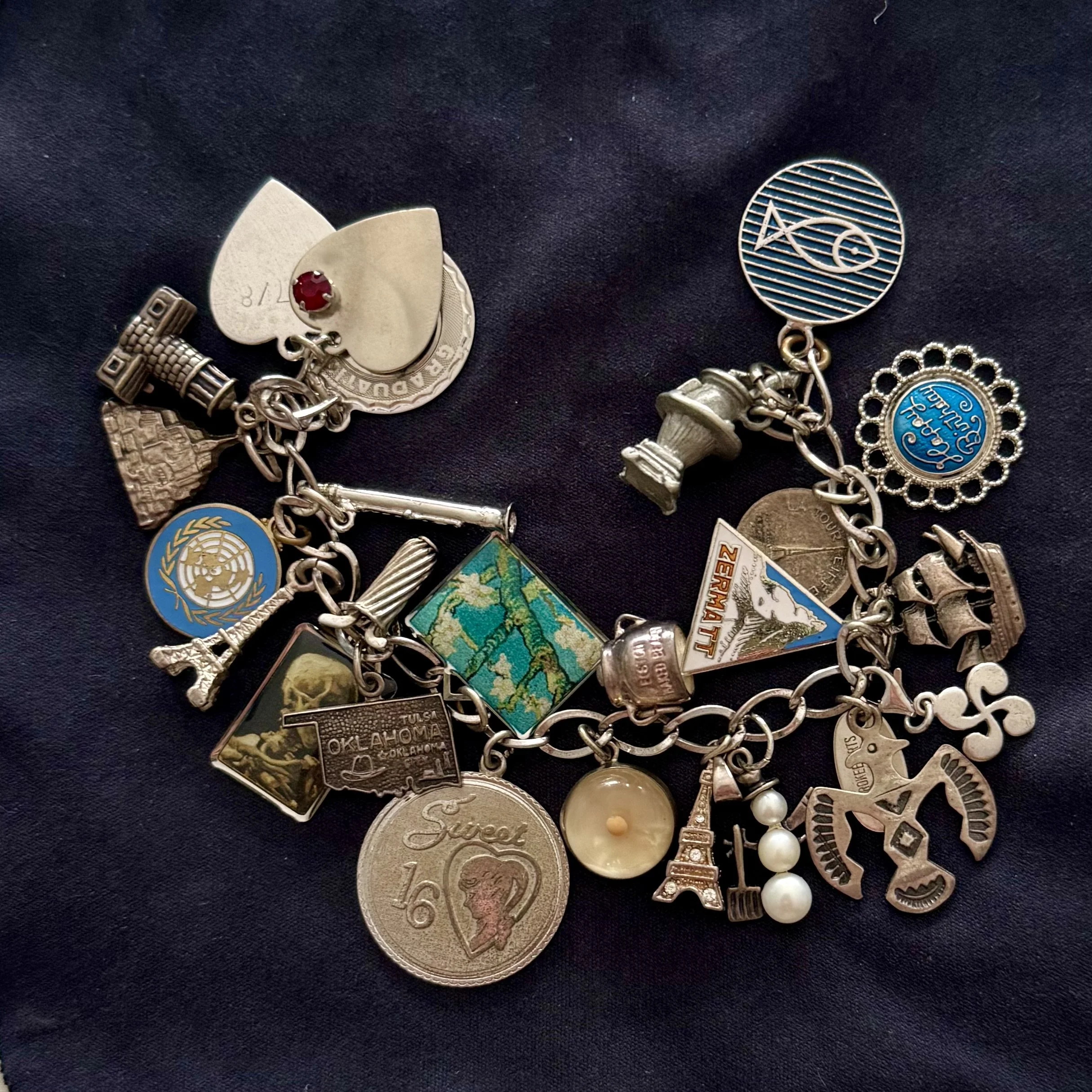
Nearly 60 years later, its sterling links are crowded with dangling markers and milestones of personal history. The Lilliputian replicas include a clarinet, a diploma, the Eiffel Tower, van Gogh’s “Almond Blossoms,” a snowcapped Matterhorn, and the pan-handled-profile of my Oklahoma birthplace.

The most recent addition is a Basque cross. It is the symbol of a culturally and linguistically unique region adjacent to Béarn, where Pau is the capitol. The Basque land straddles the western end of the Pyrenees Mountains that form a natural boundary between France and Spain before dramatically diving into the Atlantic Ocean, where the two counties are joined into a singular coastline.
This July, as I cross into a new (psychologically alarming) decade, I will be a long way from “Old Cape Cod” and its care-free days. While the cottage and the Cape will always hold a cherished place in my heart, I have happily found a string of seaside “charms” on the opposite Atlantic shore. We began collecting coastal favorites in the southwest of France long before moving to Pau. From the start, we observed interesting similarities and differences in beach culture. The seasonal migration of families from inland residences to maritime escapes is equally popular in France, especially during August, when most European countries traditionally “shutdown” for their summer holidays. Even in Pau, the largest city in our region, many family-run shops and restaurants close for two to four weeks (evidence of the far more generous vacation policies compared to the US).
Several contrasts surface in “beach protocol.” First and foremost, it is far more spartan here; they would be shocked by the elaborate seaside encampments of my childhood. Many “François” arrive with only a blanket, towel, and maybe an umbrella. If children are in tow, there will likely be a small ball for practicing “foot” (soccer) skills or a pail and shovel for building “châteaux de sable” (sandcastles). Despite adopting a very slimmed down set of requirements, JB and I fall into a small minority that lounge in beach chairs.
Perhaps, the most entertaining idiosyncrasy of French beach etiquette is the performative donning of bathing suits. Our French compatriots rarely wear bathing suits to the beach. Instead, we surreptitiously watch in awe as they secure a towel around themselves and, balancing one foot at a time in the sand, slip discretely into skimpy speedos and bikinis. It’s an unusual, momentary modesty from a population that typically doesn’t harbor any puritanical self-consciousness (evidenced by a fair number of topless female sun bathers and the availability of “naturalist” beaches). We still transform American style, either leaving home with bathing suits incognito beneath our clothes or making a quick wardrobe change in the public restroom.
Seaside nourishment is another milieu of divergent culture. Although the French love to “pique-nique” (picnic) on road trips, it’s not as prevalent at the beach. Instead, sunbathers and surfers are inclined to head home or to a seaside restaurant for a proper mid-day meal. Coastal menus this side of the Atlantic are dominated by the iconic “moules and frites” (mussels and fries), versus steamers and corn-on-the-cob. The moules are offered in a variety of preparations from classic “marinière” (white wine, shallots, and herbs) to rich gorgonzola or spicy curry and cream sauces. They’re typically served in a pot, whose lid becomes the receptacle for empty shells, and the utensils are simple: an empty bivalve, used like tweezers, to pluck the sweet nuggets from their purplish, black shells and slices of baguette to soak up the delectable sauce.
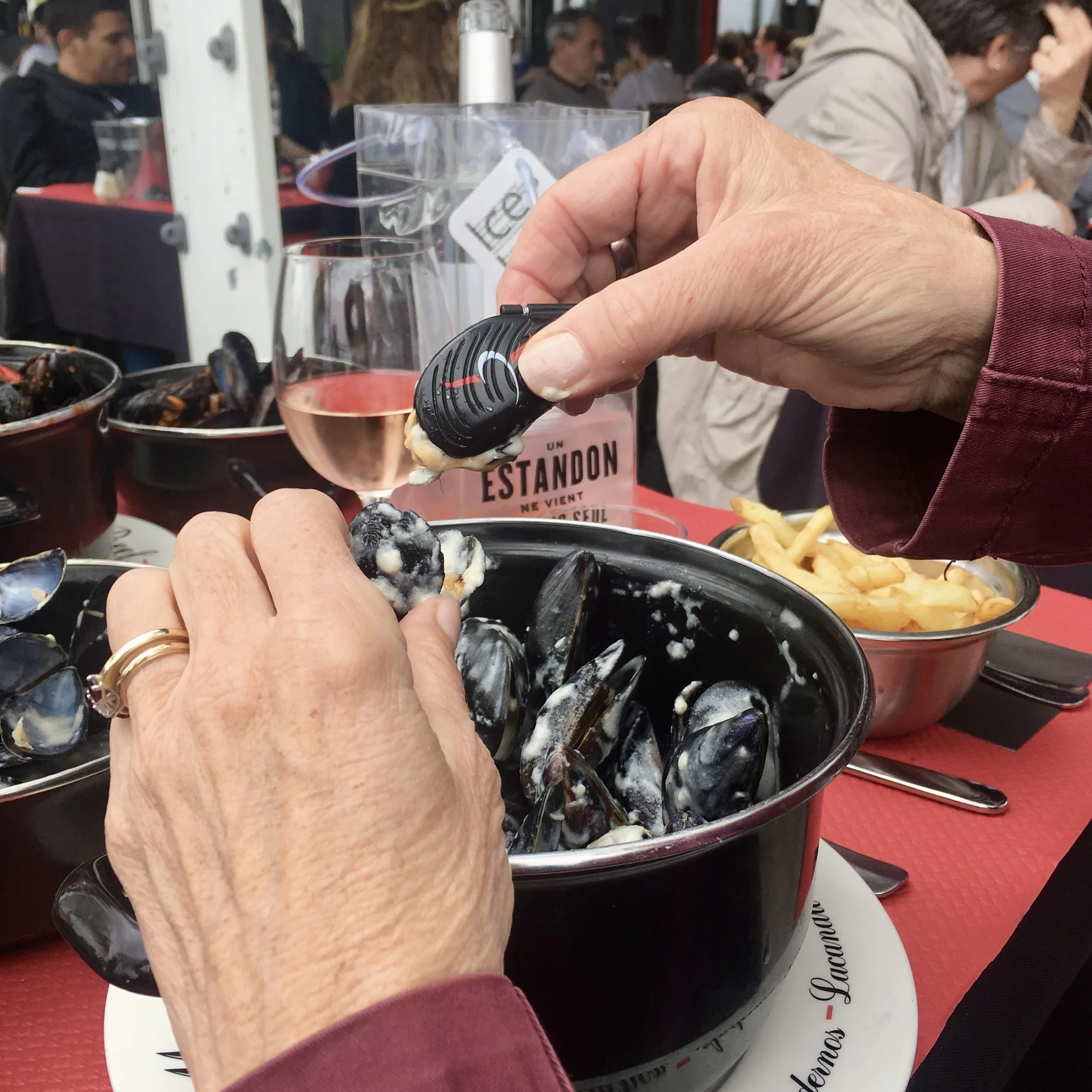
A souvenir “bivalve” utensil bearing the café’s logo . . .
However, our favorite Southwest spots on the Cote de Basque—the 100 mile section of coast that stretches from Bayonne, France to Bilbao, Spain—are not just about beachgoing. Each has a singular beauty, history, and enchantment. From the mountain high sand dunes of Arcachon and the rocky coastal paths of Biarritz, to the endless walking beaches of Soorts-Hossegor and the colorful fishing port of Saint Jean-de-Luz, we have discovered a variety of visual, aromatic, and tasty treasures. Their historic streets and extraordinary natural environments have the power to transport me, once again, to another place and time. Maybe recapturing that childlike wonder and exhilaration is the greatest benefit of a summer escape—wherever one finds it.
Click the link below to visit these Basque seaside beauties.