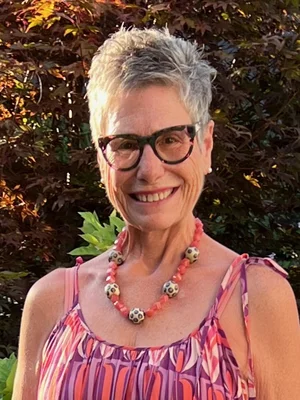
Live Like Locals
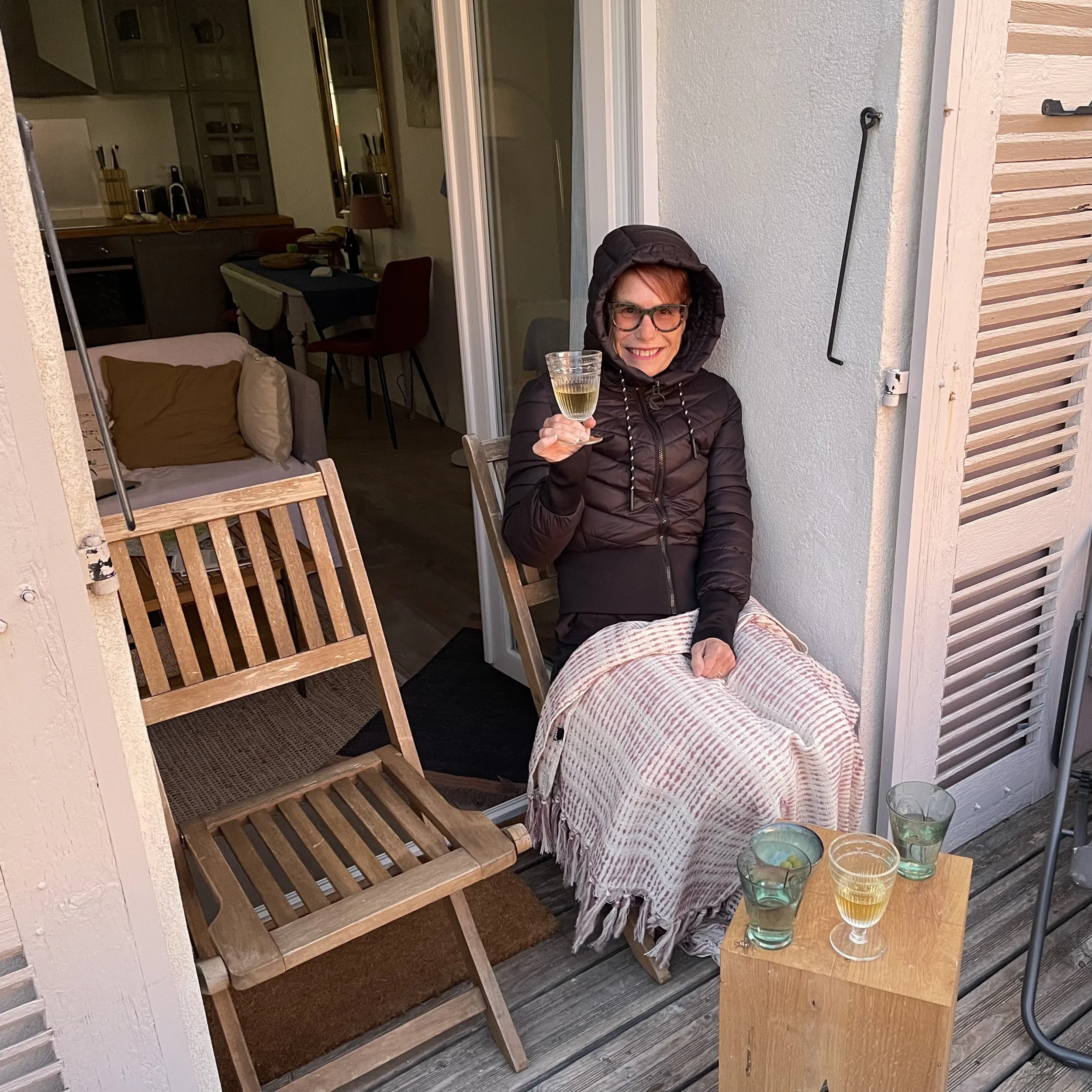
Living like a local in the Ardeche, regardless of the temperature!
Long before Airbnb ruled the world of vacationers and digital nomads, JB and I were inclined to choose apartment accommodations over traditional hotel rooms. Though hotels make sense for short-term stays, longer stretches can mean inconveniently timed room cleanings, eating most meals at restaurants (too much for our bodies and budget), and generally limited comfort for crashing between activities. Apartment rentals help avoid these issues and unlock opportunities to stay in residential neighborhoods versus popular, and often overcrowded, tourist areas. We love shopping in local markets and preparing our own meals, scoping out which cafés and restaurants draw local “regulars,” and discovering public parks whose monuments and manicured gardens aren’t immortalized in coffee table tomes. The advent of the internet has made it much easier to investigate the geographyand demography of a location before selecting our home-away-from-home.
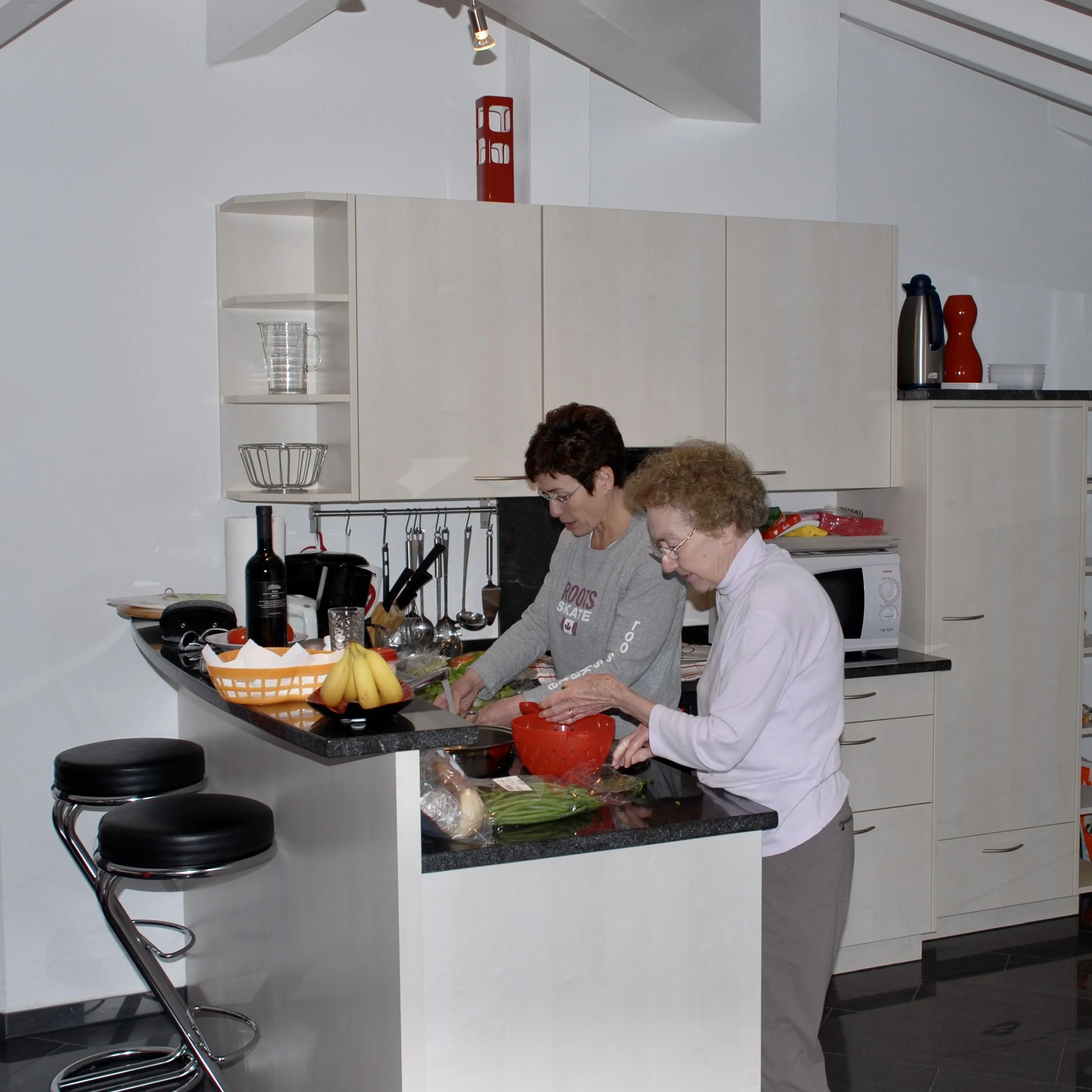
Preparing dinner with Mom in Zermat, Switzerland apartment, 2008.
The local perspective…
Once we arrive at a new destination, we often take advantage of local guides, sometimes “gratis” volunteers, whose perspectives and contacts are invaluable for exploring beyond a guidebook hit list. We spent an especially memorable day with one of these volunteers on a trip to the historic city of Beziers in Languedoc: a coastal region of France extending from Provence to the Pyrenees Mountains and the border with Spain. We had friends from the US in tow and wanted help introducing them to our favorite city base for wine tasting in the region. Our guide Liliane tailored the day to our interests, driving us around historic sites and to antique shops. Her local clout scored us lunch at “La Maison de Petit Pierre,” where I had tried in vain to secure a reservation a month in advance. We even met the chef, Pierre Augé, famous for winning the French edition of “Top Chef” in 2014. https://www.facebook.com/augepierre/
Best of all, was Liliane’s suggestion to visit “Domaine Pradines Le Bas,” a gorgeous olive growing estate and oil mill surrounded by 300-year-old cedar trees, just outside the city limits. The owner, Francine Buesa, is passionate about her fruit and the arts. Before tasting the delicious products, we wandered around her collection of monumental kinetic sculptures on the grounds and through the contemporary art gallery inside, where she rotates the work of local artists on a regular basis https://pradineslebas.com/. Whenever we return to Beziers, we replenish our stock of her olive oils. Local guides have also enriched trips to Portugal and Spain, introducing us to places and activities we would not have discovered on our own. We’ve found them through GetYourGuide, Viator, and Withlocals, as well as office of tourism websites (easy to find with a Google search).
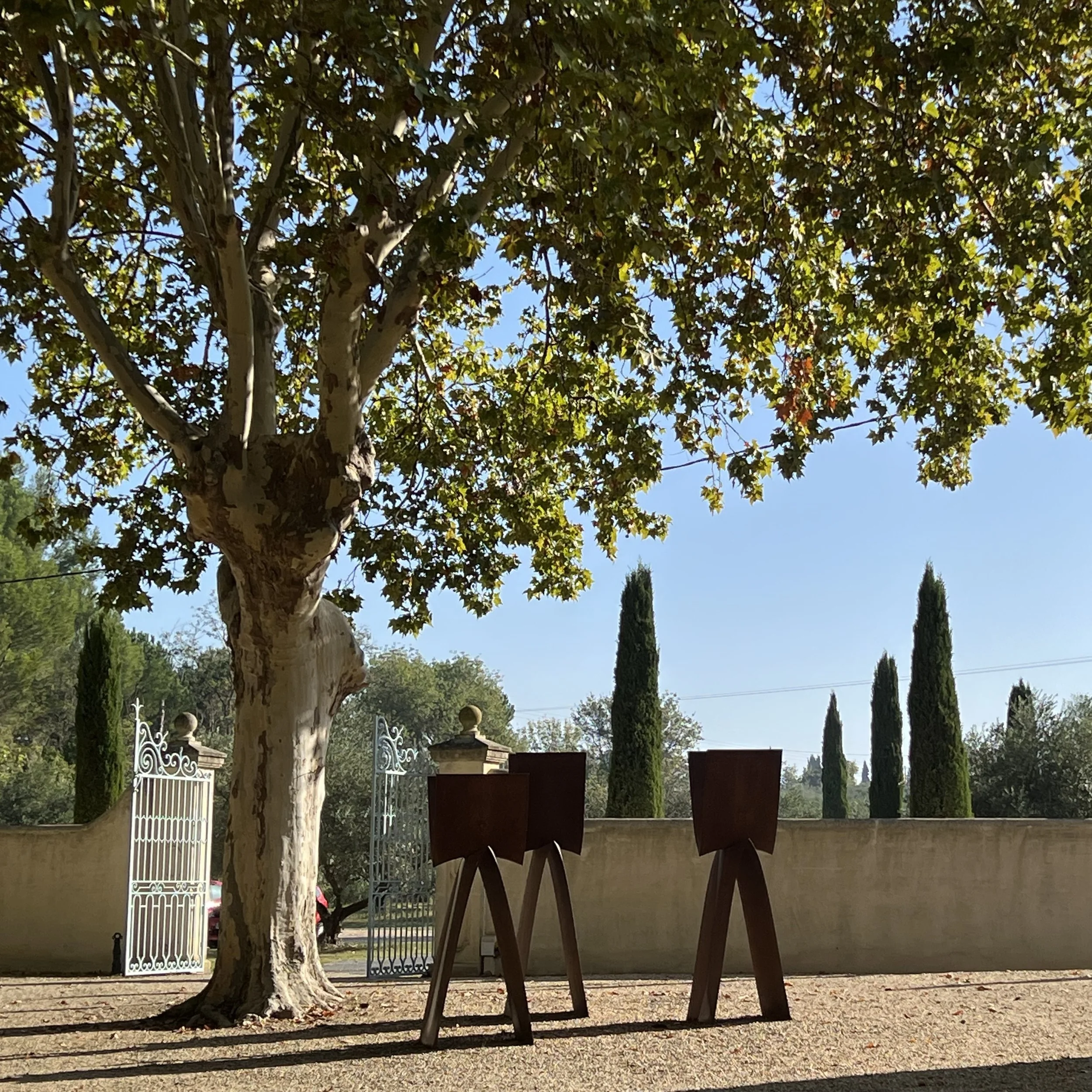
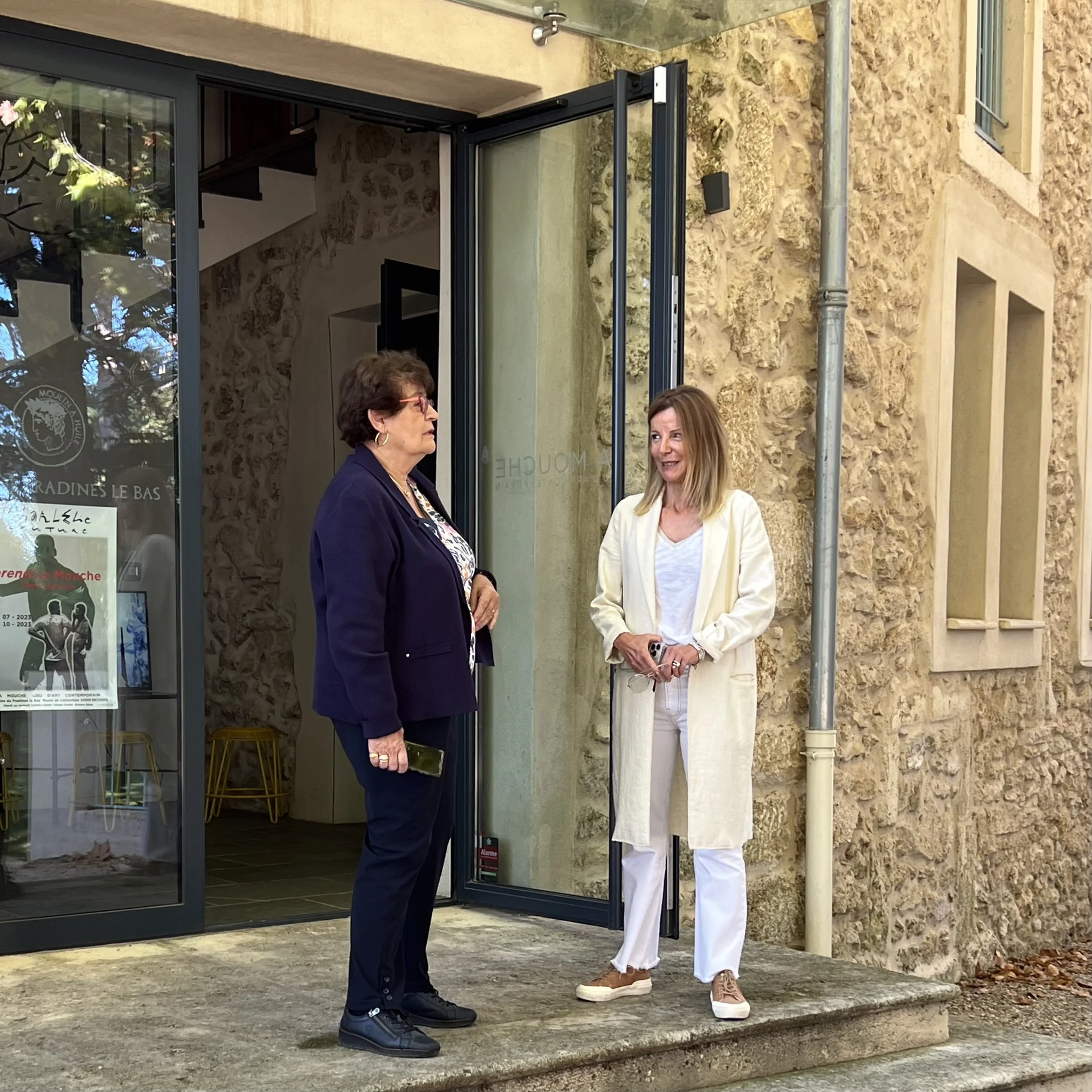
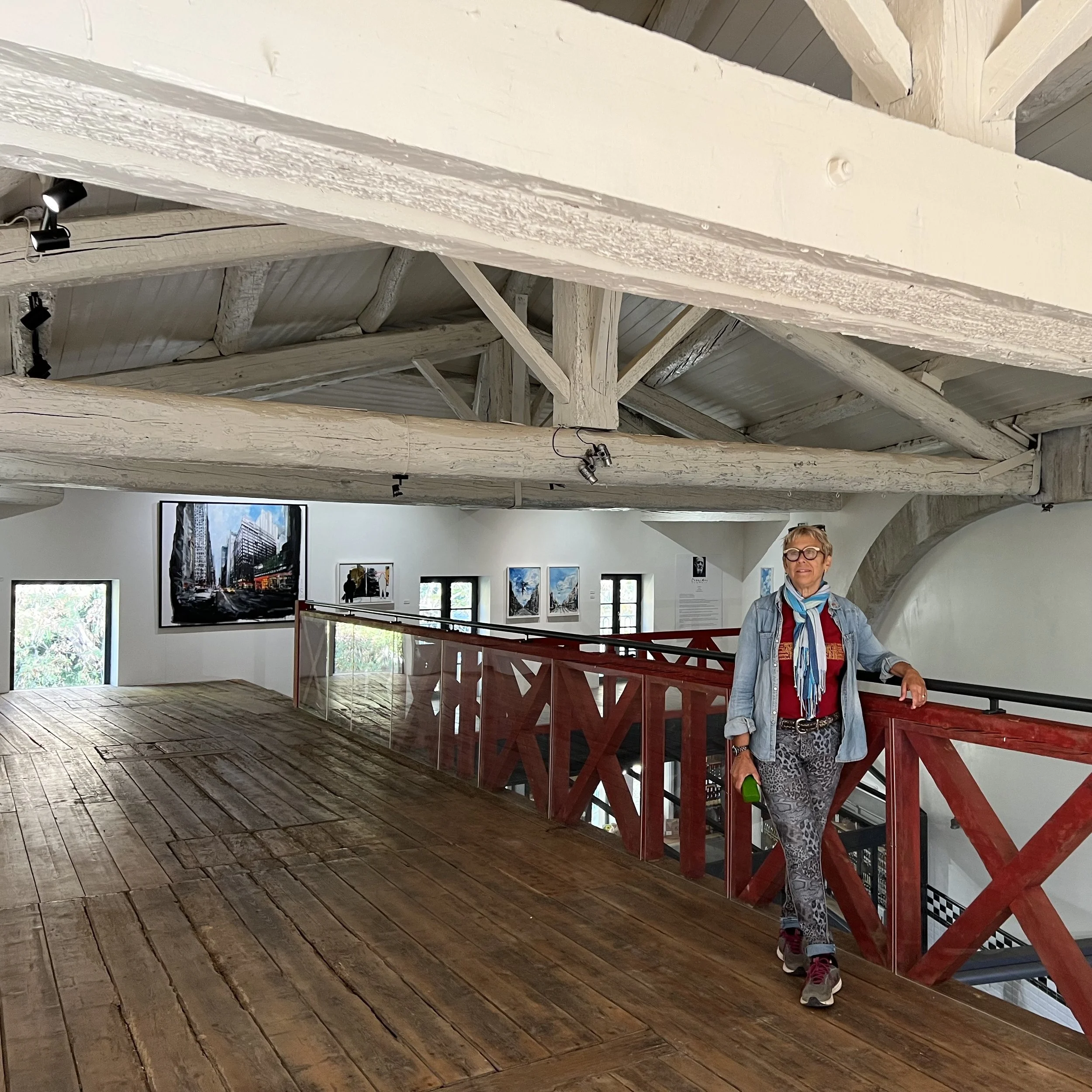
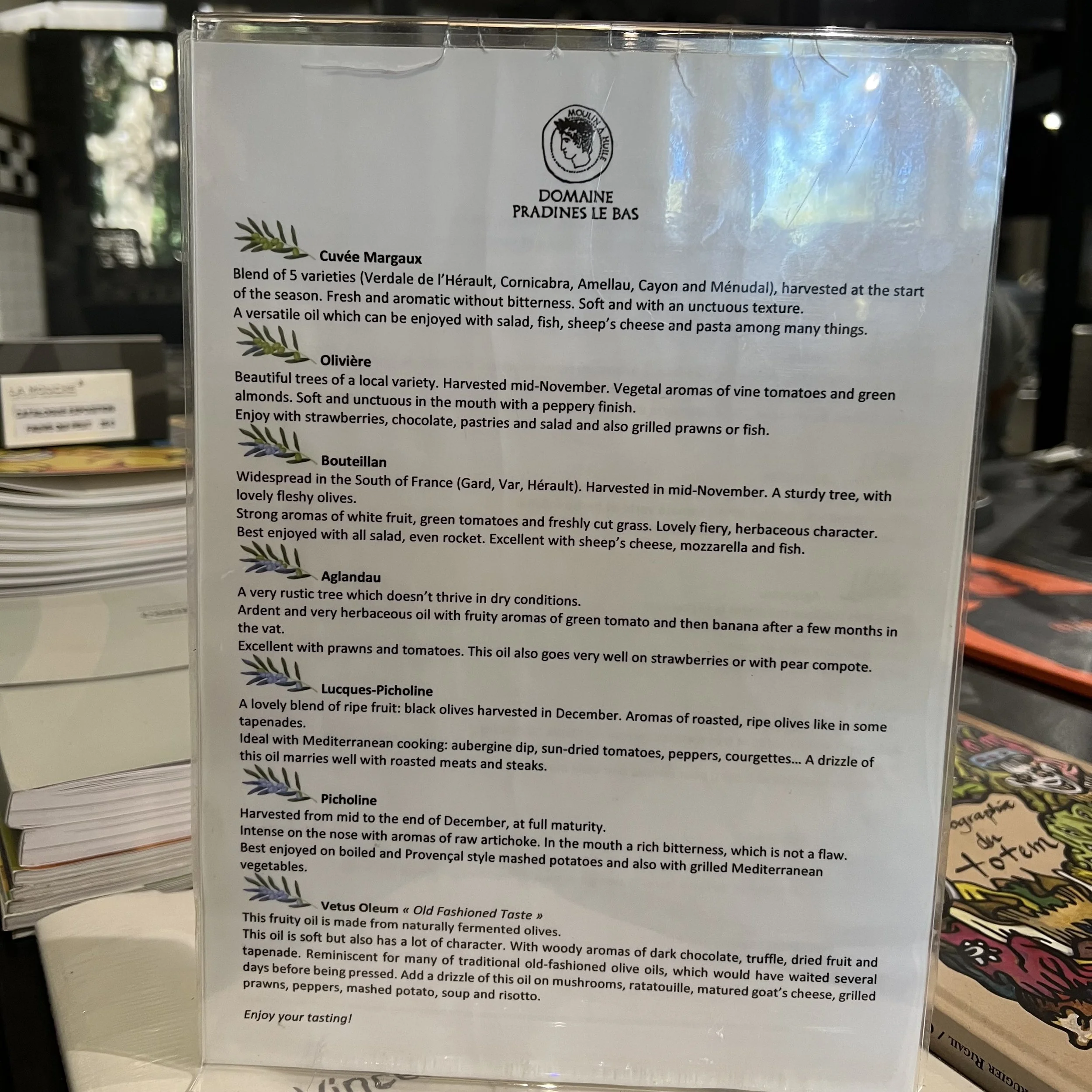
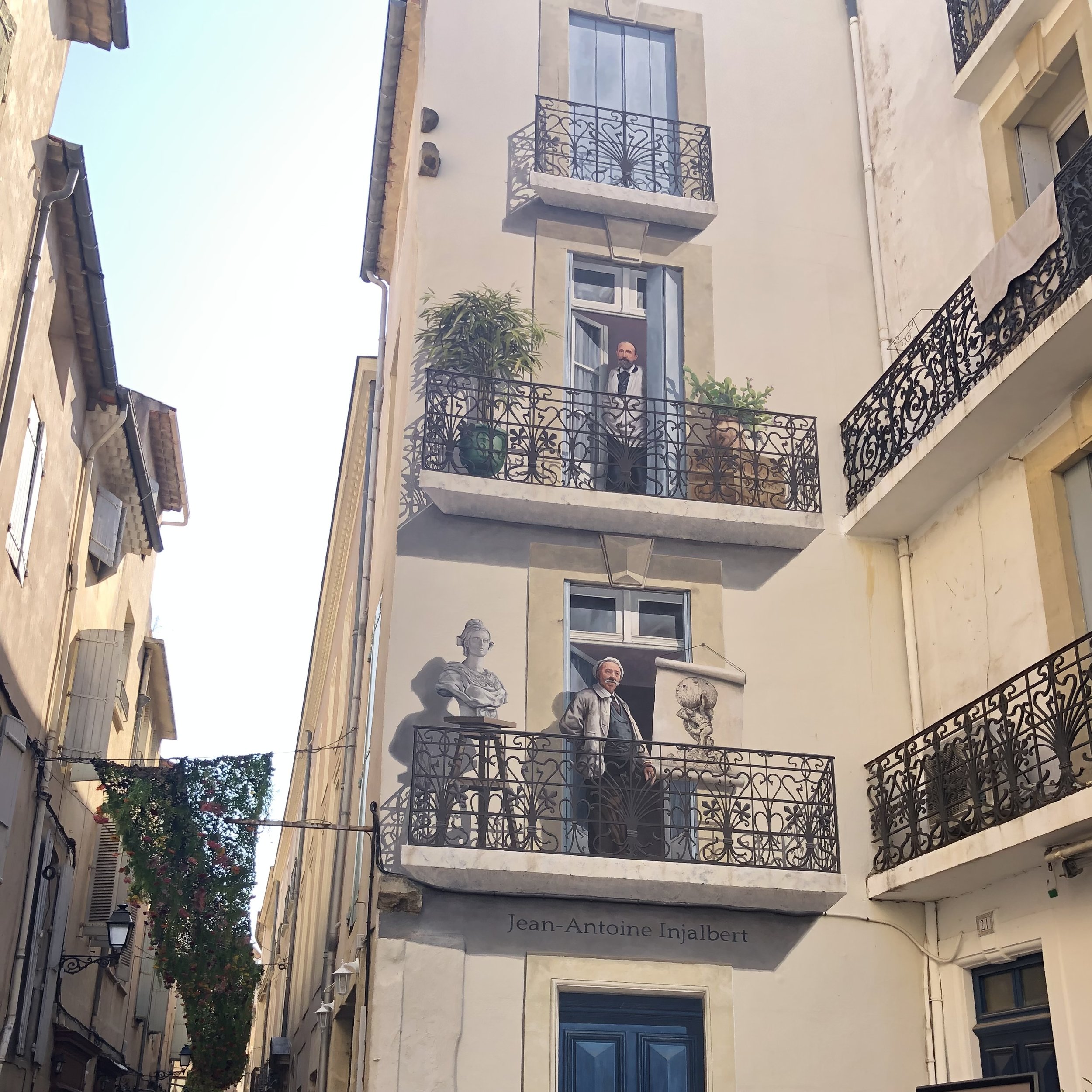
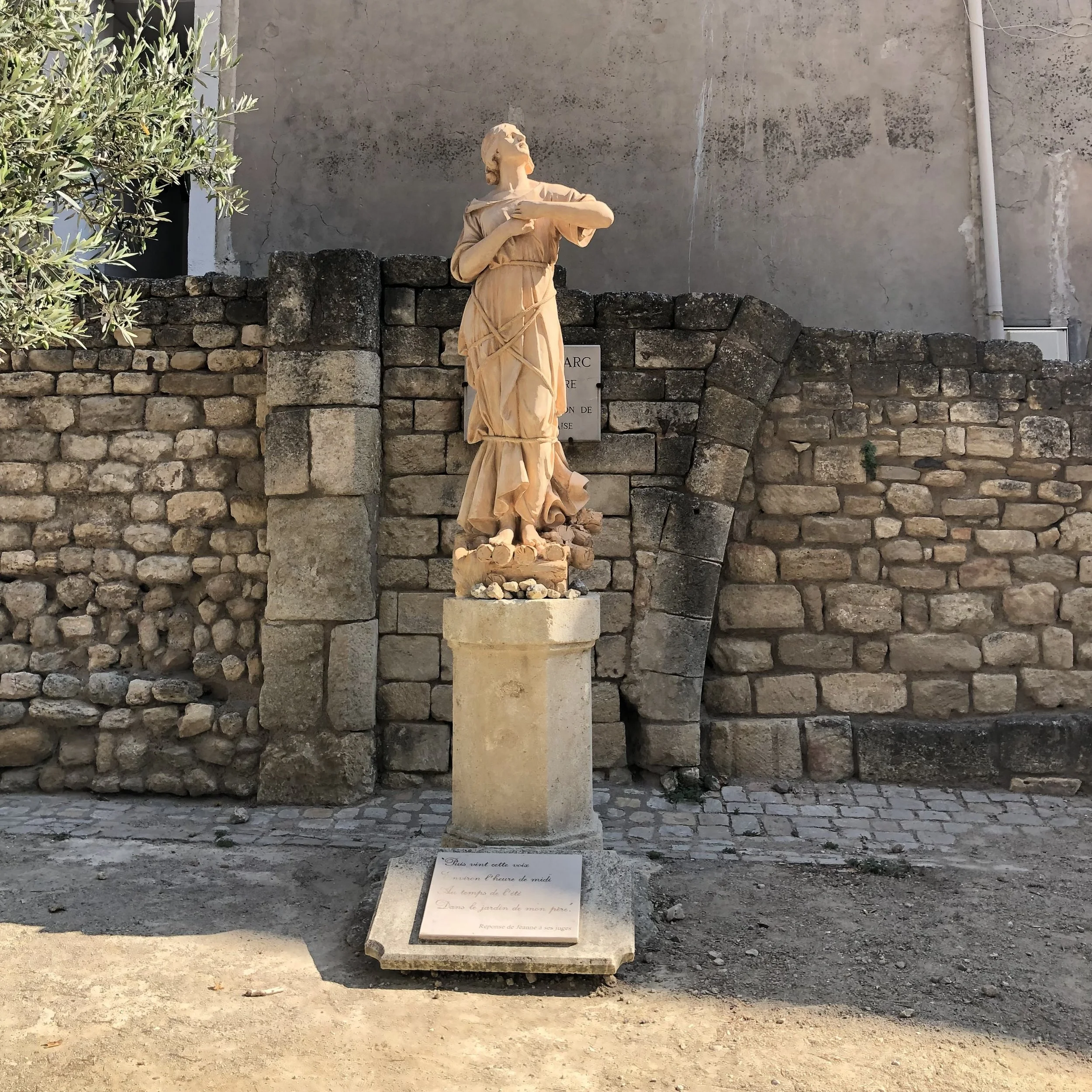
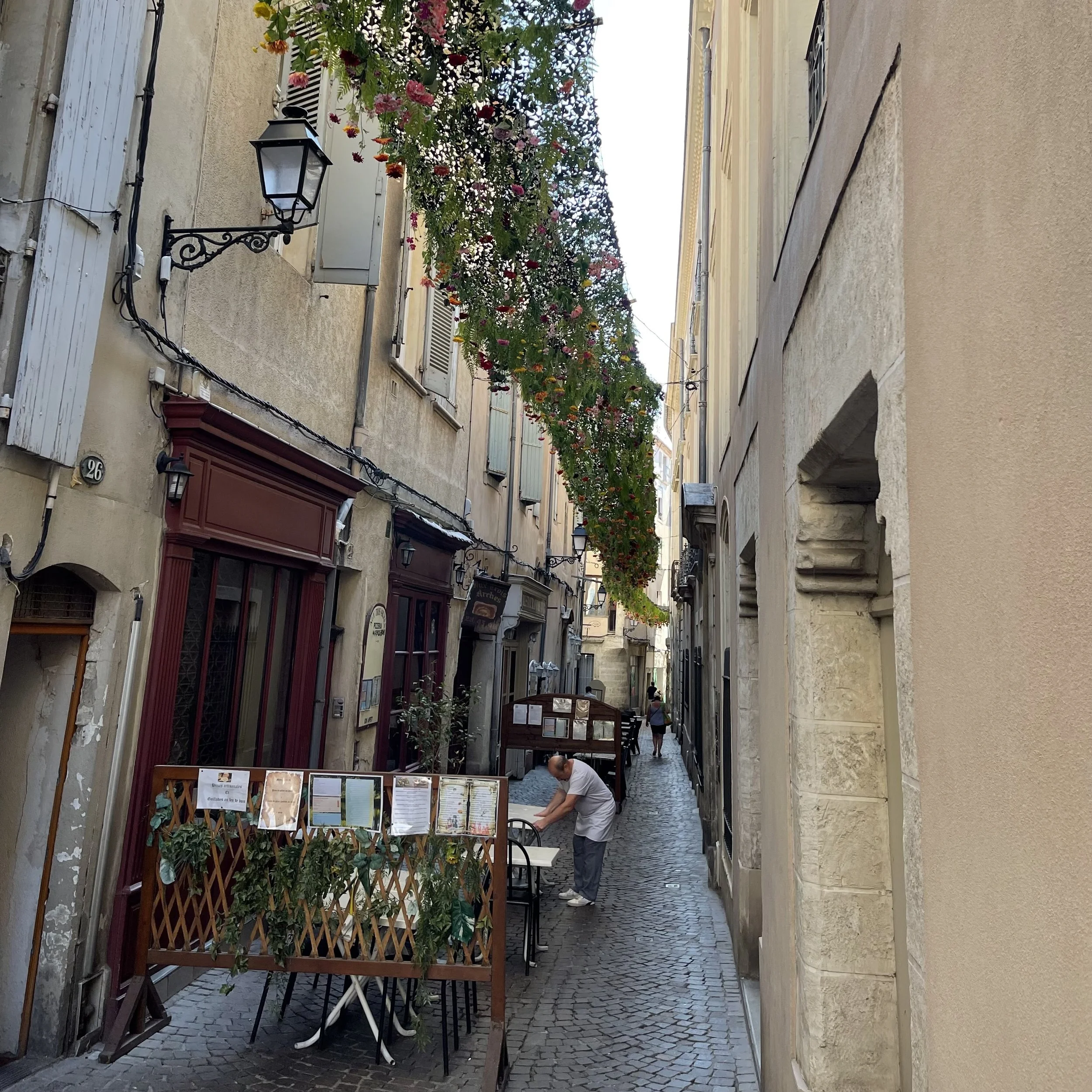
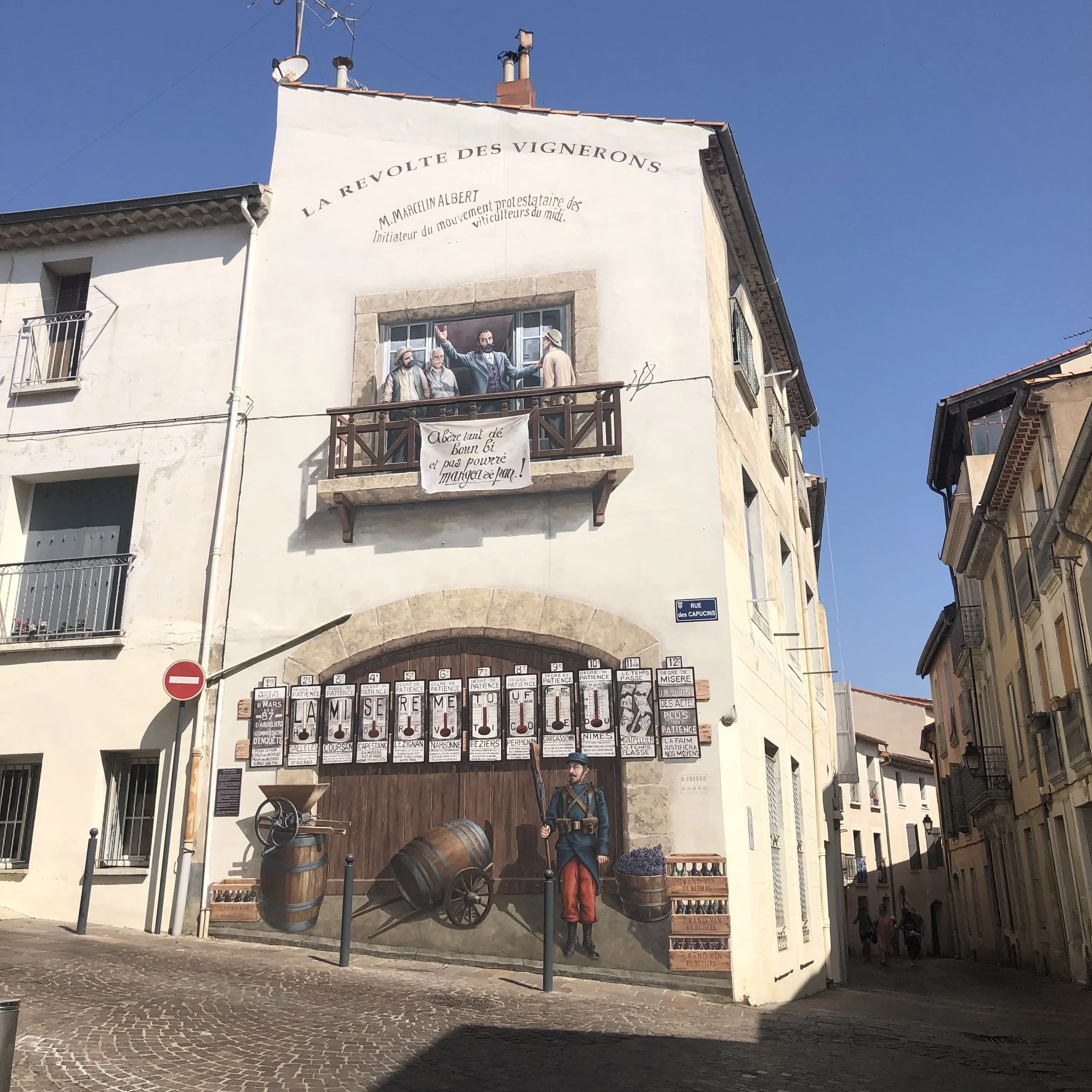
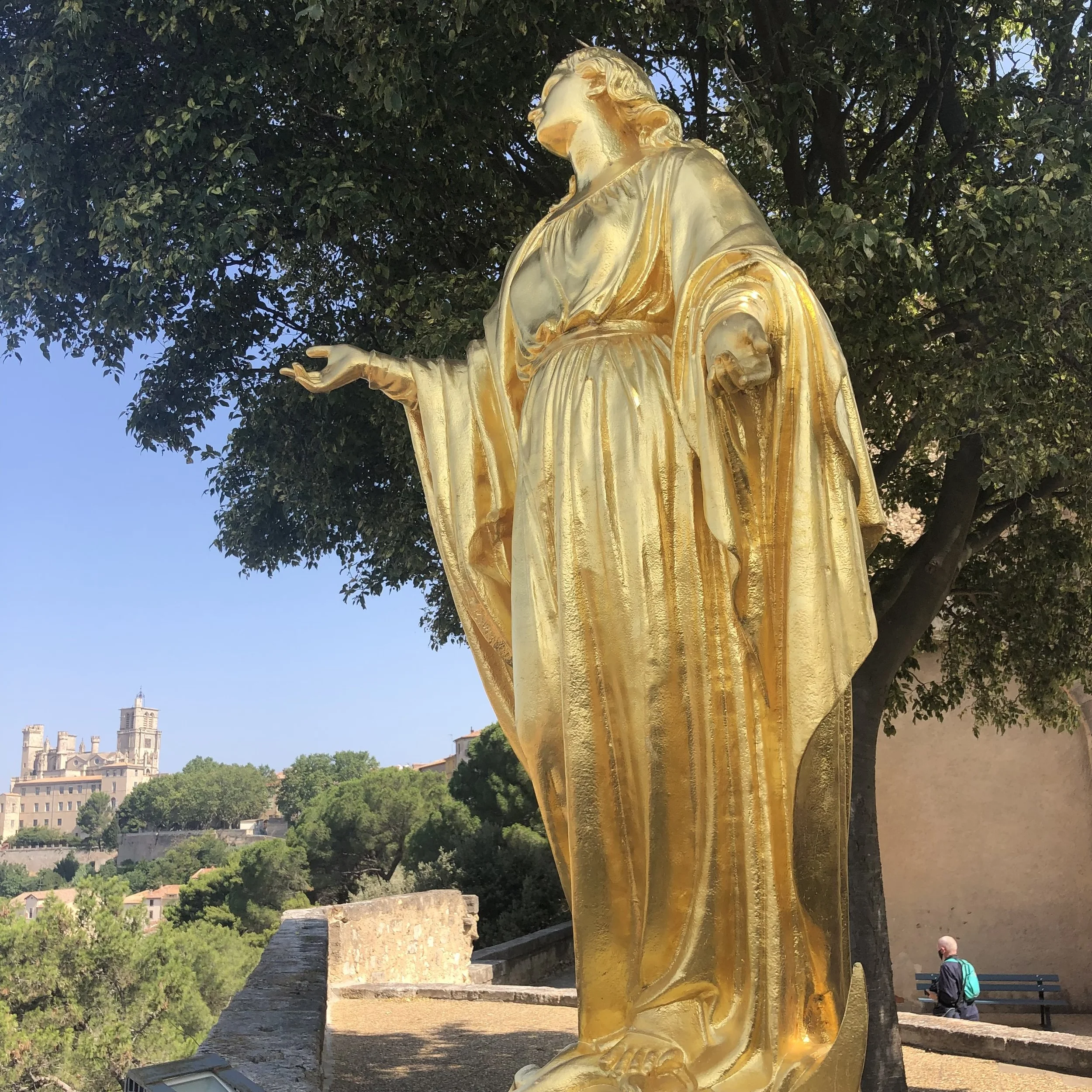
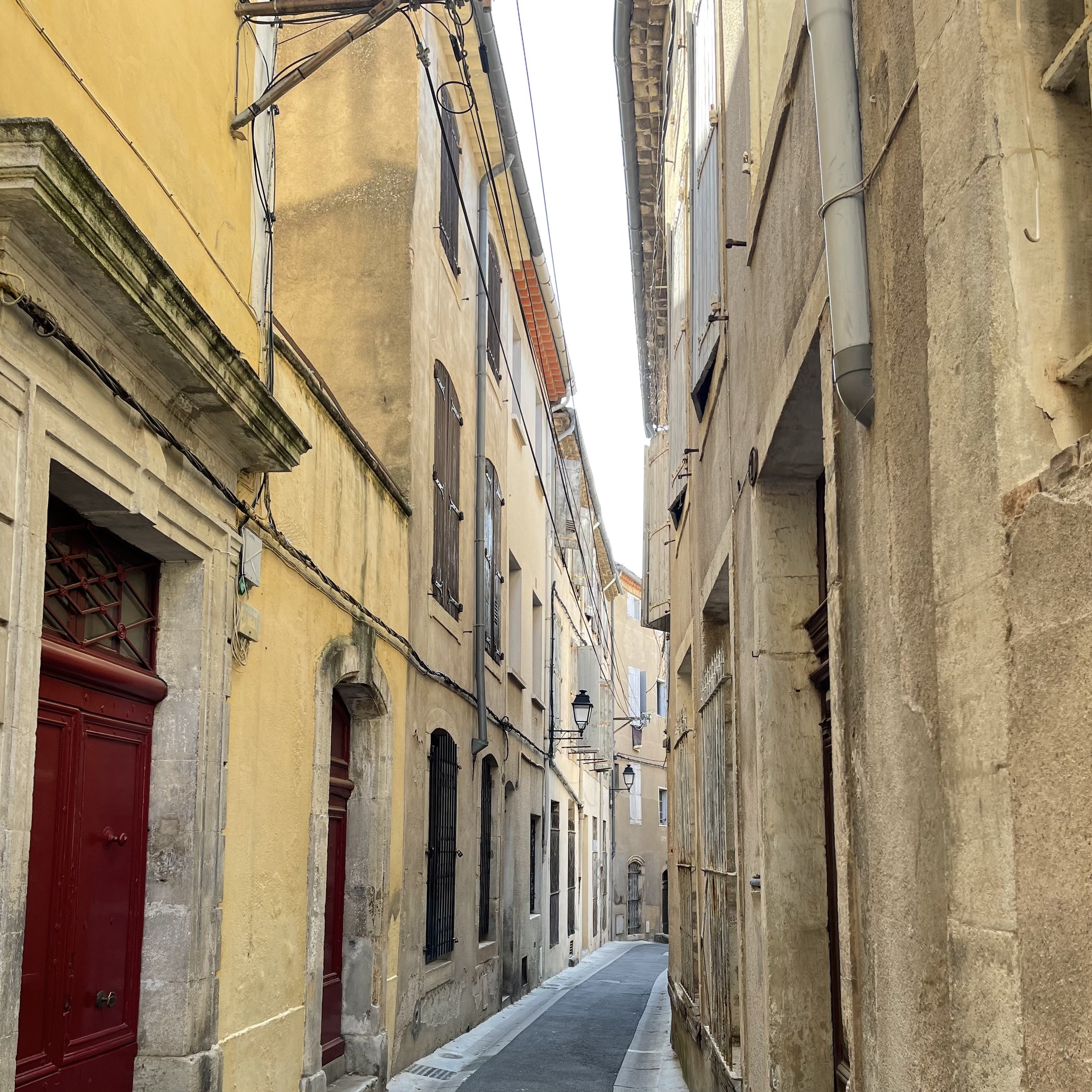
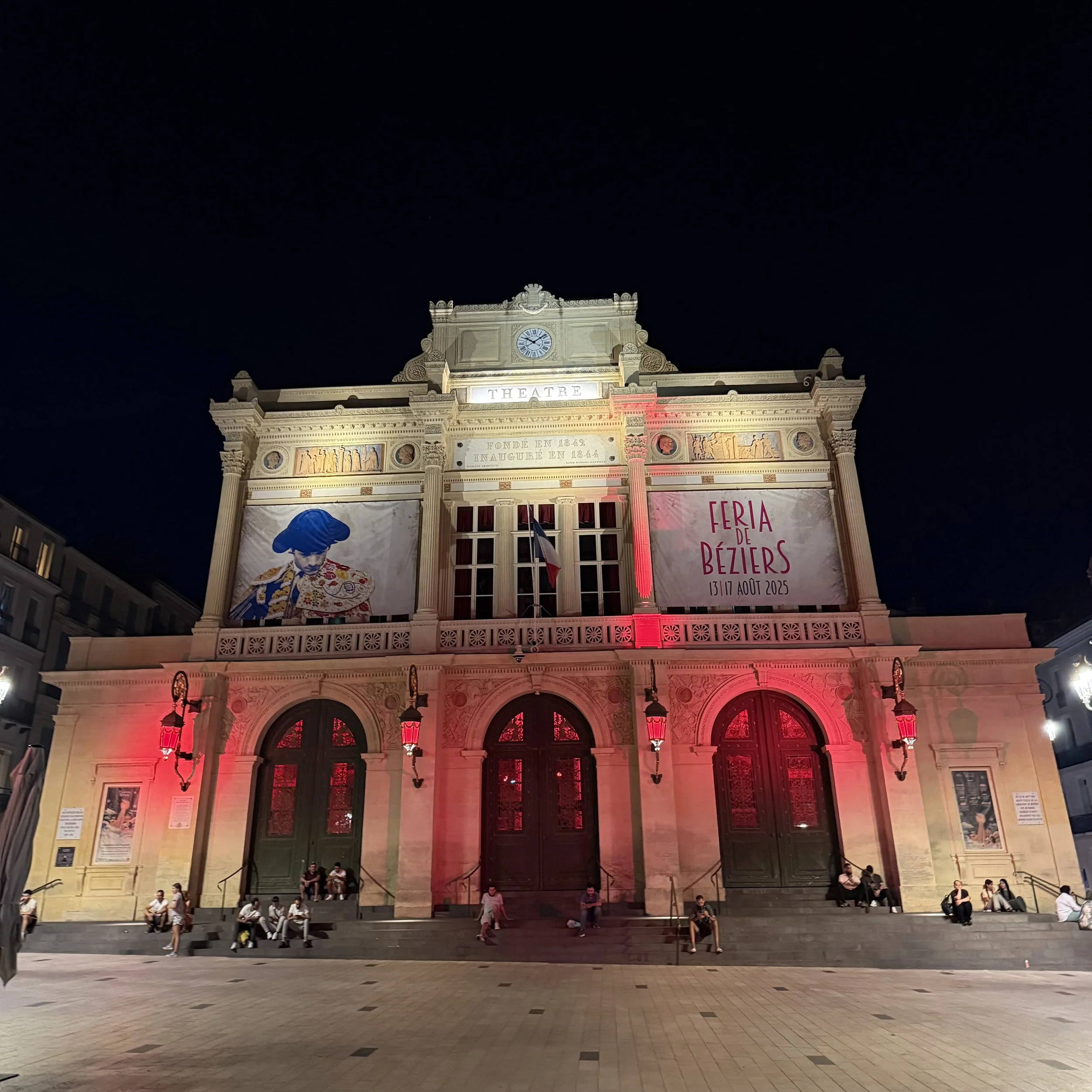
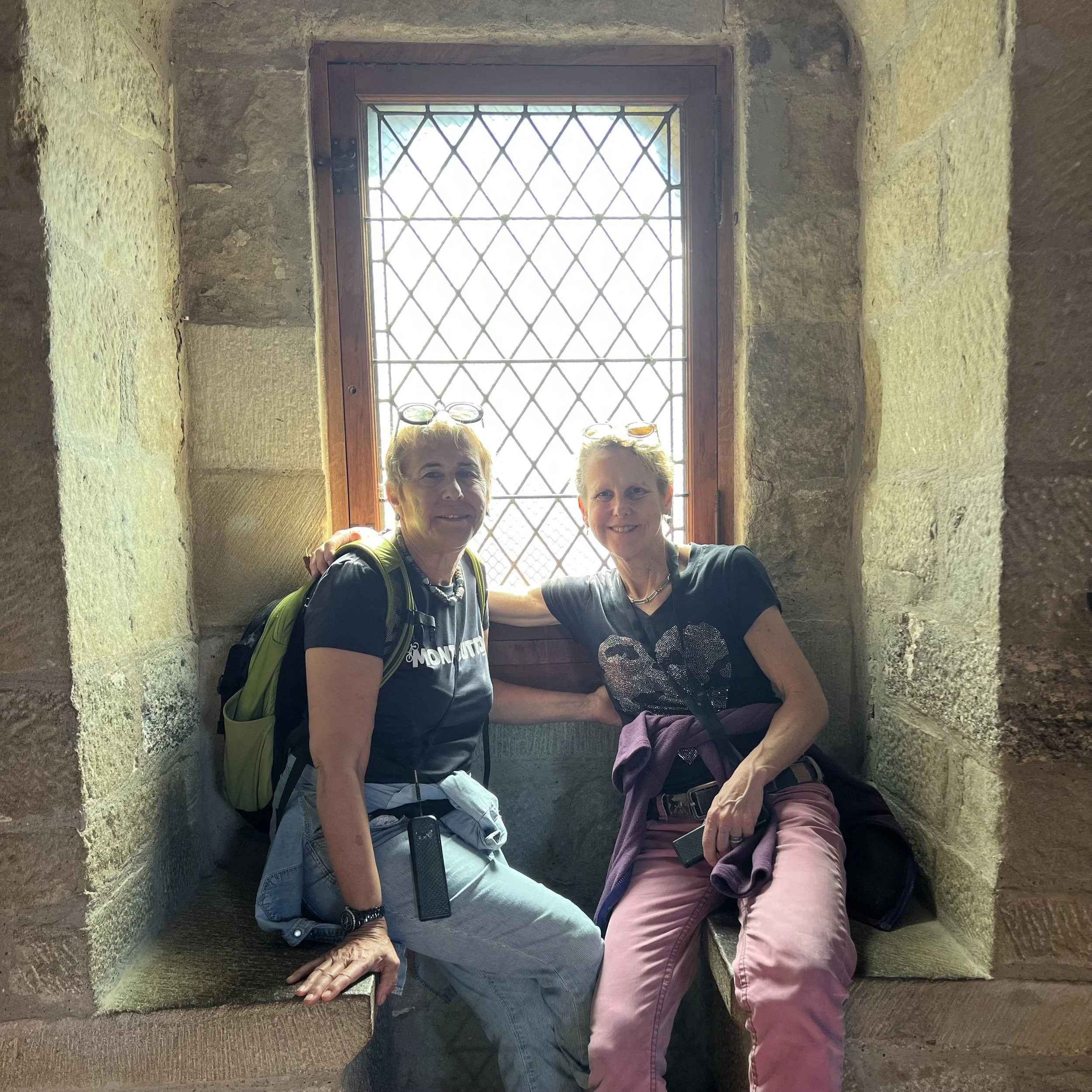
Beziers, France. Slide 1: Entrance to “Domaine Pradines Le Bas.” Slide 2: Guide Liliane (on left) with Francine Buesca. Slide 3: US friend Jane in the modern art gallery. Slide 4: Olive Oil “Tasting Menu.” Slides 5-8: Around Beziers. Last slide: Jane and Tricia.
One of the kinetic sculptures at “Domaine Pradines Le Bas.”
I could live here…
During forty years of travel together, we have consistently preferred “living” in a city or region to “visiting” one, even if only for a week or two. From the start of our joint travels, the declaration “I could live here,” was the highest accolade attributable to a new venue. That gut reaction continues to be a litmus test we instinctively apply to new travel destinations. It signifies a deeper connection, beyond pure appreciation of a location’s beauty, cultural interest, or historical significance. The downside of discovering such compelling places is that they beckon us to return repeatedly, sometimes at the expense of venturing somewhere new.
For about a decade, the continuous lure was closer to home in Nantucket, a small island off the coast of Massachusetts. The ferry ride from Cape Cod is just long enough to lose sight of land and be transported to another world, steeped in whaling history and blessed with wild beauty: pine forests, salt marshes, cranberry bogs, beaches, and bird habitats. It attained mythic status on our first visit, when JB orchestrated a surprise marriage proposal.
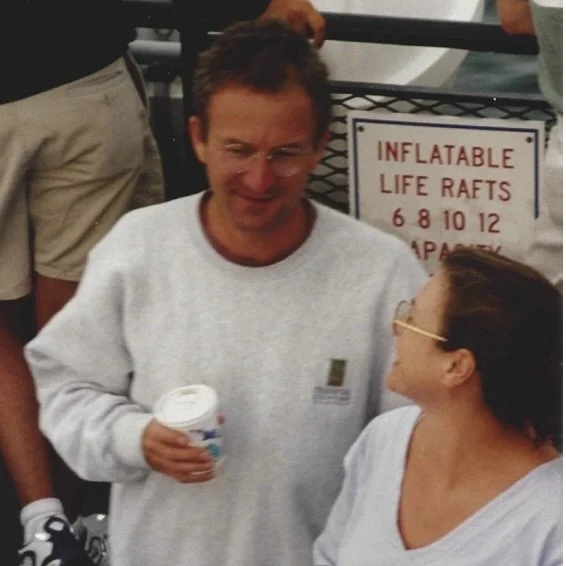
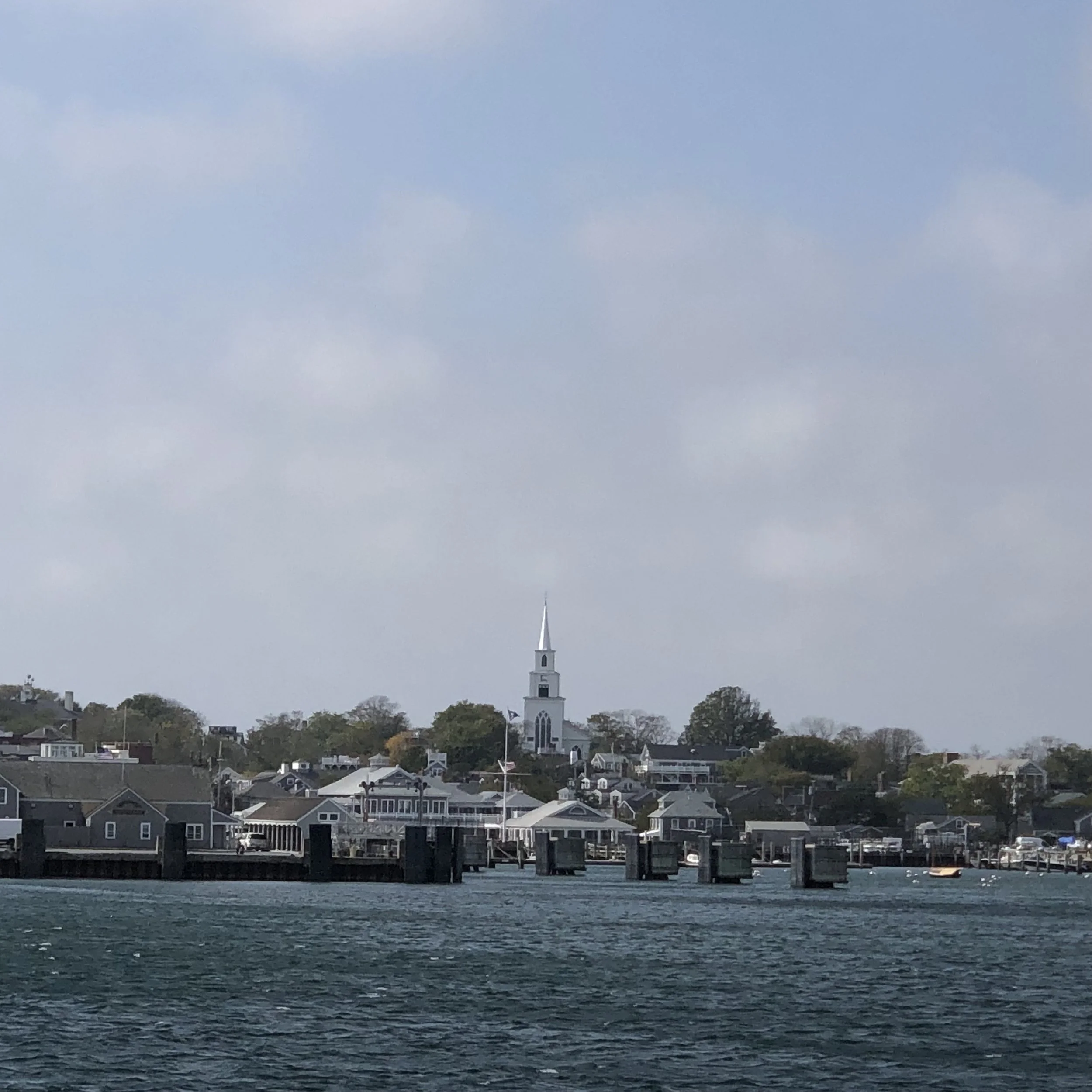
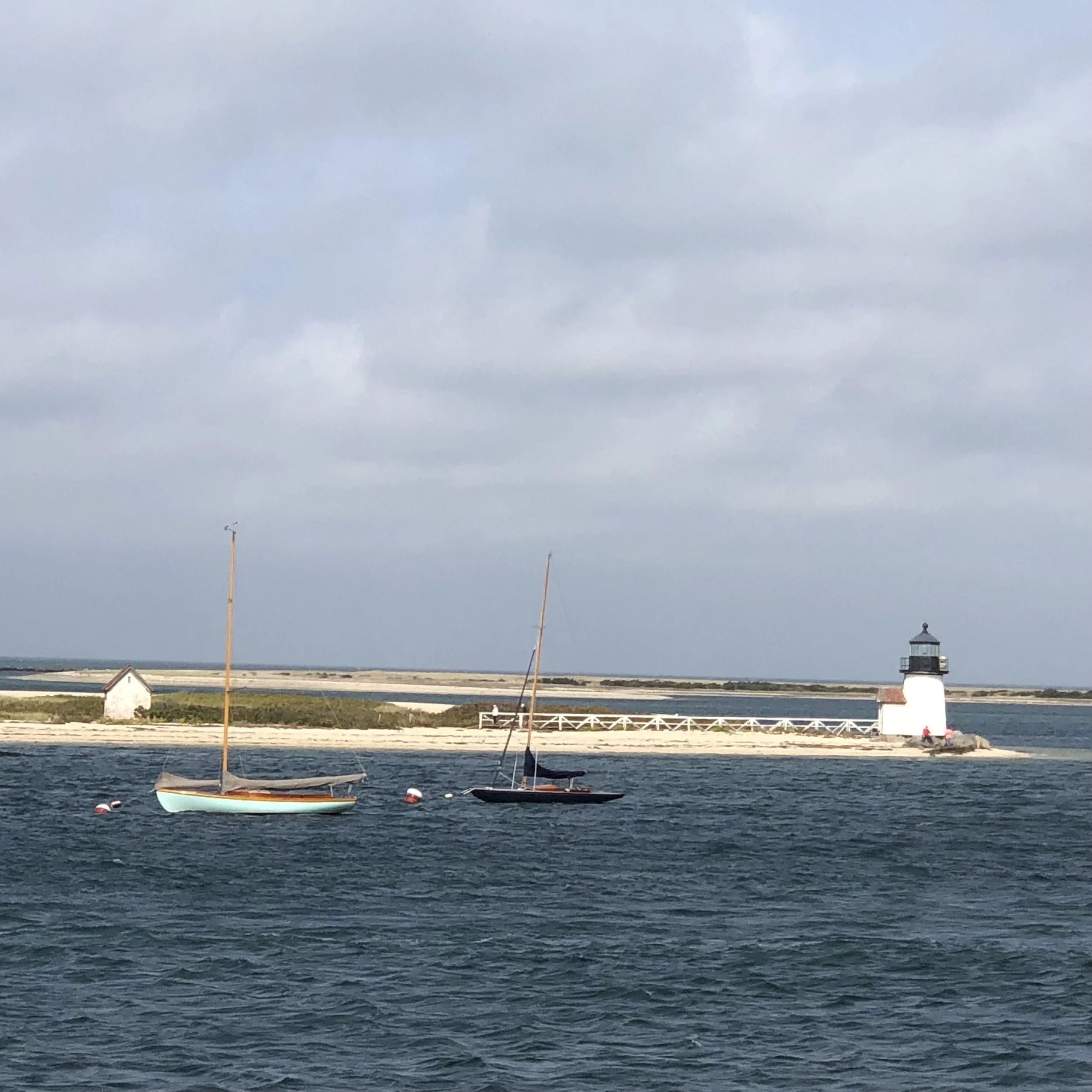
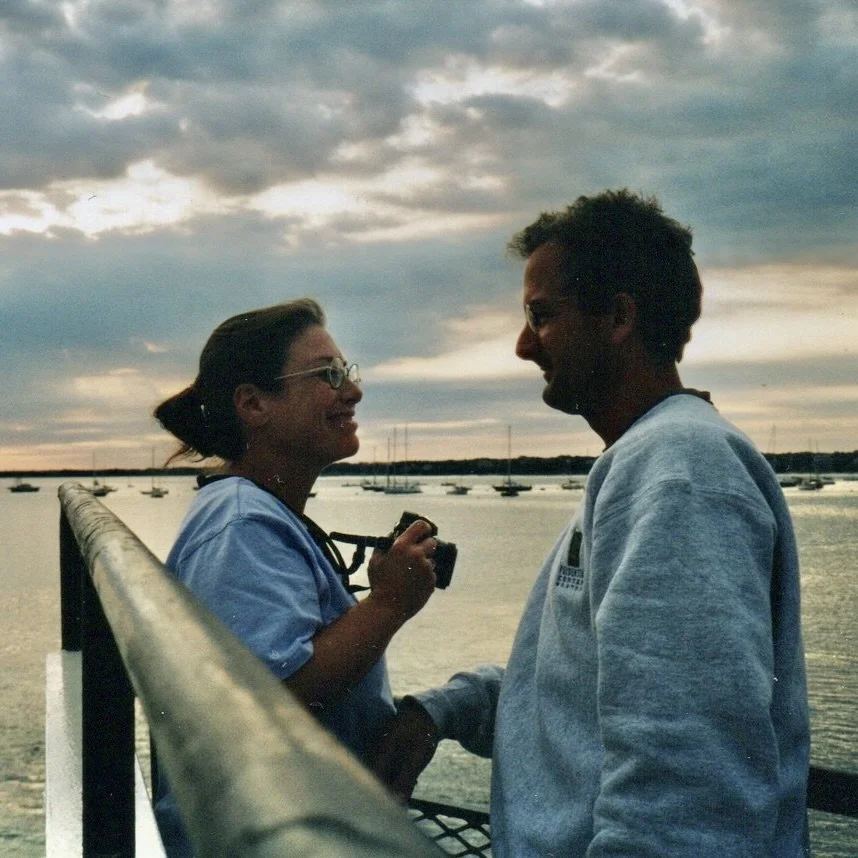
Arriving by ferry to Nantucket Island.
Bewitched by the island’s charms, we returned each year like it’s renowned Piping Plovers and nearly purchased a modest home with rental income and retirement potential. Ultimately, we decided not to risk our savings while I was starting my own business or to take on a second home that might become an anchor holding us back from other travel. When the cost of an island rental became equivalent to a European vacation (including airfare!), the scale tipped toward more travel abroad.
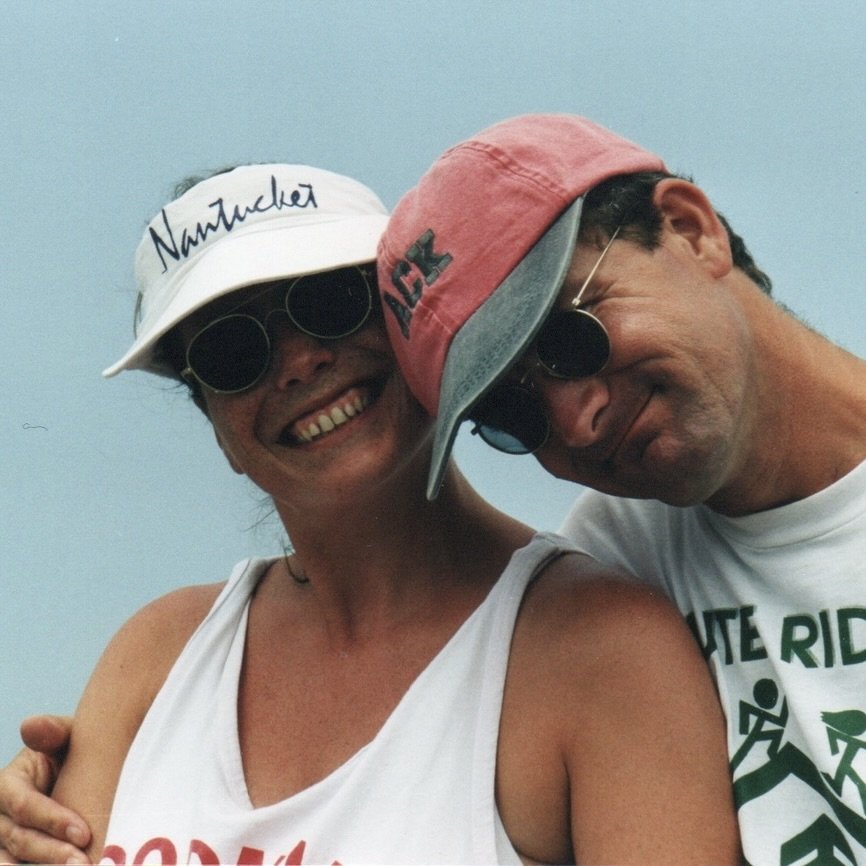
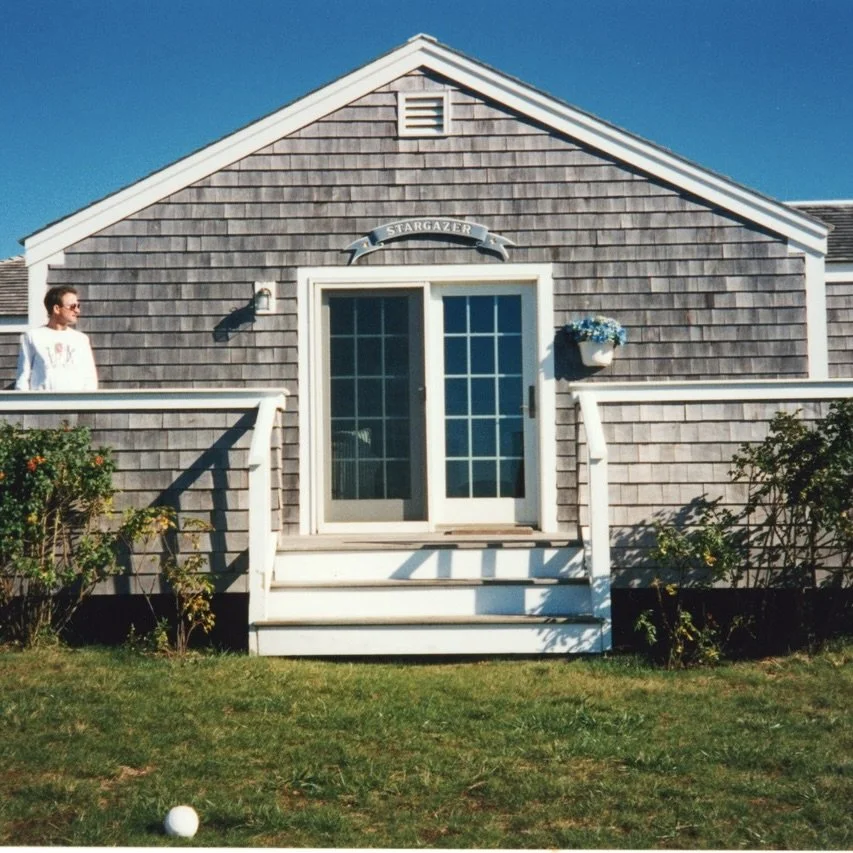
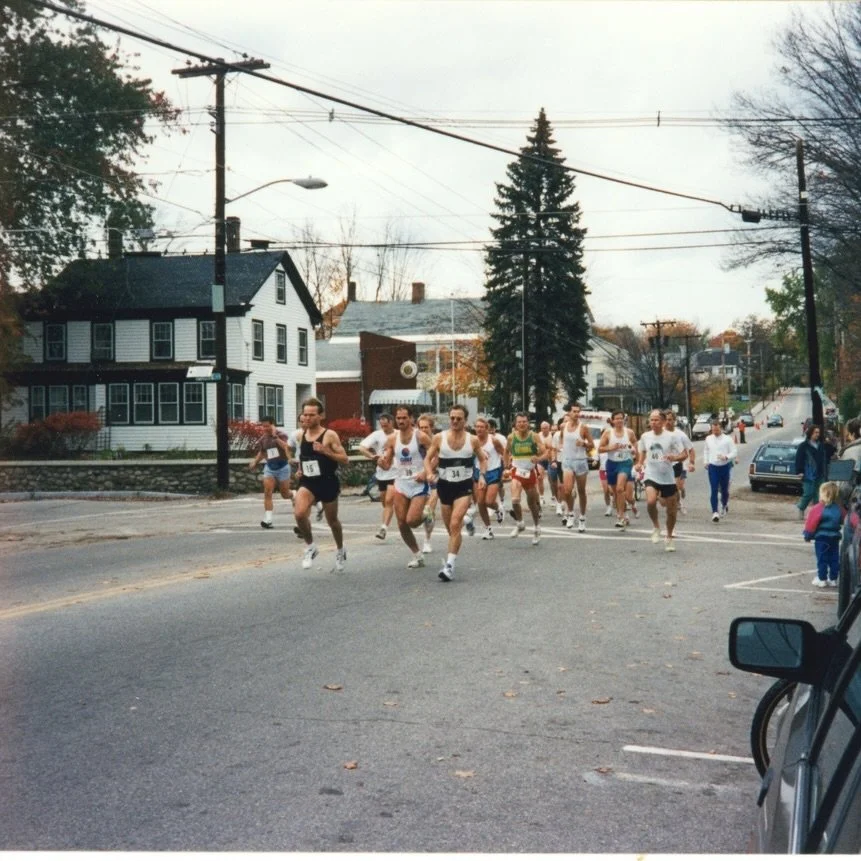
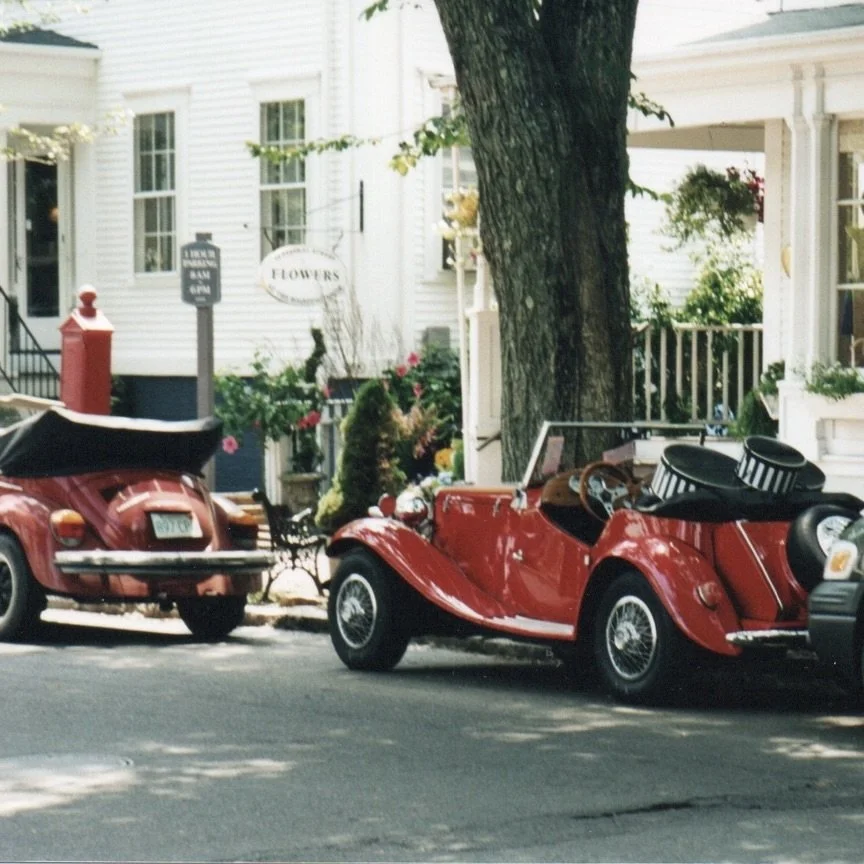
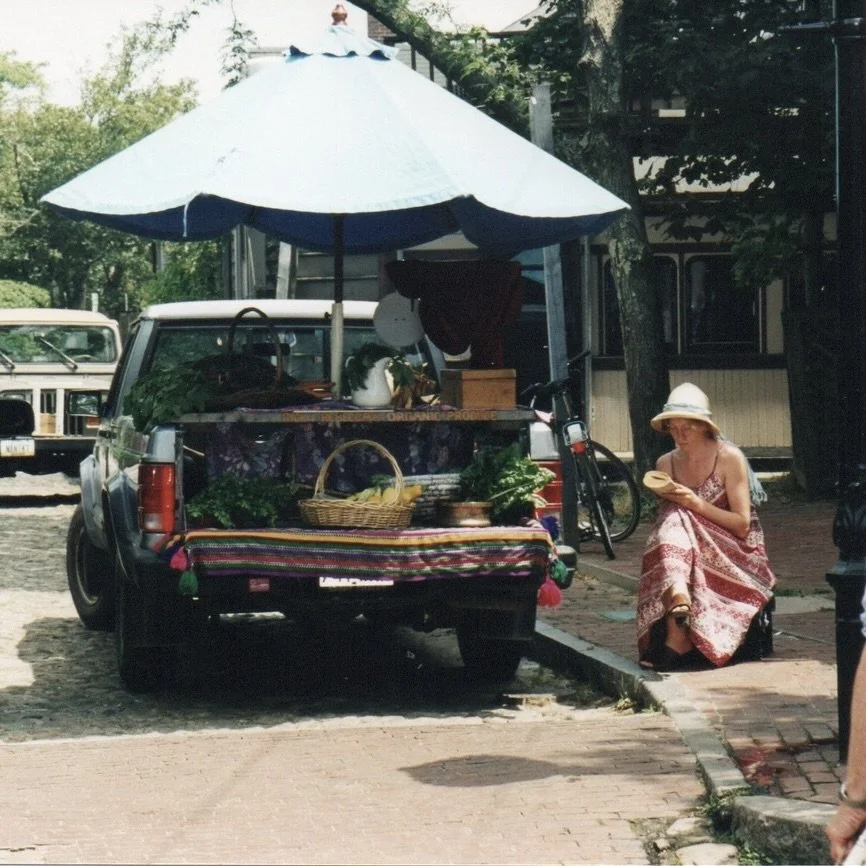
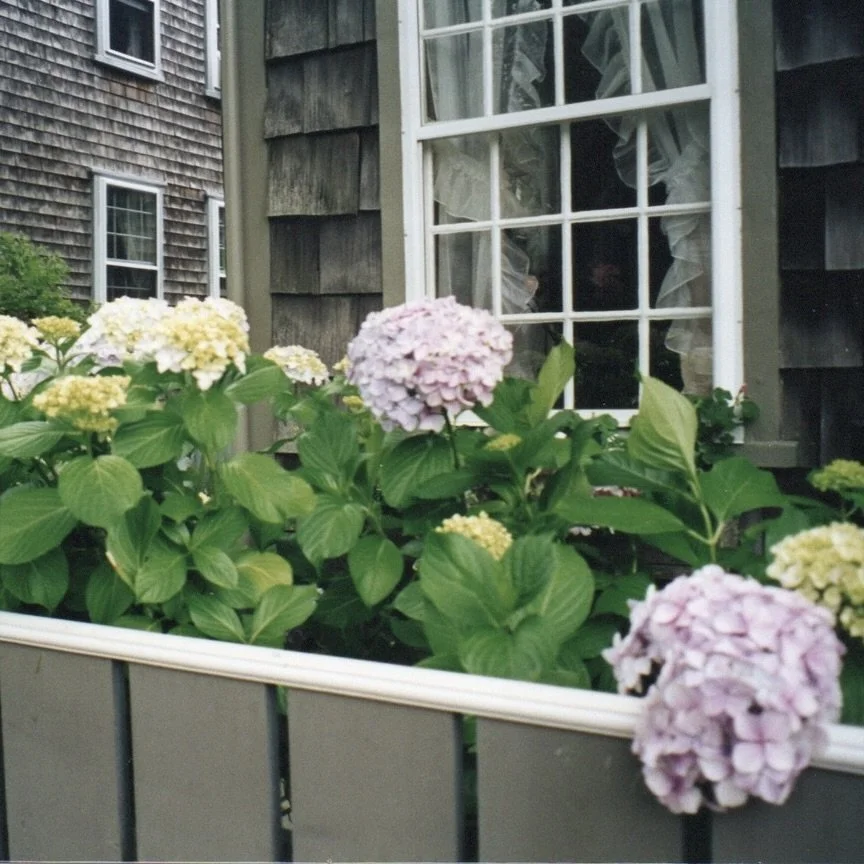
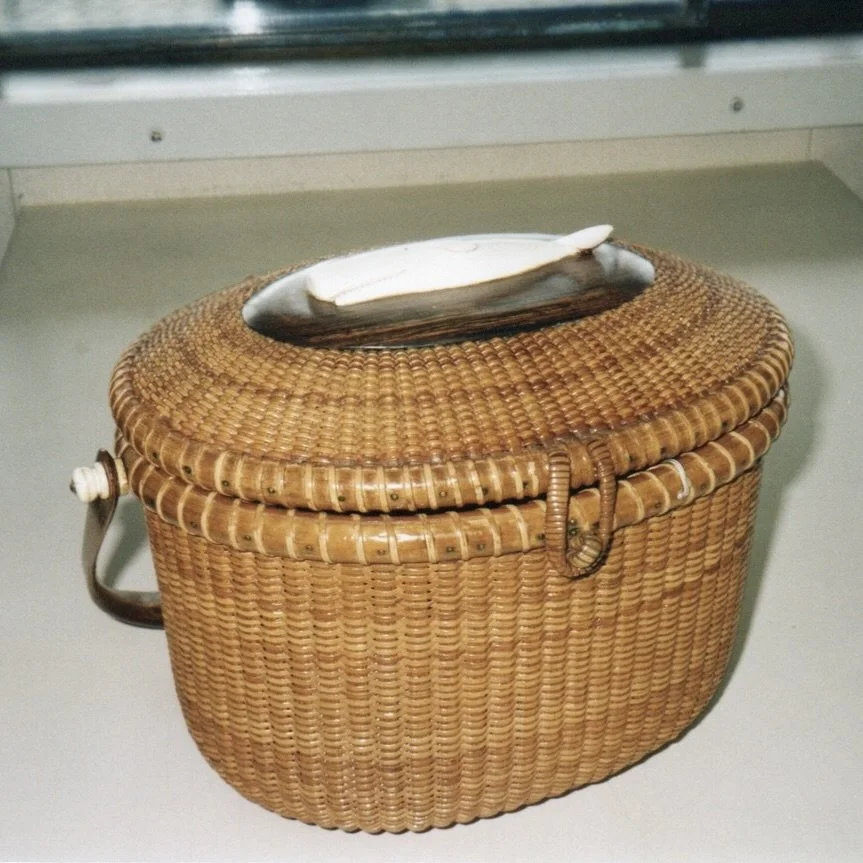
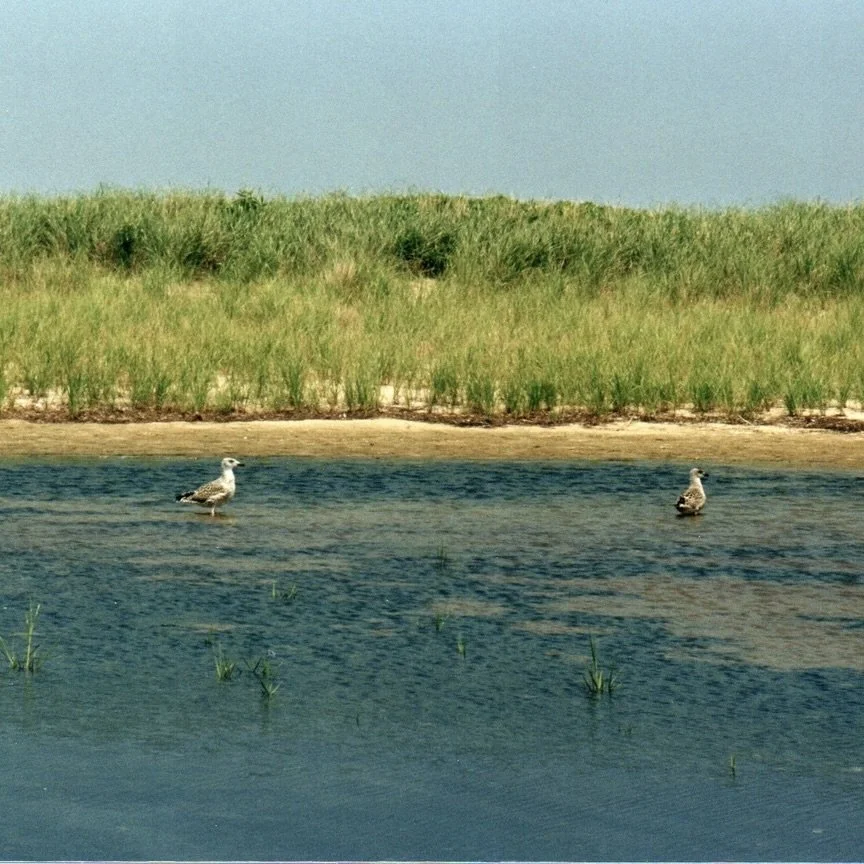
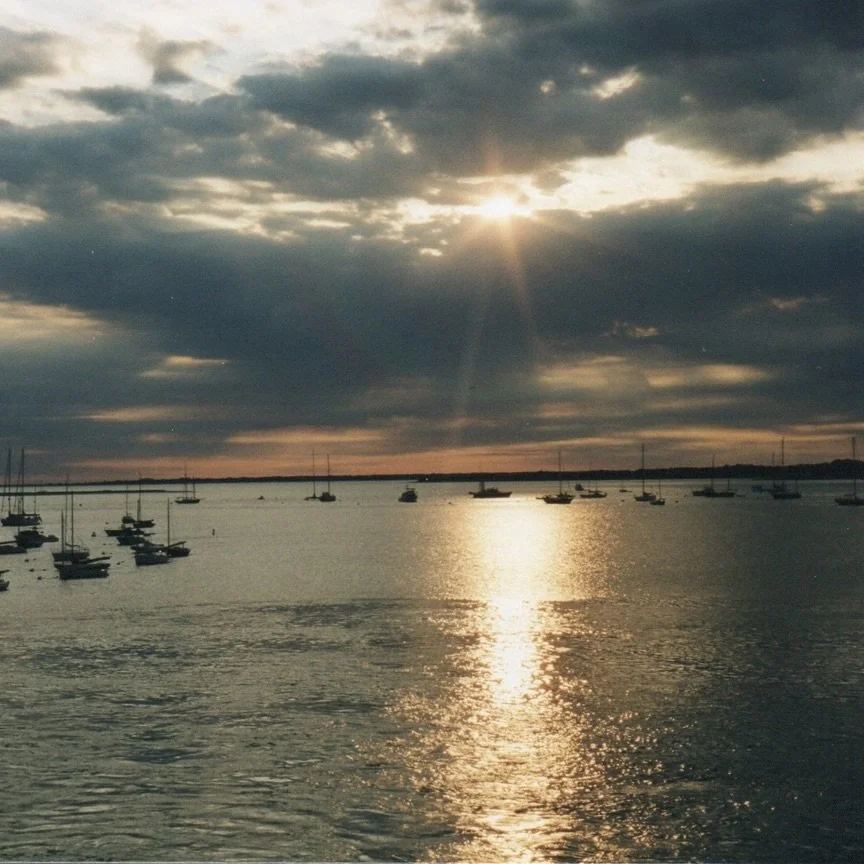
Living like locals & enjoying island charm in the 90’s. (Slide 3: JB leads the island race — #34 in front row far right.)
Other loves…
This initiated a long-term love affair with Switzerland, where we hiked or skied and ate too much chocolate and fondue. Our first trip was to the Bernese Alps, so that I could introduce JB to the Eiger, Mönk, and the Jungfrau. Back in my early twenties, I became enamored with the trio of peaks and can still feel the rush of my first encounter. After a long day of travel, packed in a van with college students from my alma mater, we arrived well after dark in the small village of Lauterbrunnen. Deep in the valley, with only the moon and stars to dimly illumine our way, we lugged backpacks and sleeping bags into the rustic chalet. The sleeping quarters, tucked under the eaves of its slate roof, offered rows of cots with magnificent down comforters; an unexpected luxury we had not known in the previous weeks of spartan accomodations. First to arise the next morning, I threw open wooden shutters onto the bright August sun. My shriek of shock and awe upon seeing the majestic snow-covered peaks and waterfalls bursting out of high cliffs, roused my companions who joined me in tearful hugs of joy.
(For the fairy tale history of the three “giant” peaks, go to…https://jungfrauregion.swiss/en/destination/magazine/detail/the-mystery-of-the-names-of-the-ice-giants.html.)
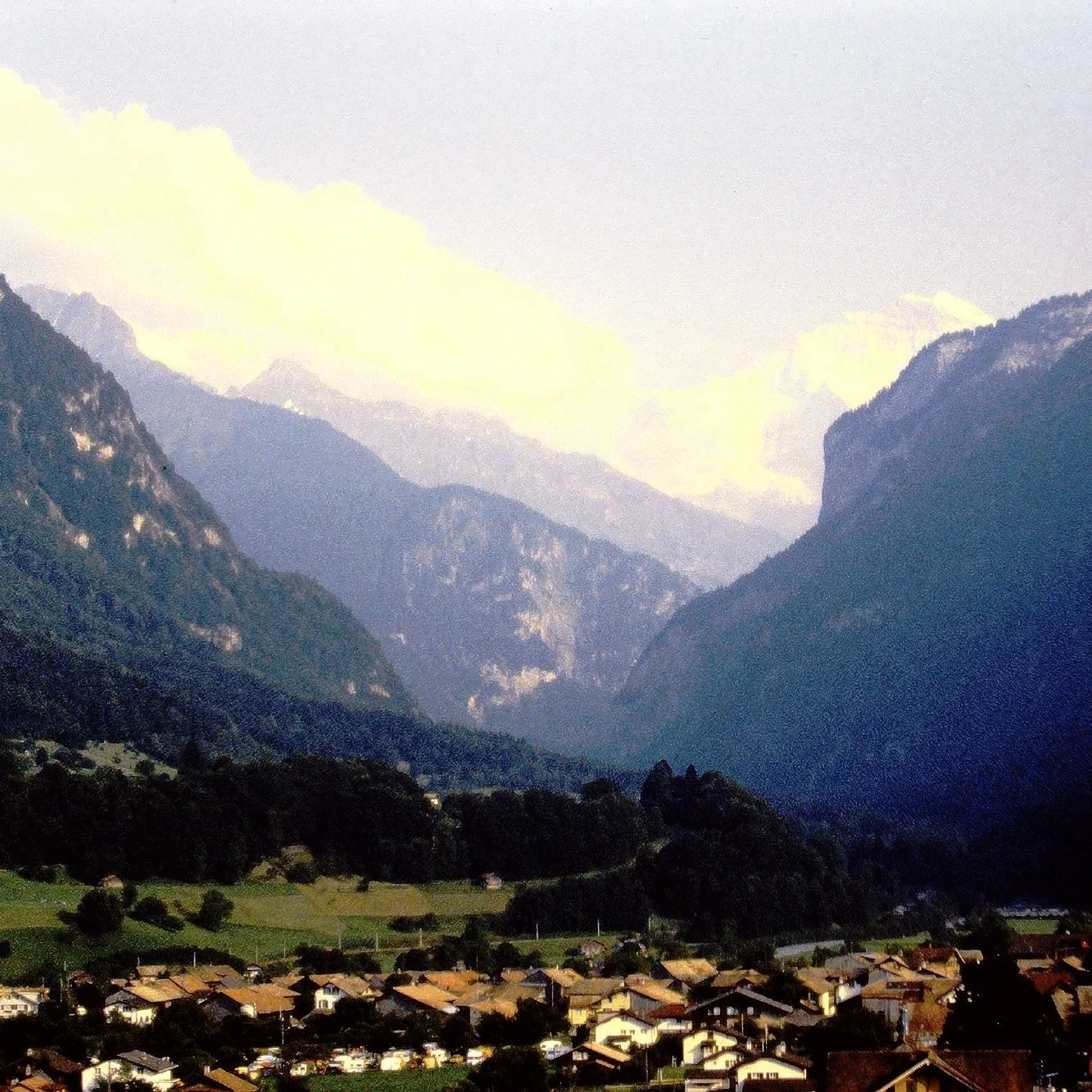
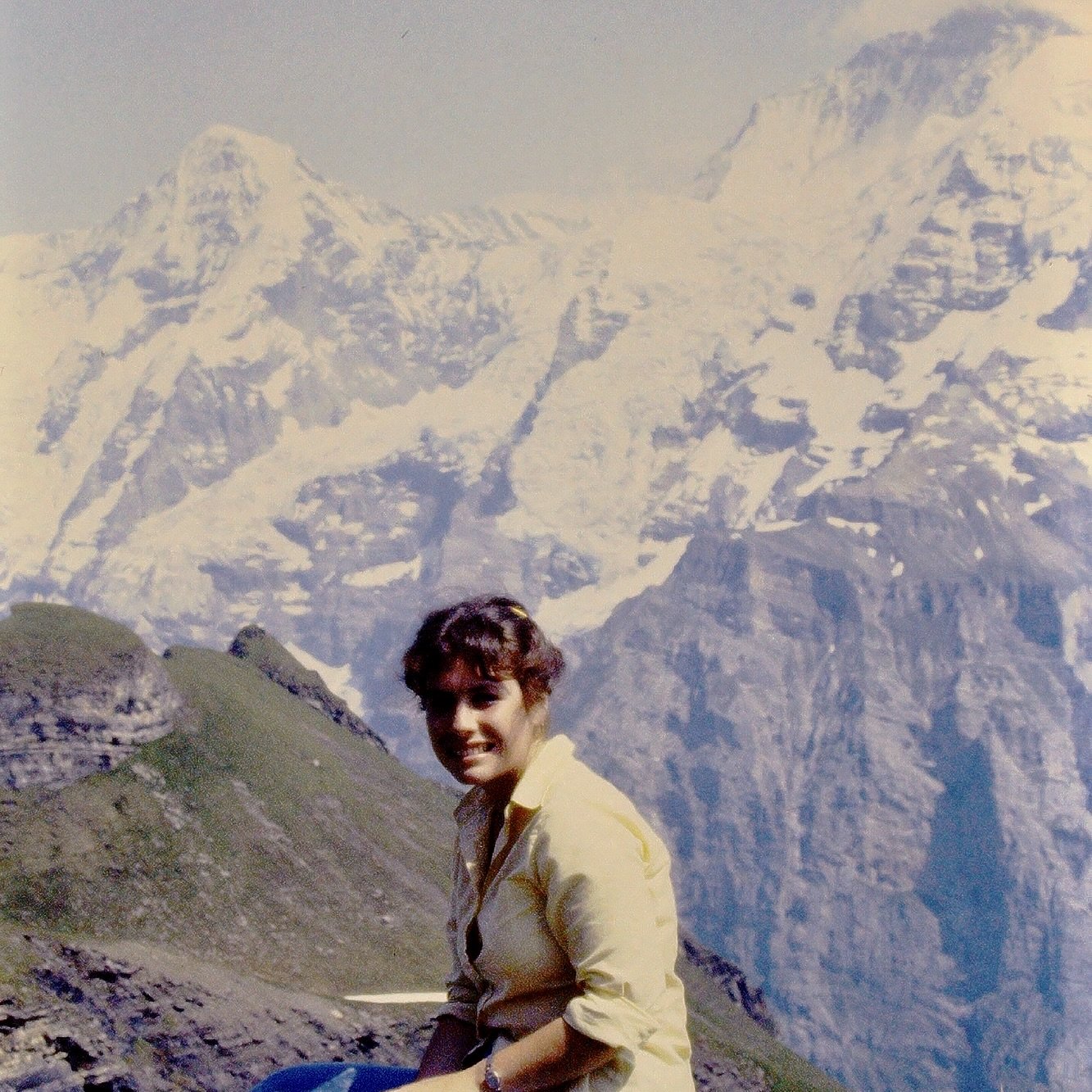
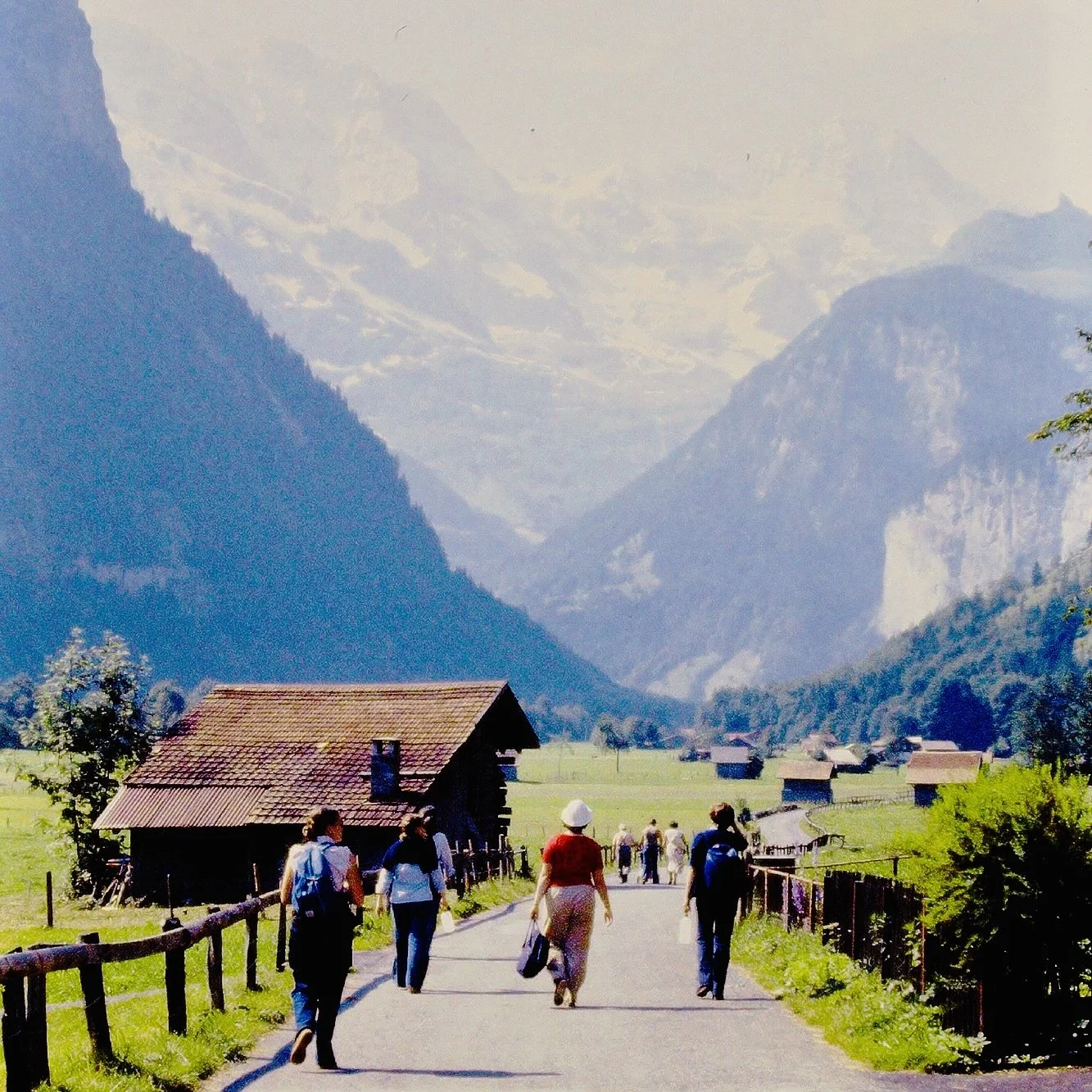
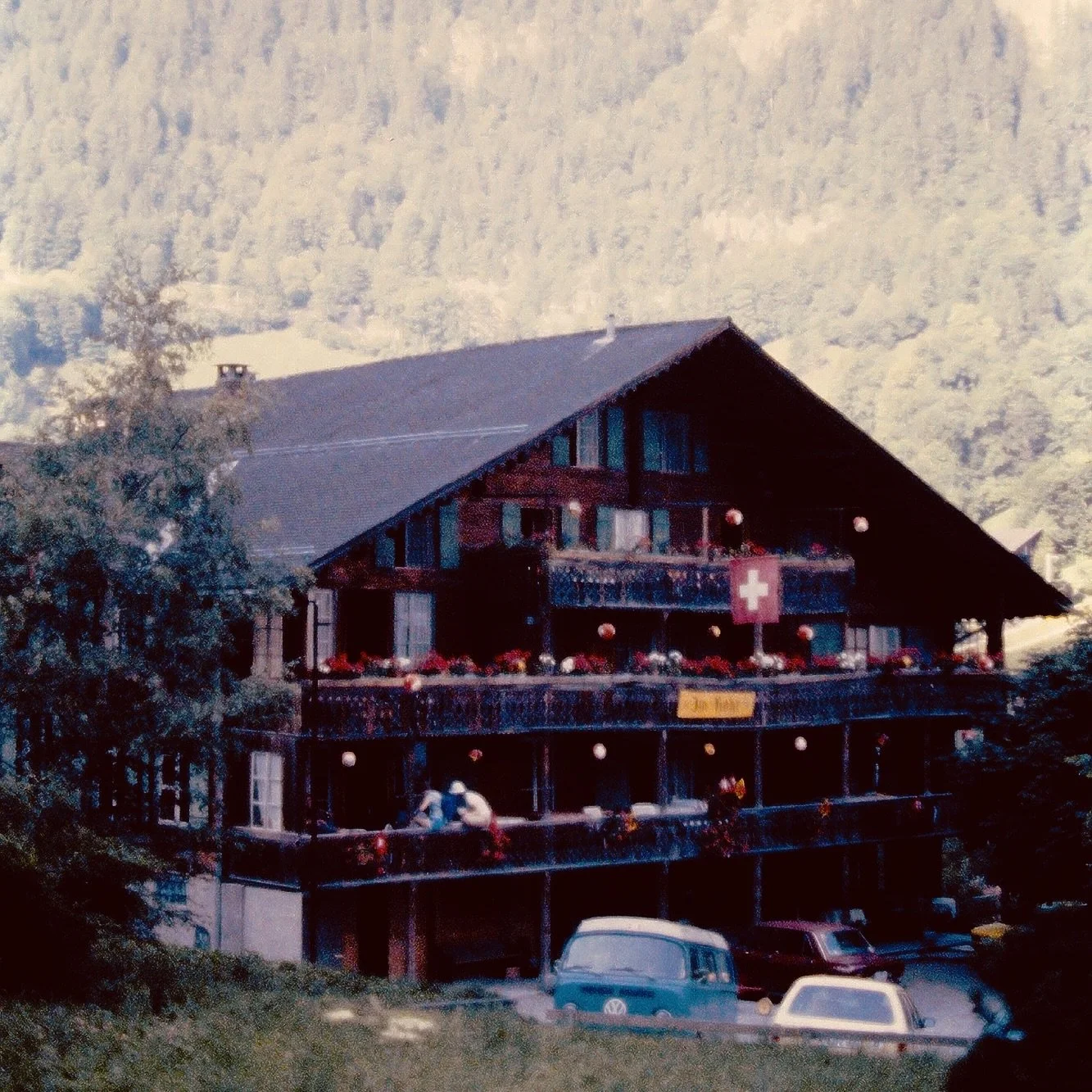
My 1980 encounter with the trio of mountains in Lauterbrunnen.
Together, JB and I revisited the Bernese and Jura regions numerous times to enjoy lush pastoral settings, stunning mountains, and vibrant cities. We lost count of the “I could live here” moments and once again investigated buying a small property with rental and retirement potential. Unfortunately, the cost, financial regulations, and visa restrictions proved prohibitive. We also had a gut feeling that it might be difficult to assimilate into the somewhat insular Swiss culture. These realizations serendipitously encouraged more frequent travel to France, which offered a wide range of breathtaking geographic regions, as well as more affordable options, open policies, and inclusive culture. We continued to “live like locals” during journeys around the country. Our guiding mantra was finally realized when we sold our Boston home and relocated to one of those “I could live here” locations. Pau, France—tucked in the foothills of the Pyrenees—ticked all our boxes: an affordable historic city with a lively urban center, a welcoming community, and a region of abundant natural beauty.
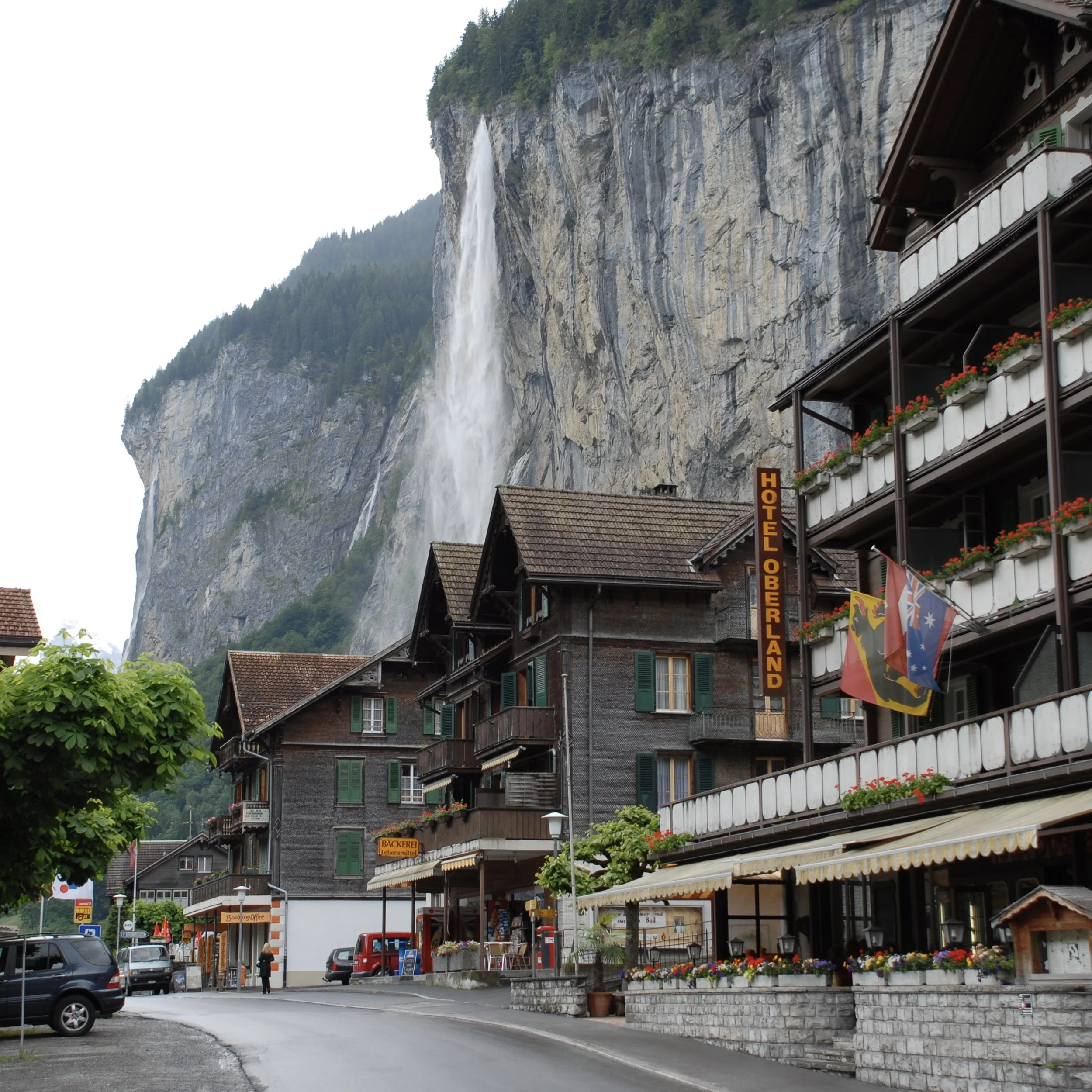
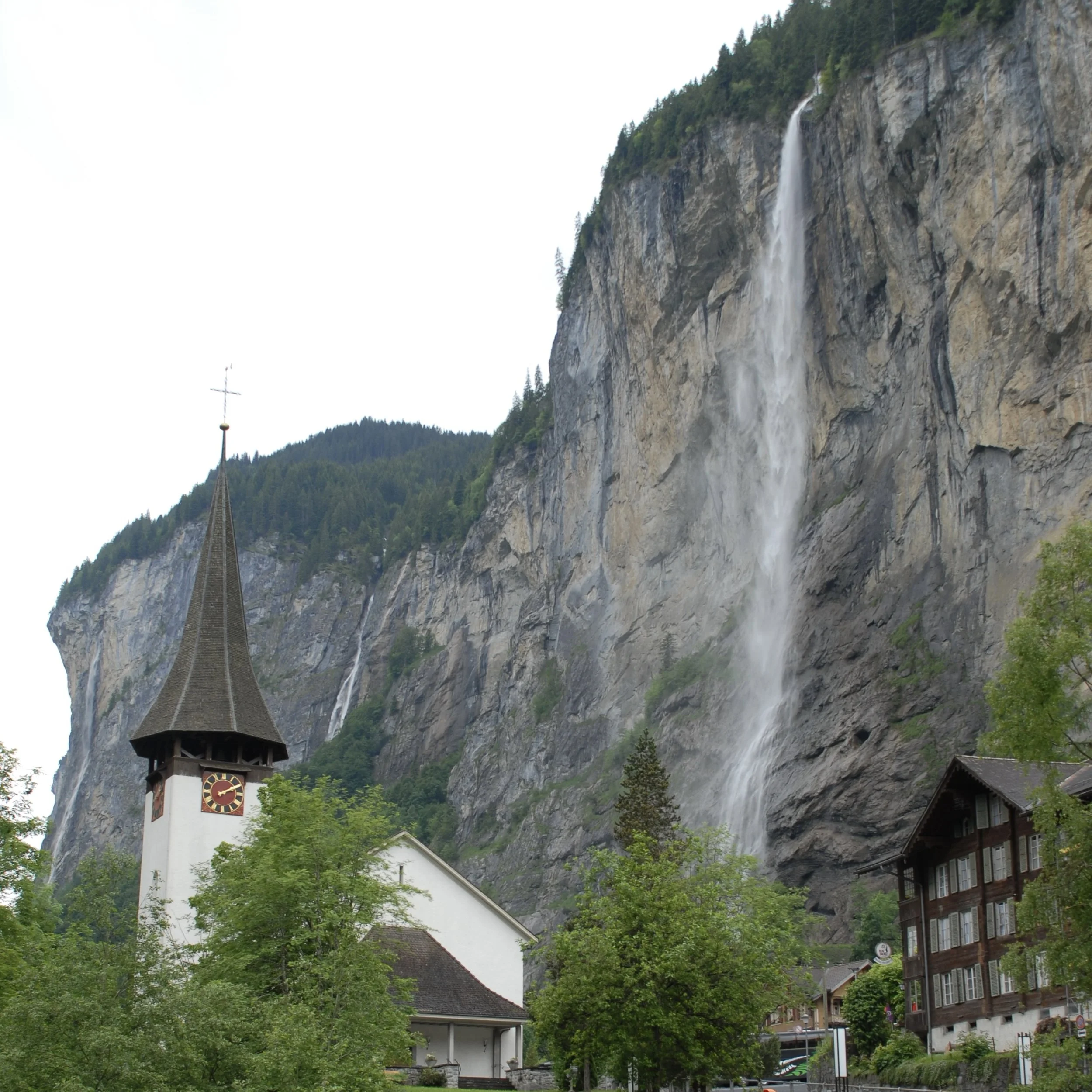
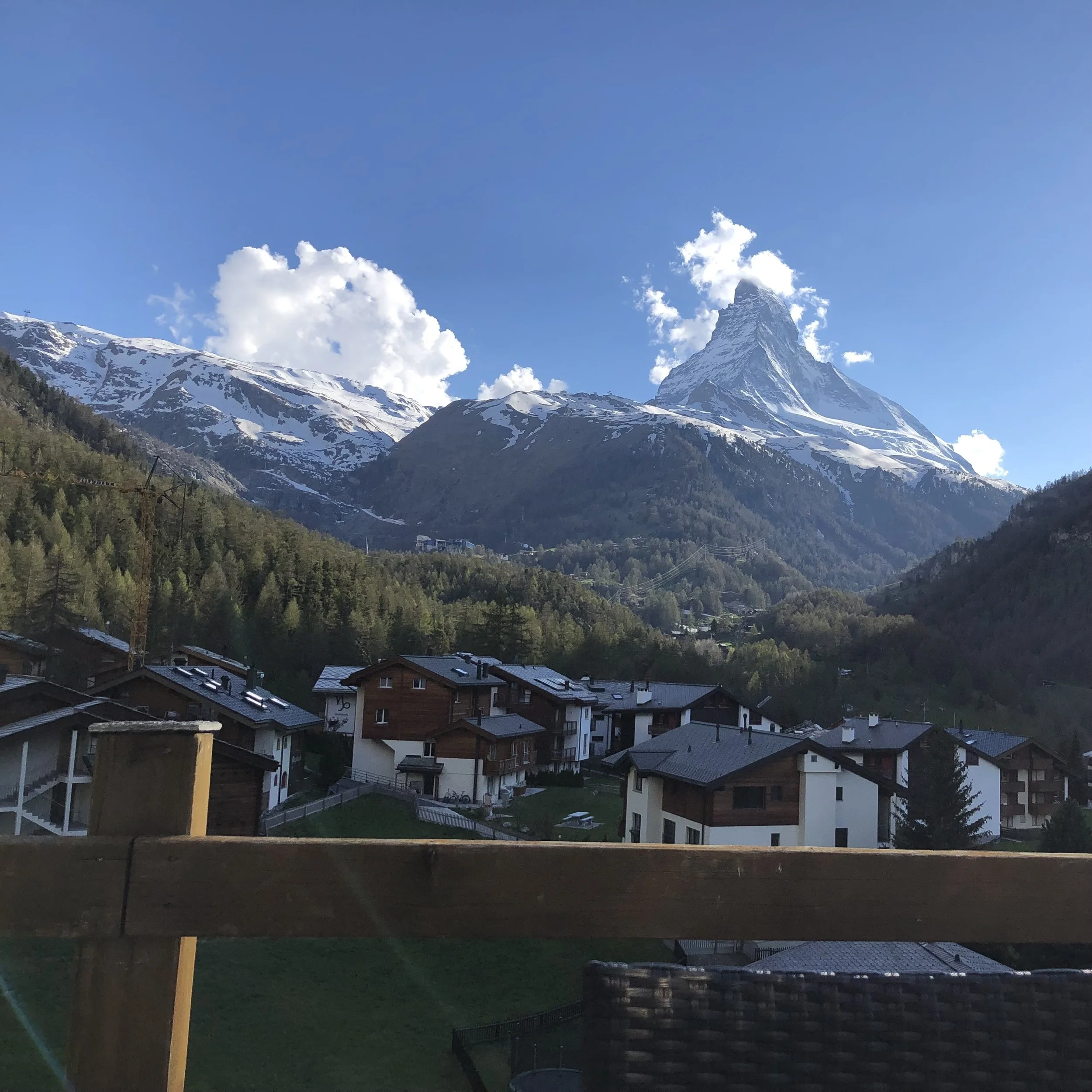
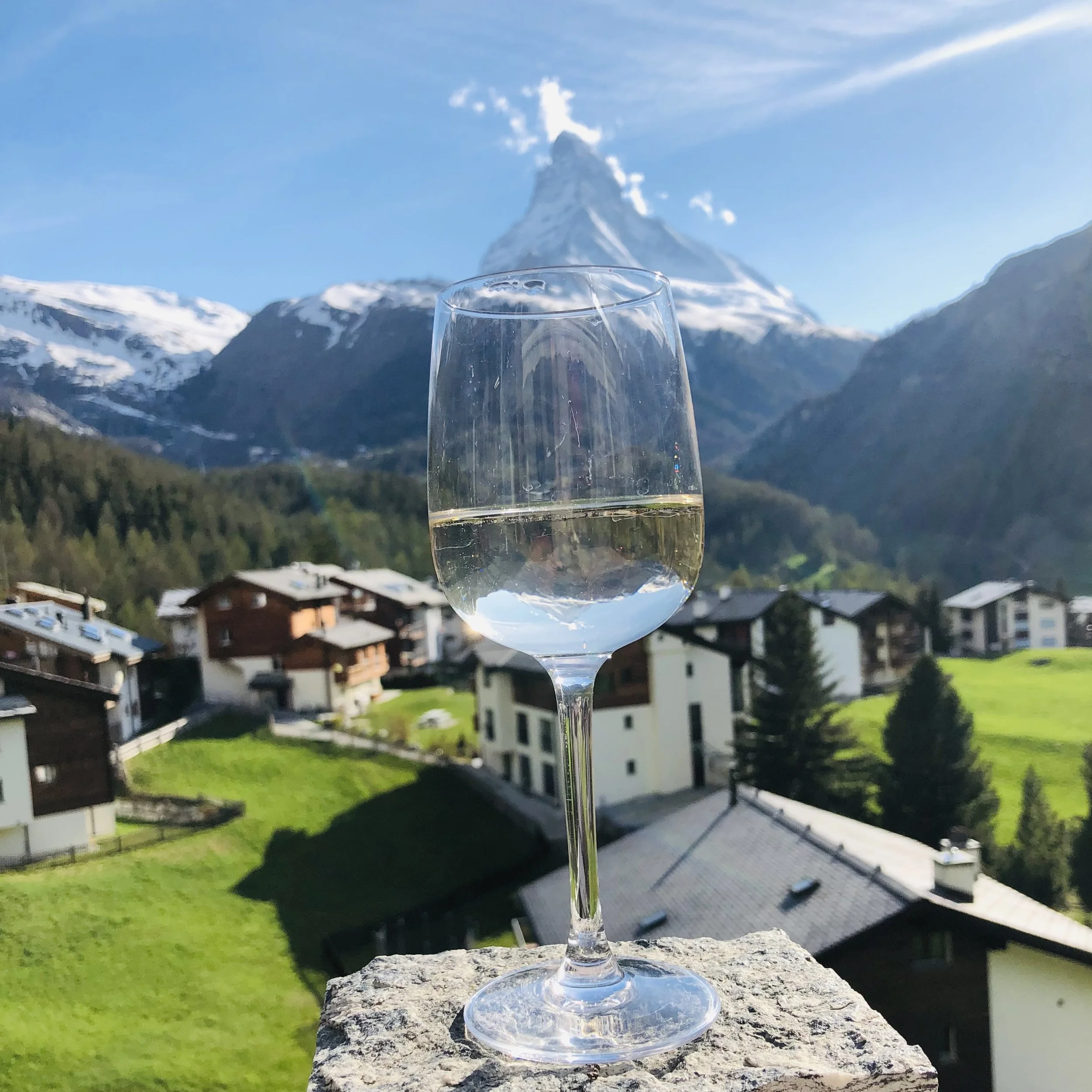
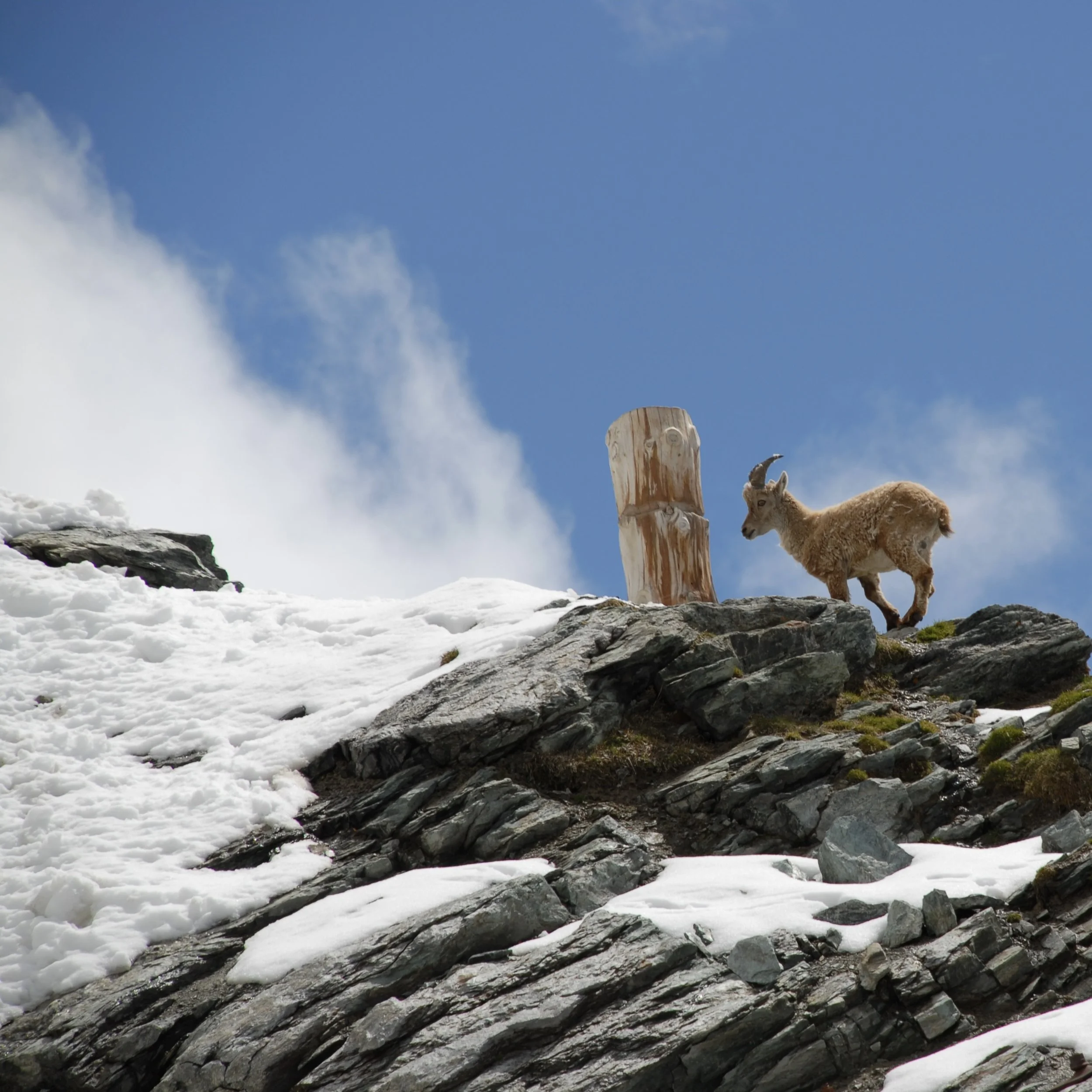
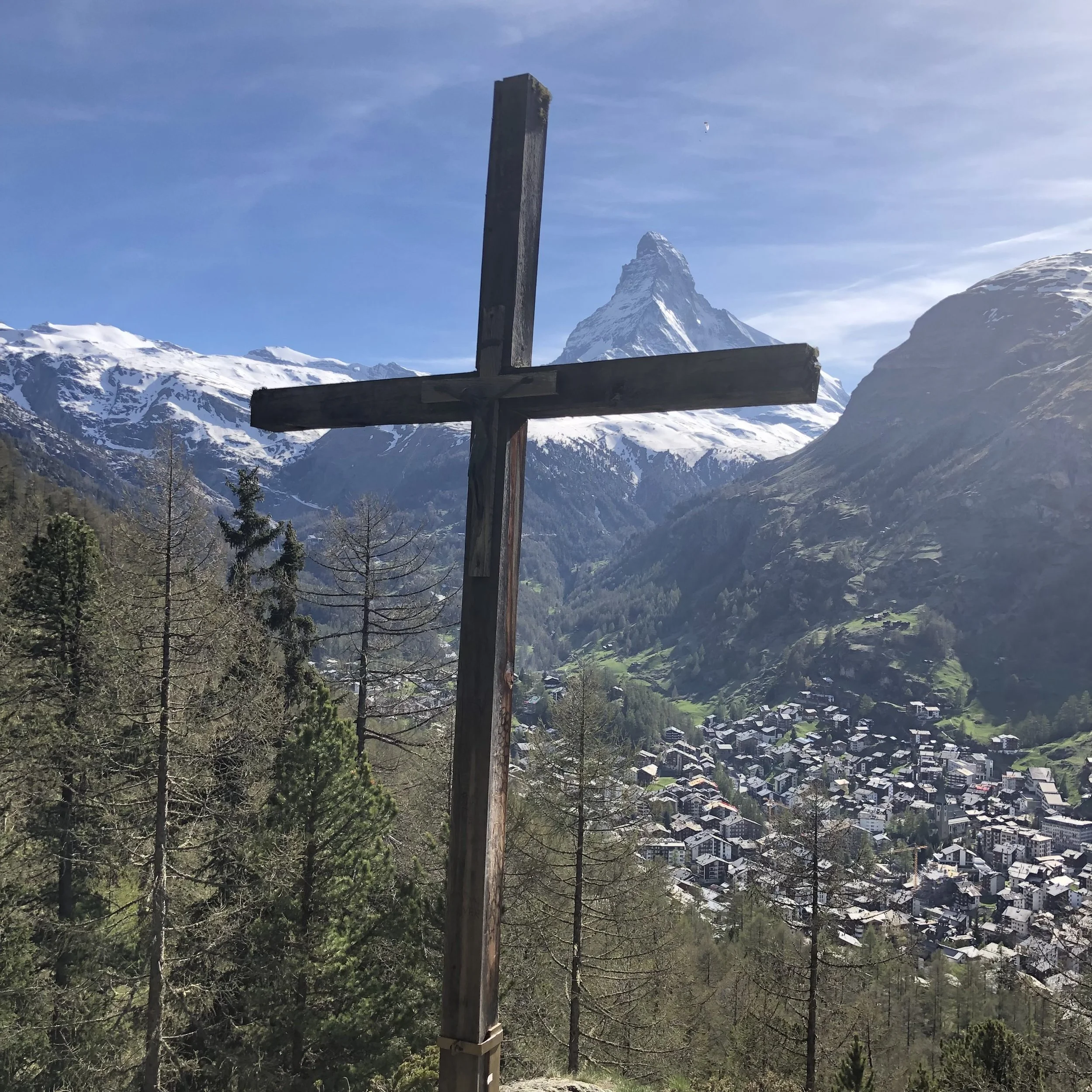
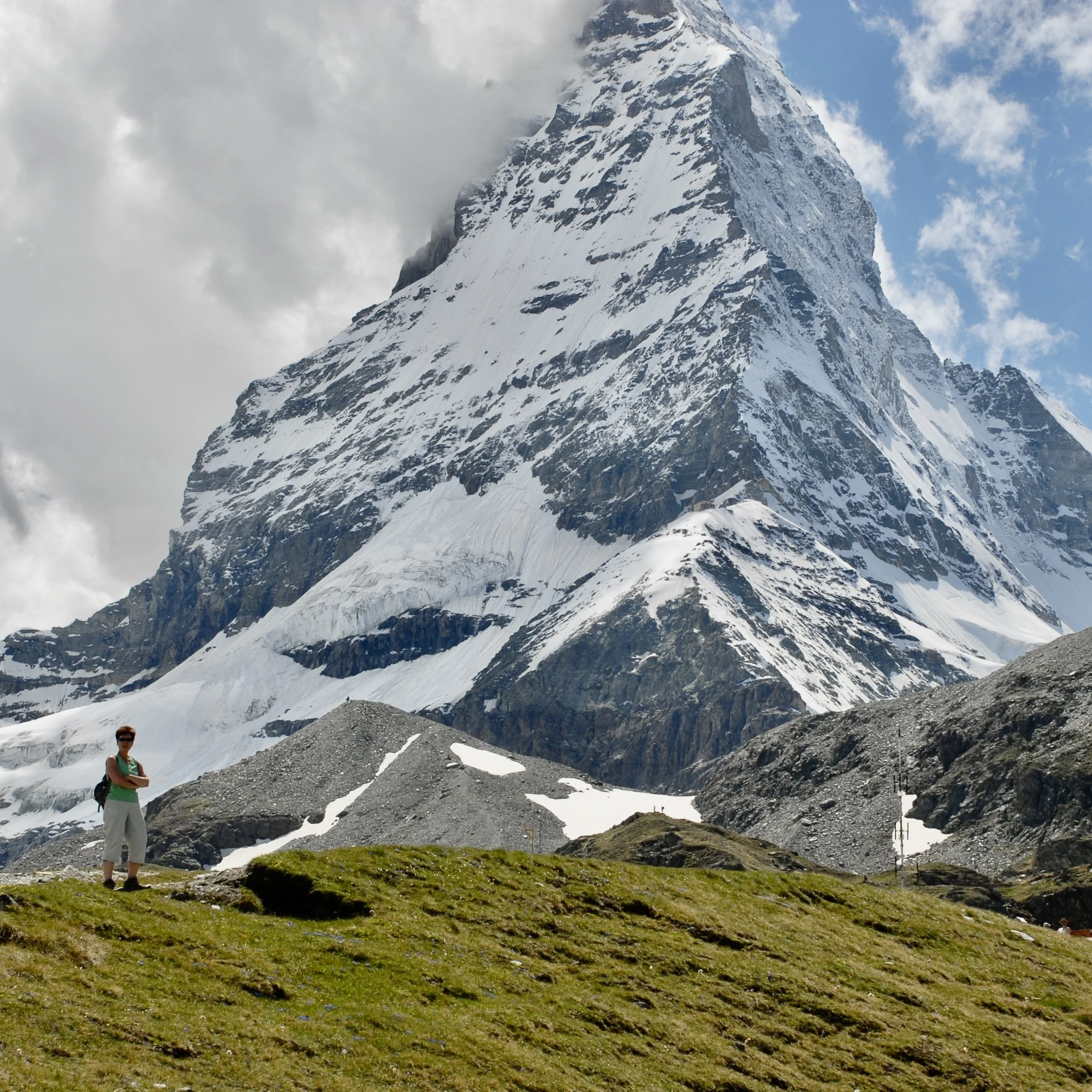
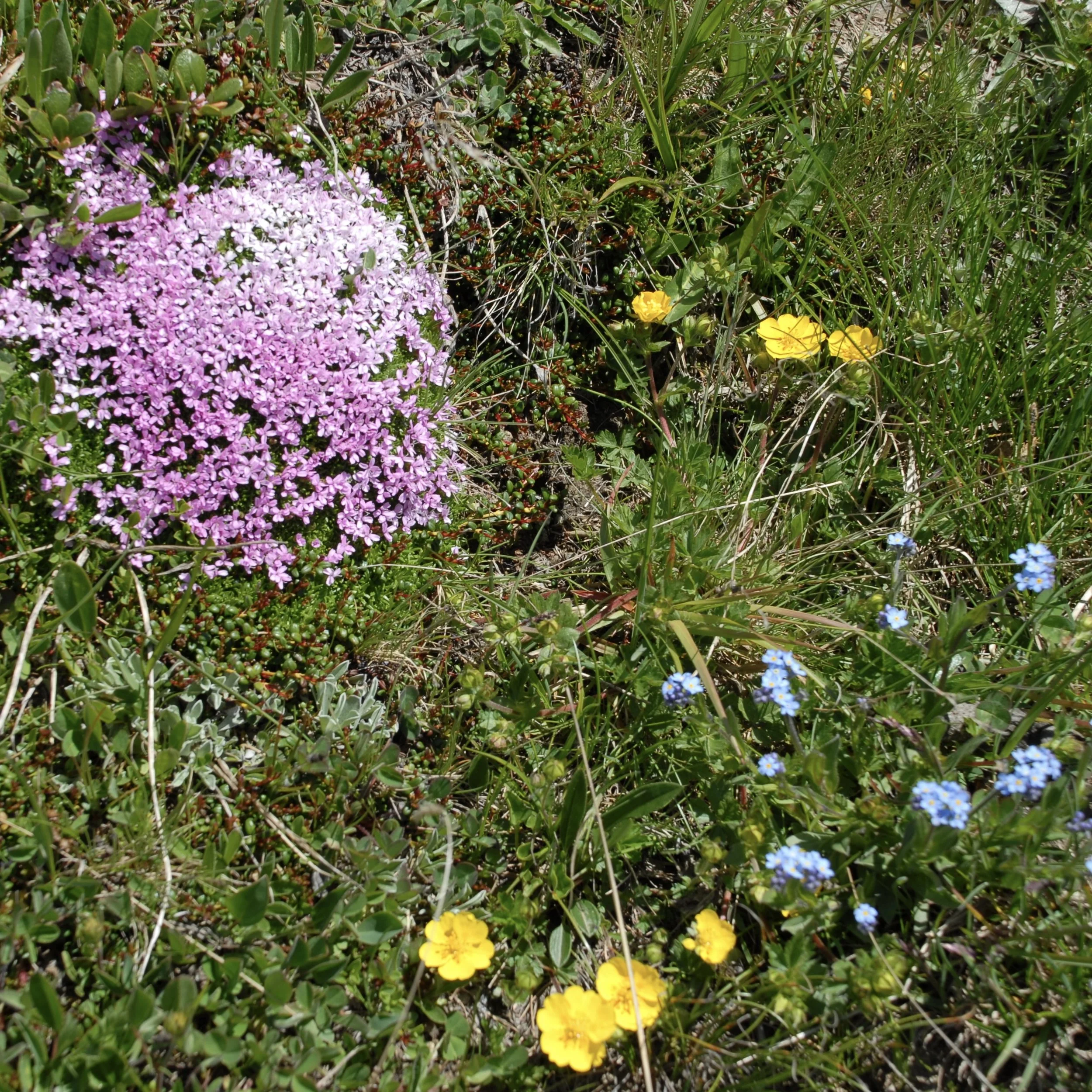
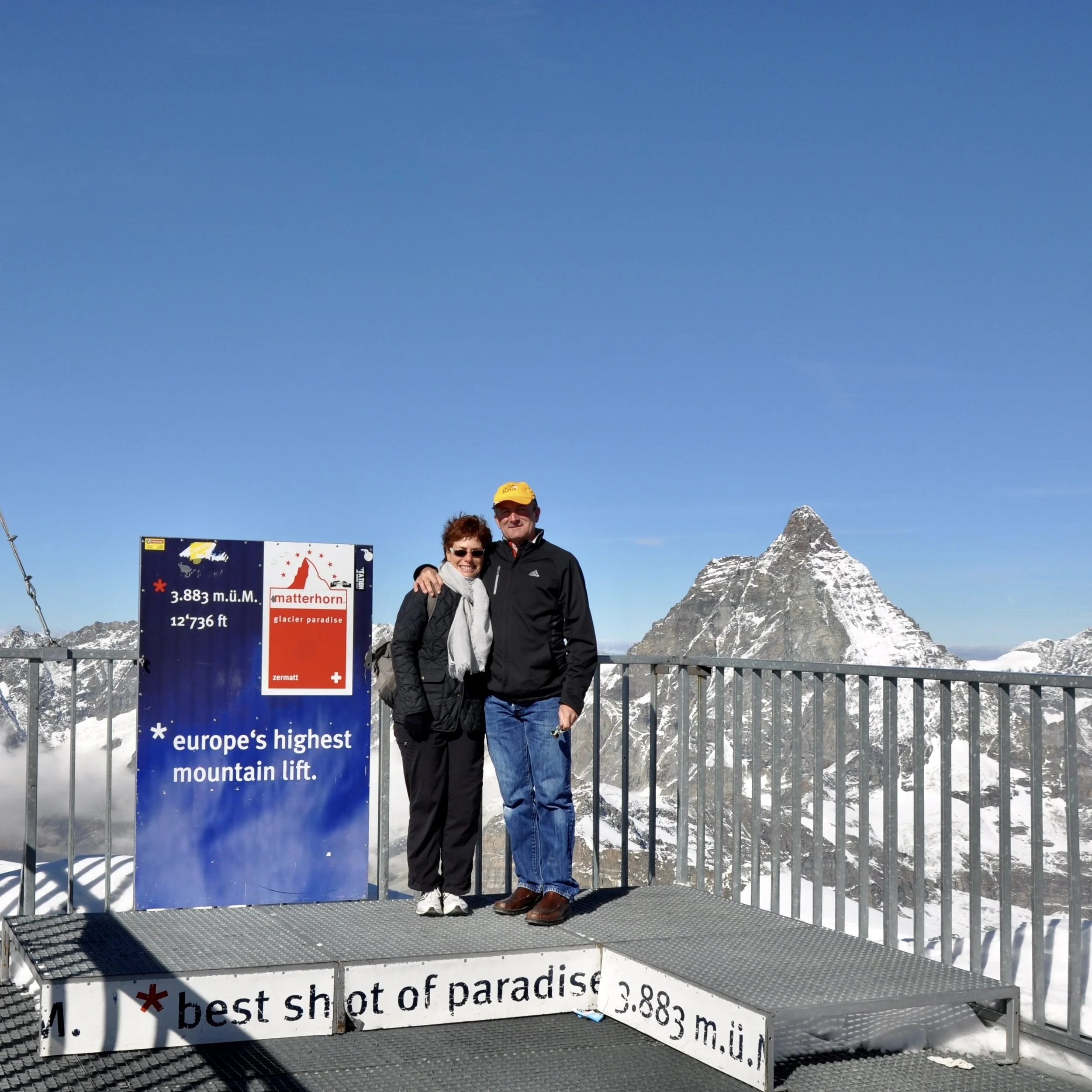
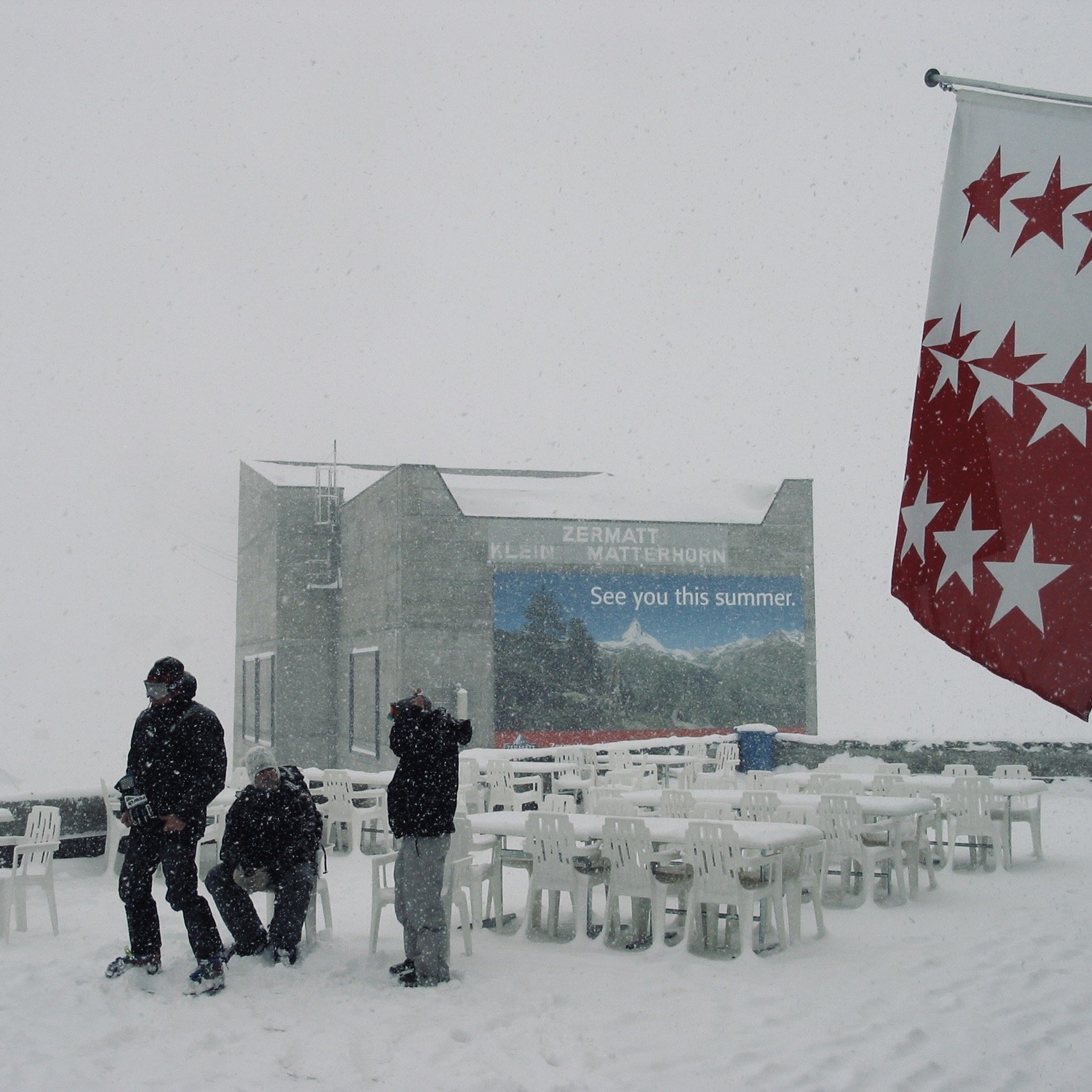
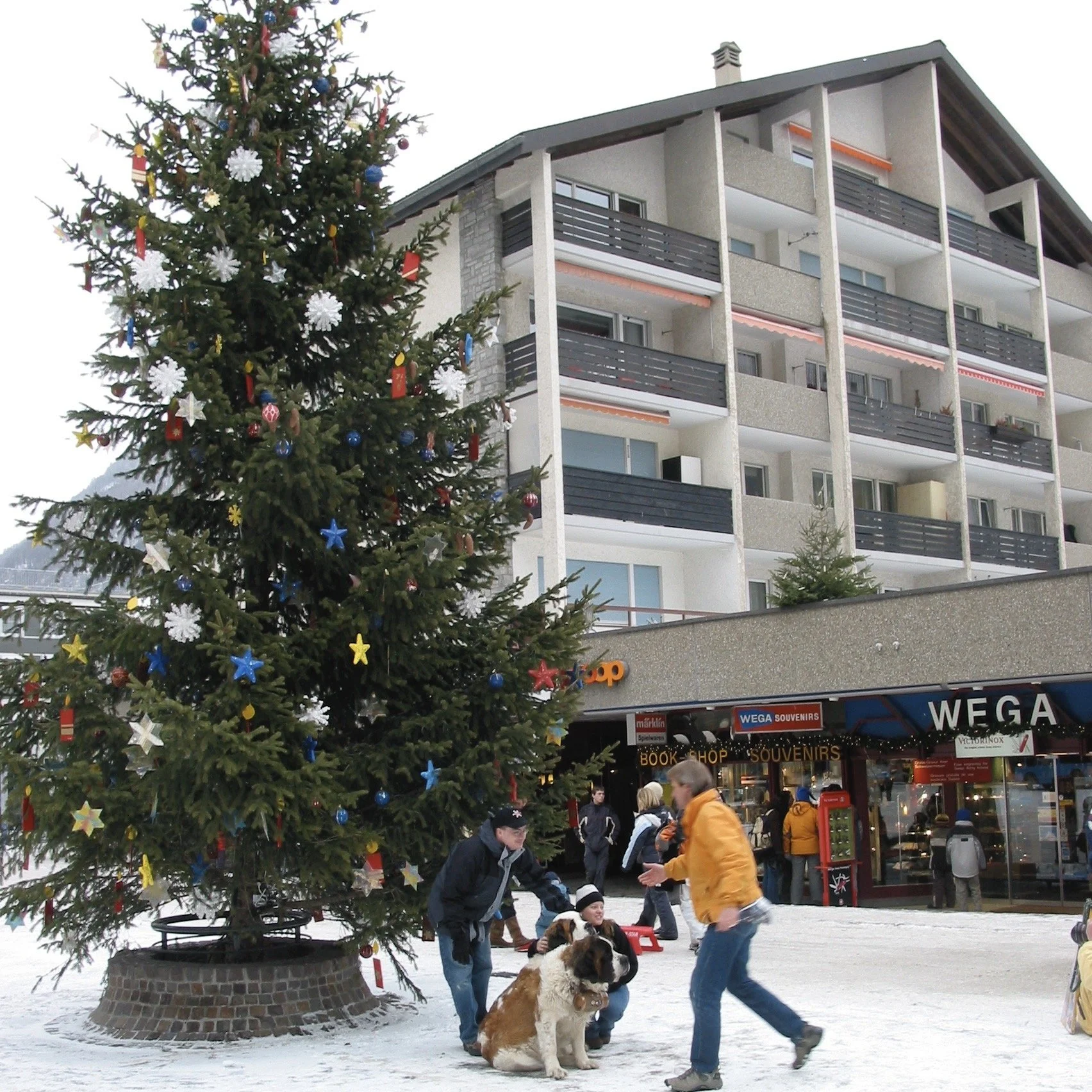
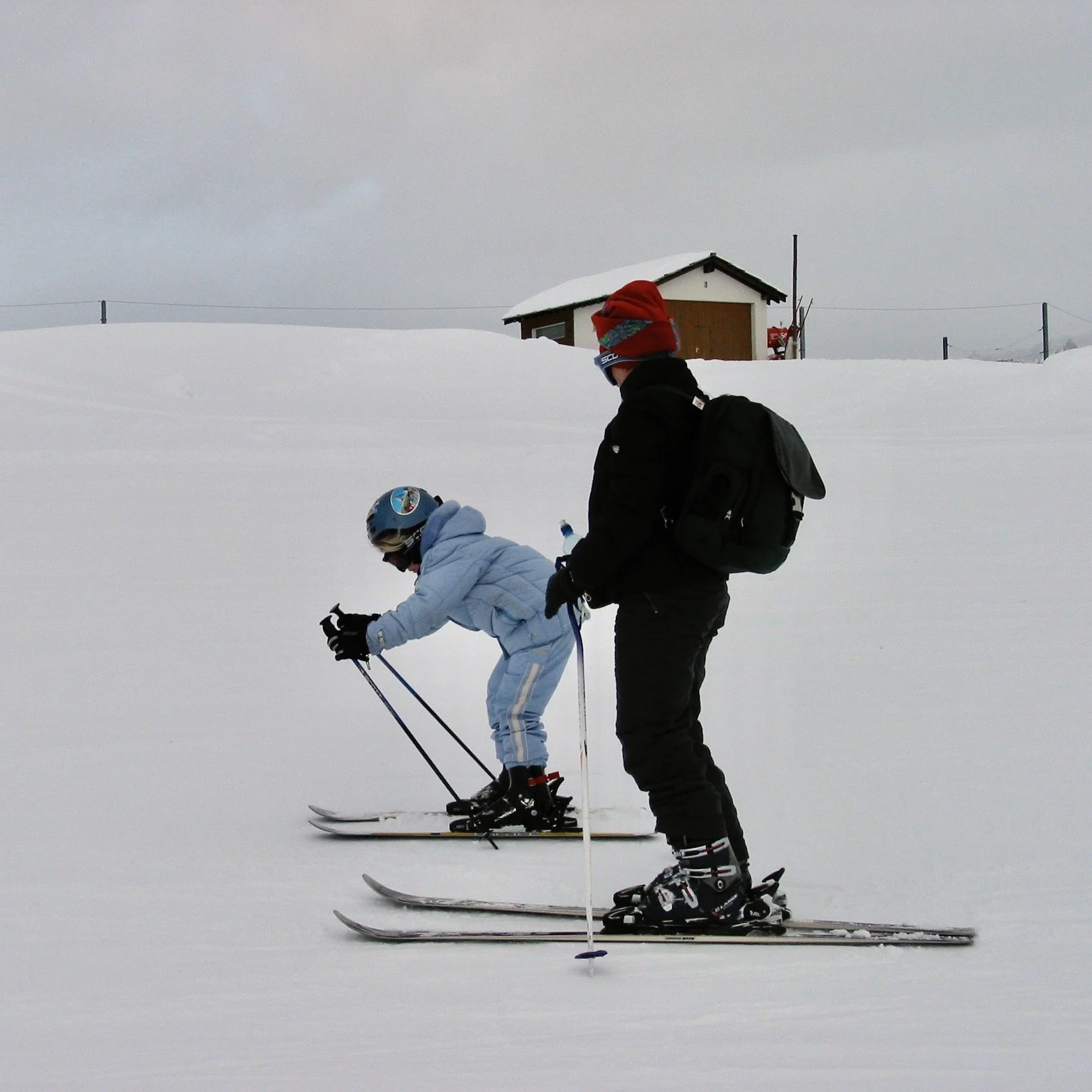
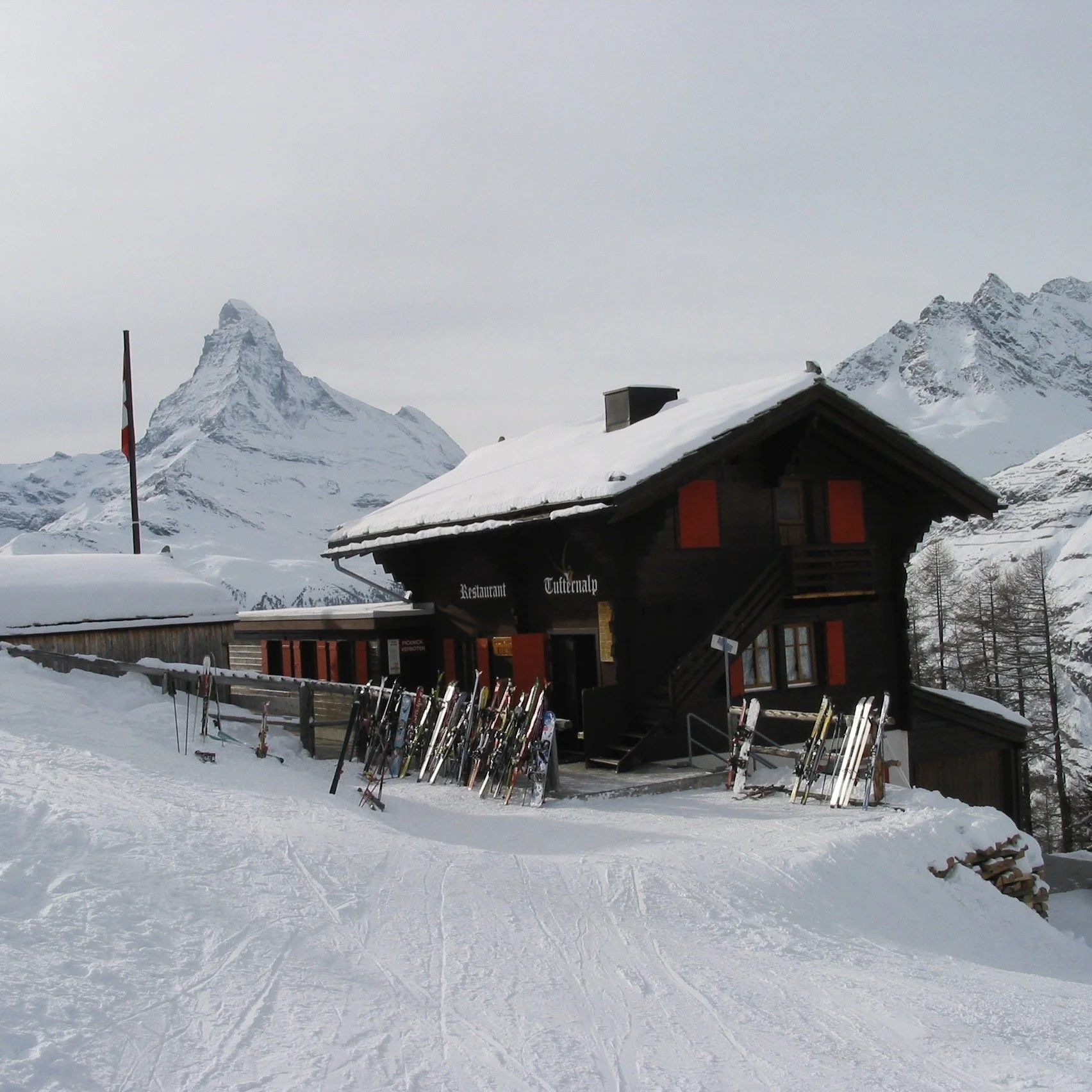
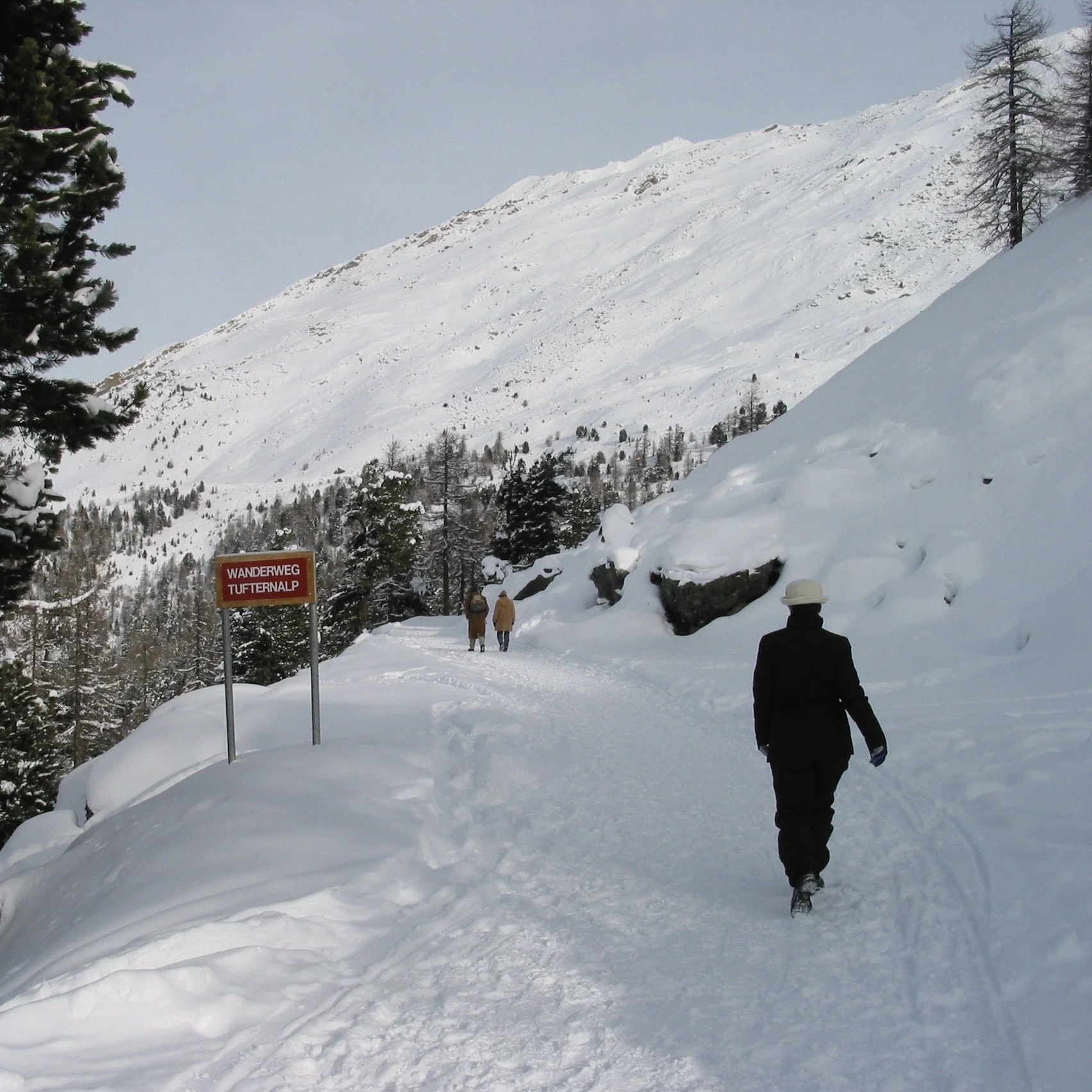
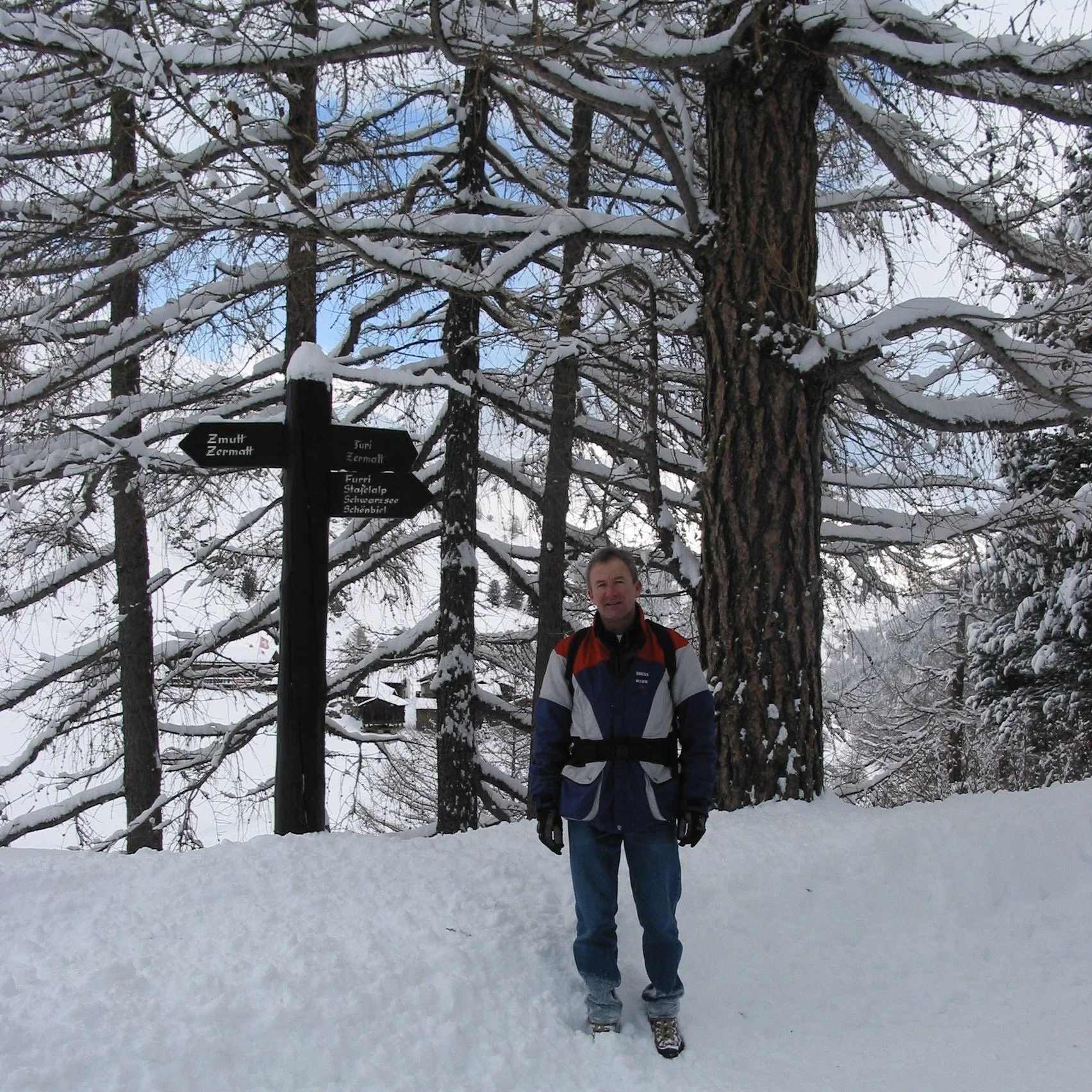
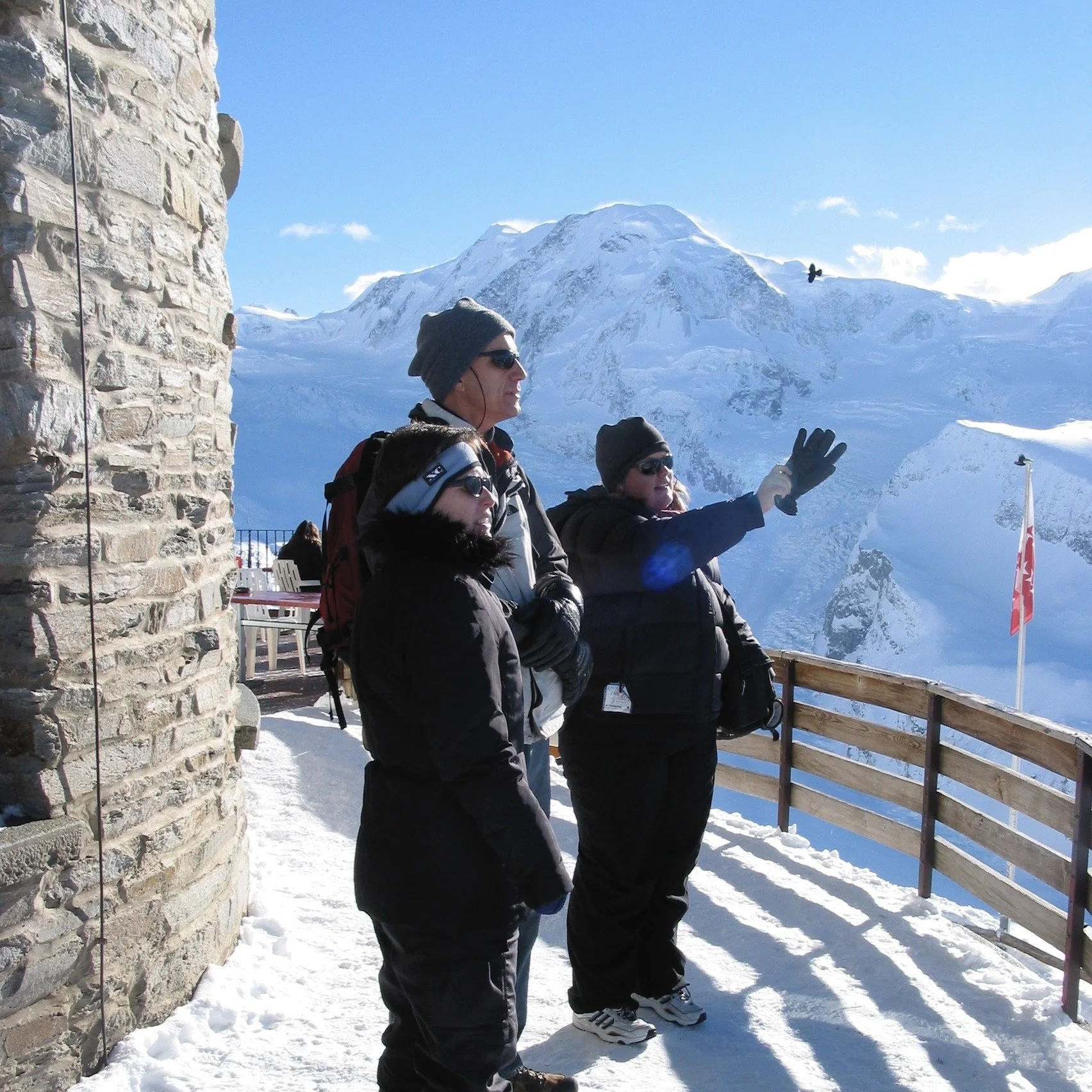
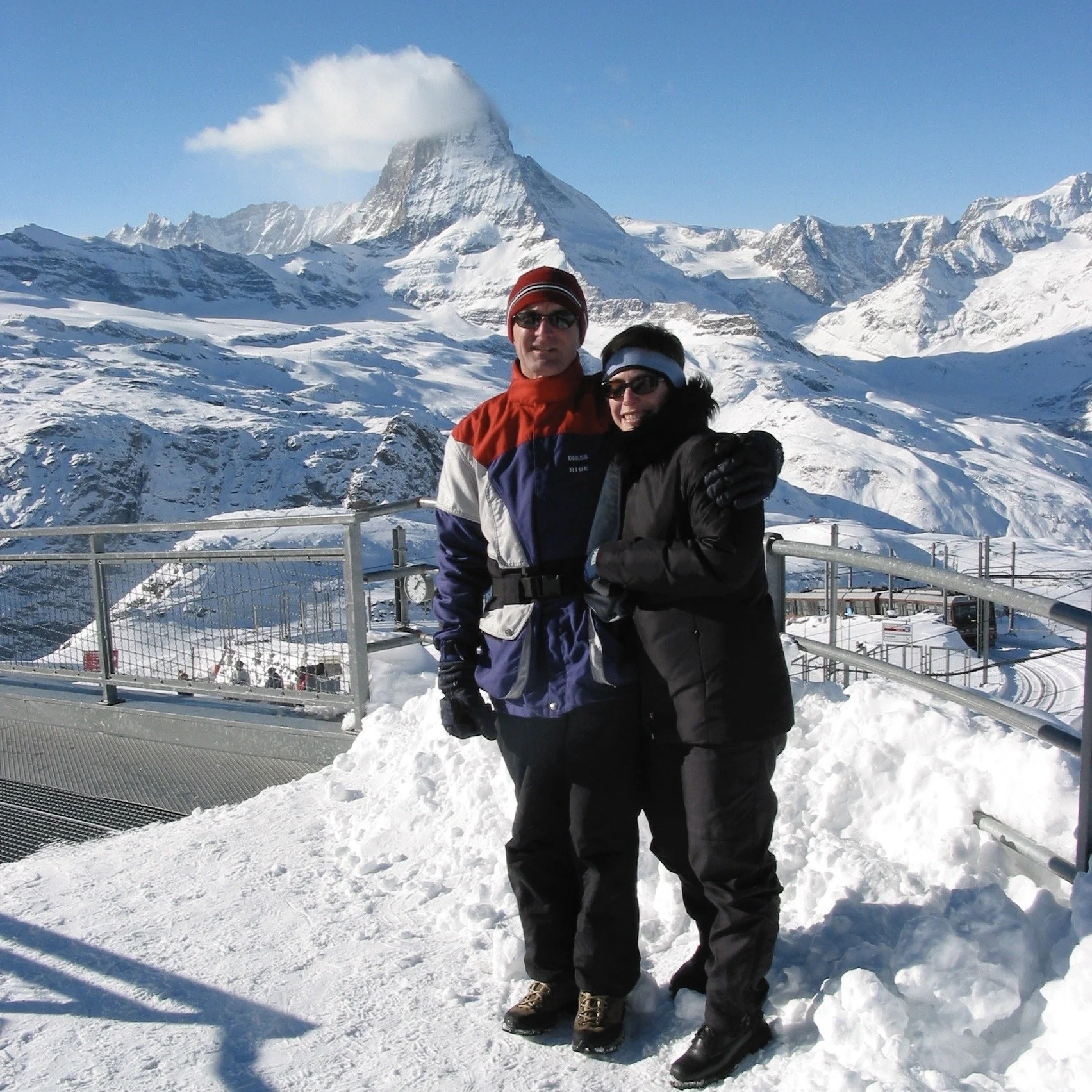
Slides 1 &2: Return to Lauterbrunnen, slides 3&4: Zermatt apartment views, Slides 5-17: memories of summer hiking and a Christmas holiday in Zermatt with family.
Ongoing temptations…
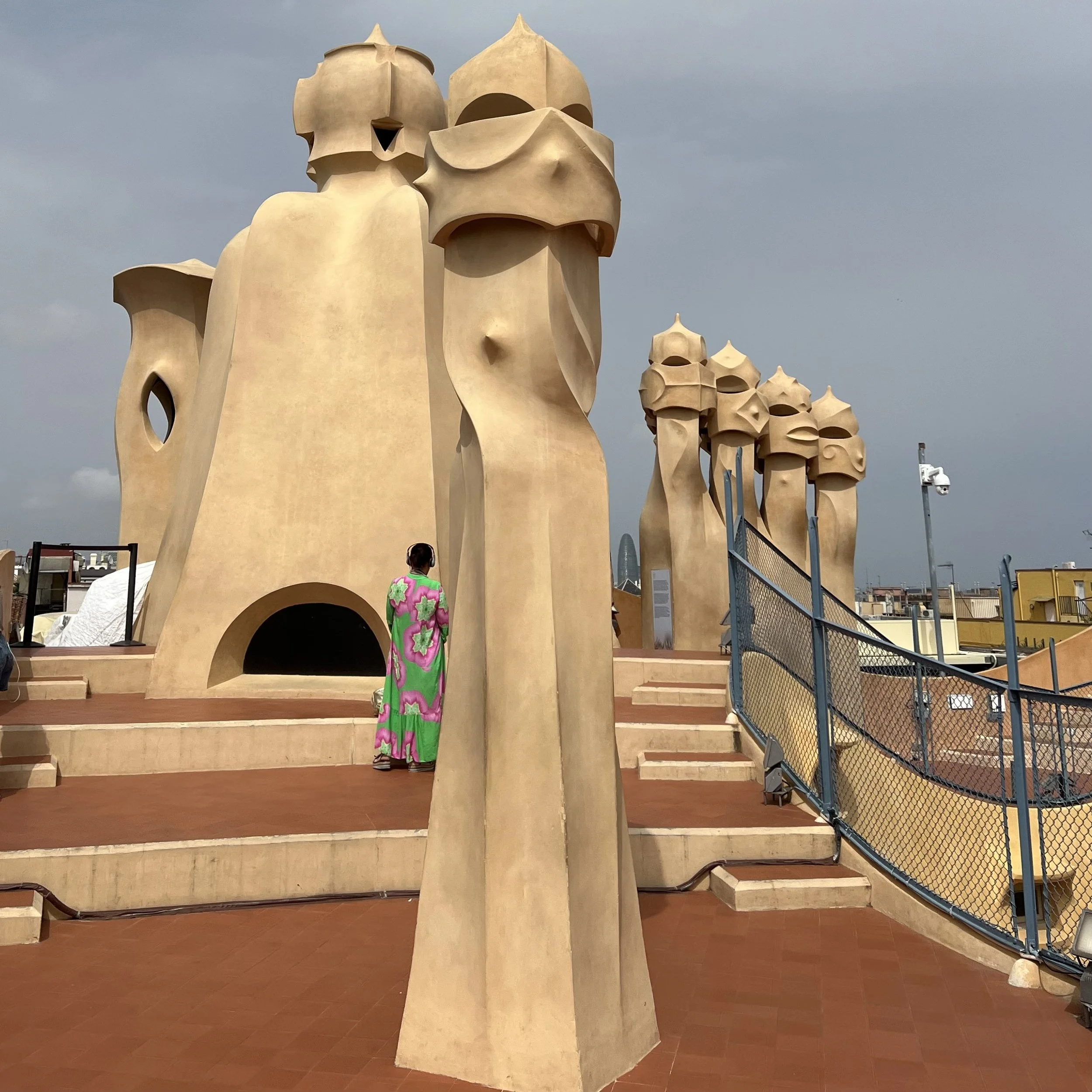
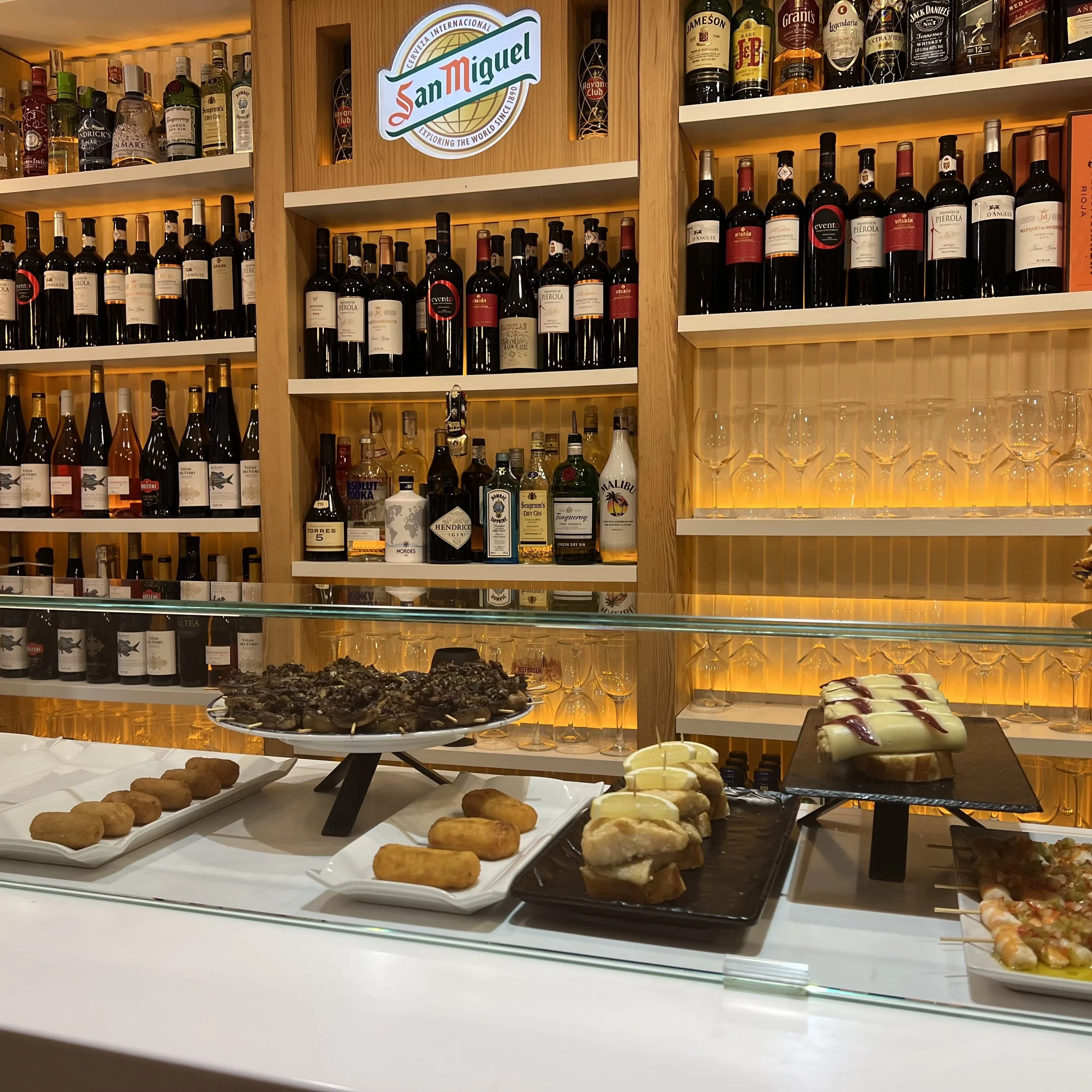
However, I must confess that the exclamation of “I could live here” endures. Despite loving our life in Pau, other French cities—like Bordeaux, Toulouse, or Paris—continue to entice. If money were no object, I would love a “pied à terre” in Antibes, where Picasso explored ceramic making from a stone studio overlooking the Mediterranean Sea. I could also blissfully dive into the “dolce vita” of Florence, but the pervading relaxed procrastination of Italian culture tests JB’s patience; he prefers Swiss-like precision. The architecturally magnificent city of Barcelona or the coastal beauty of San Sebatian, Spain would be tempting, if not for having to learn yet another language and adjust to a culture that also embraces a “mañana” mentality. For us, France offers the perfect “goldilocks” balance of joyful living and reliability.
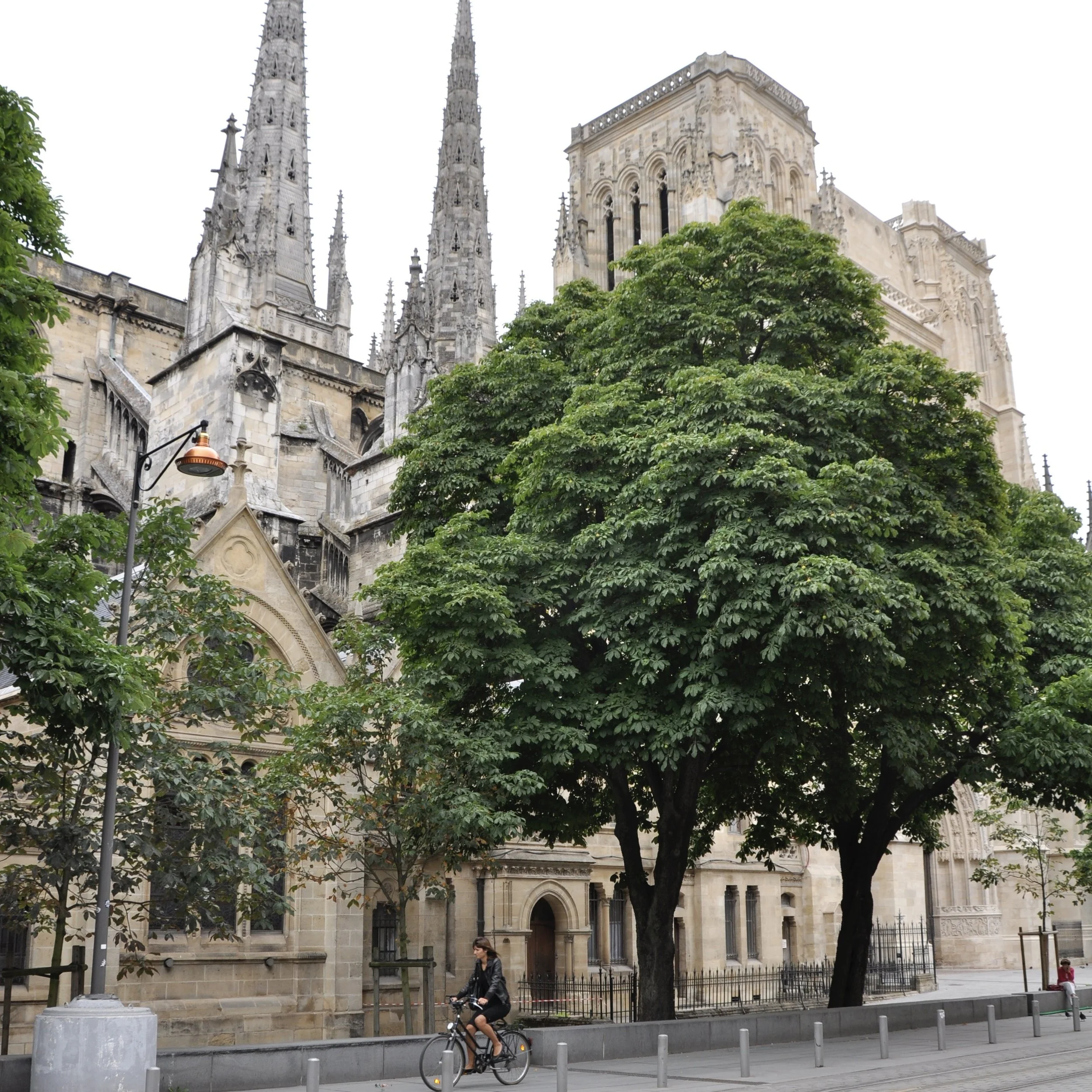
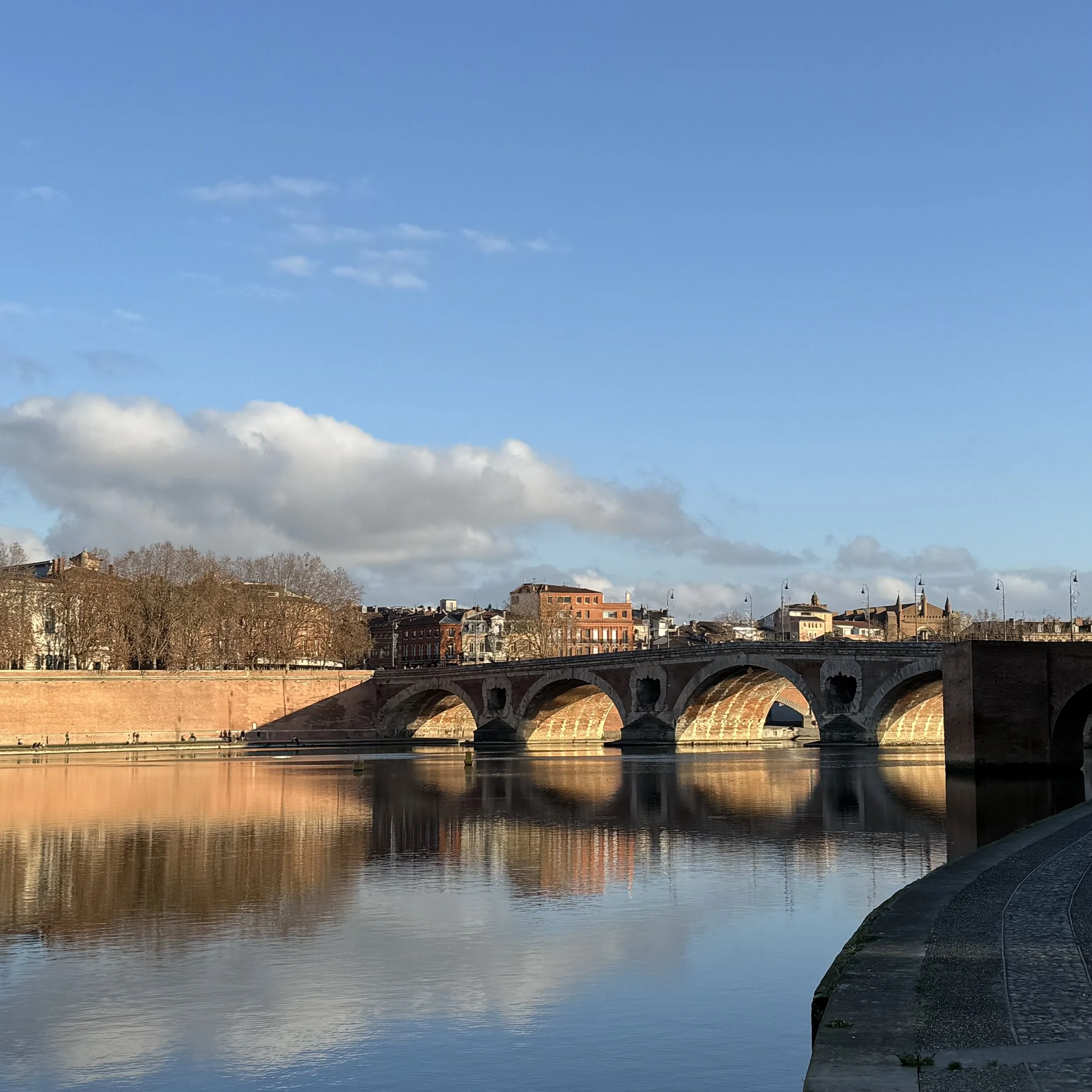
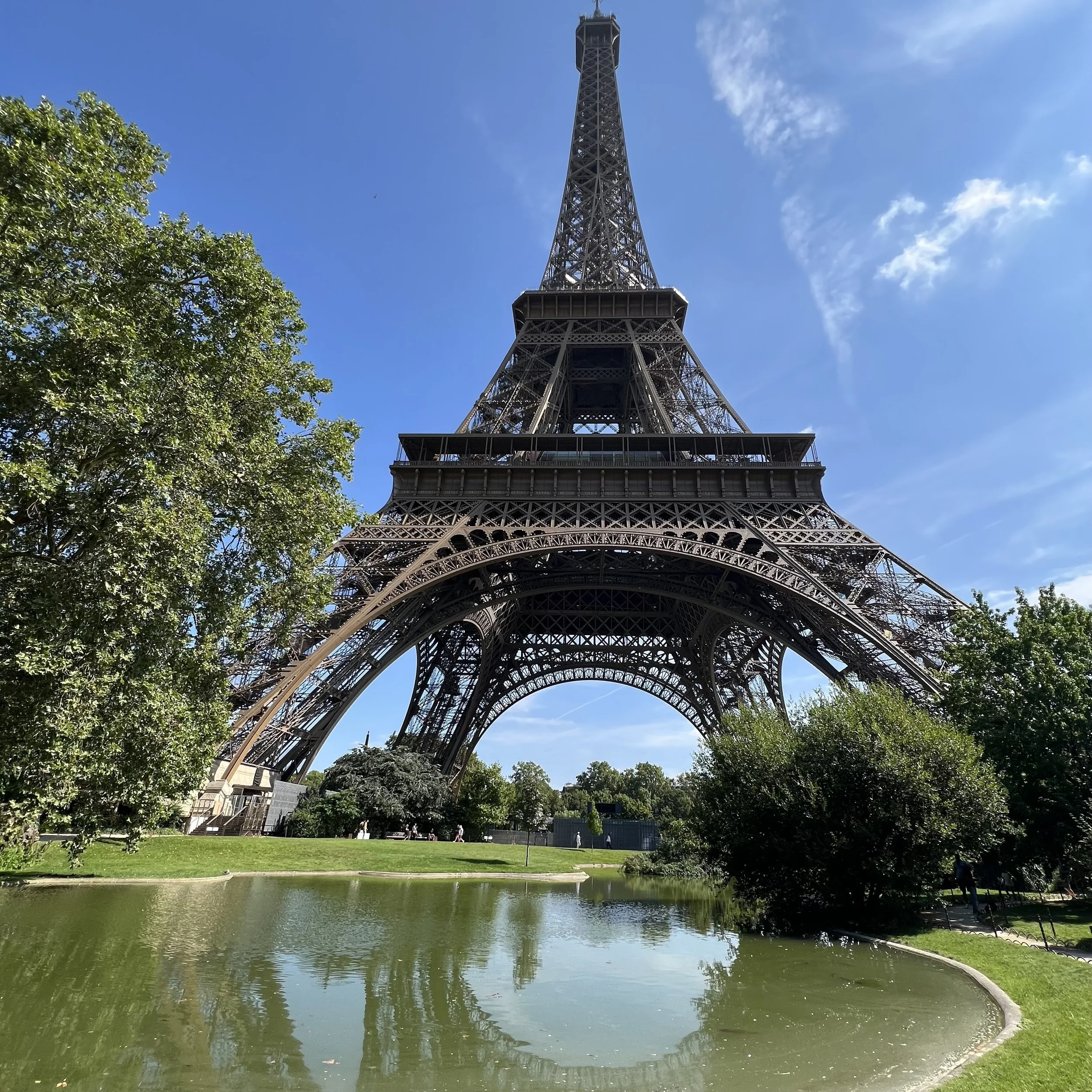
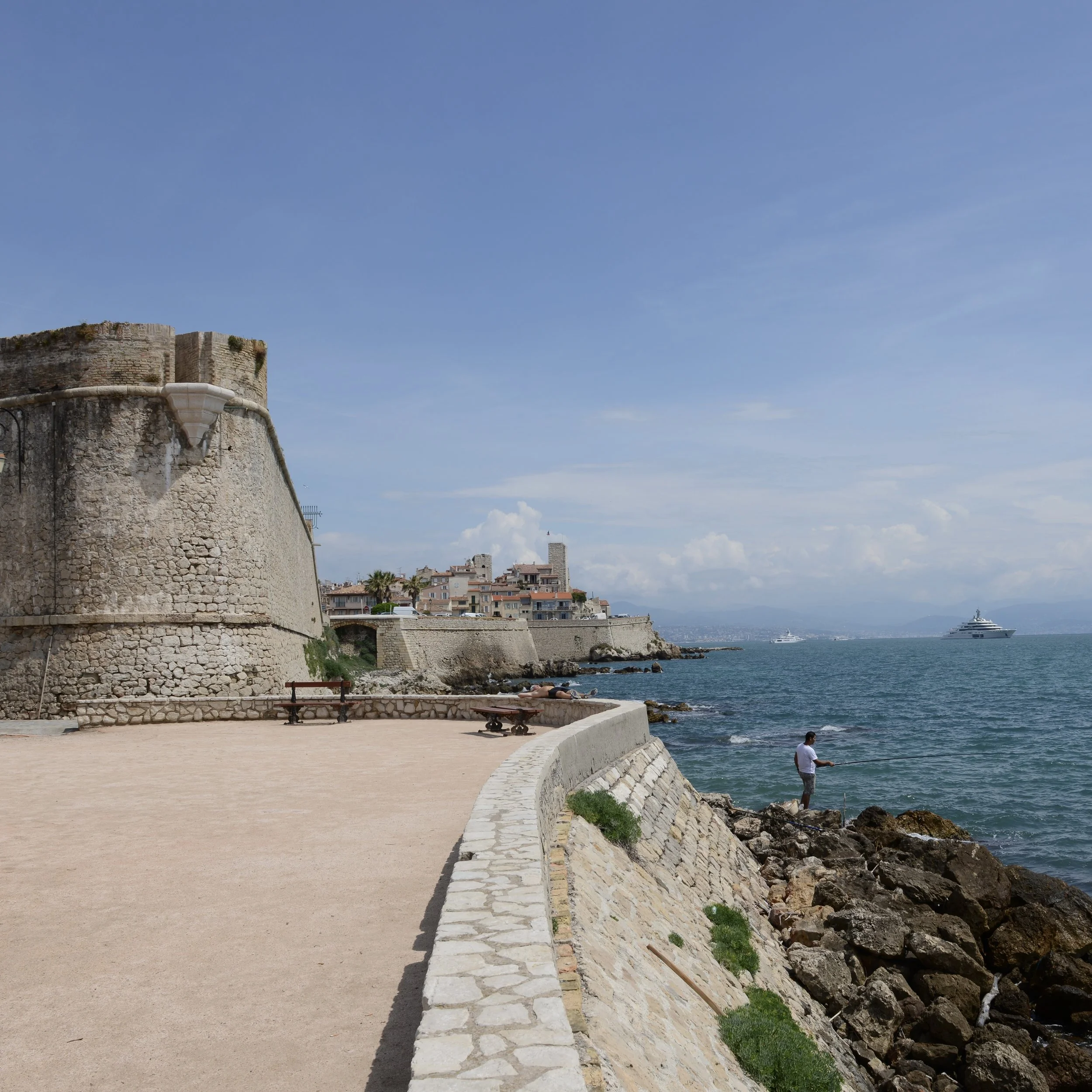
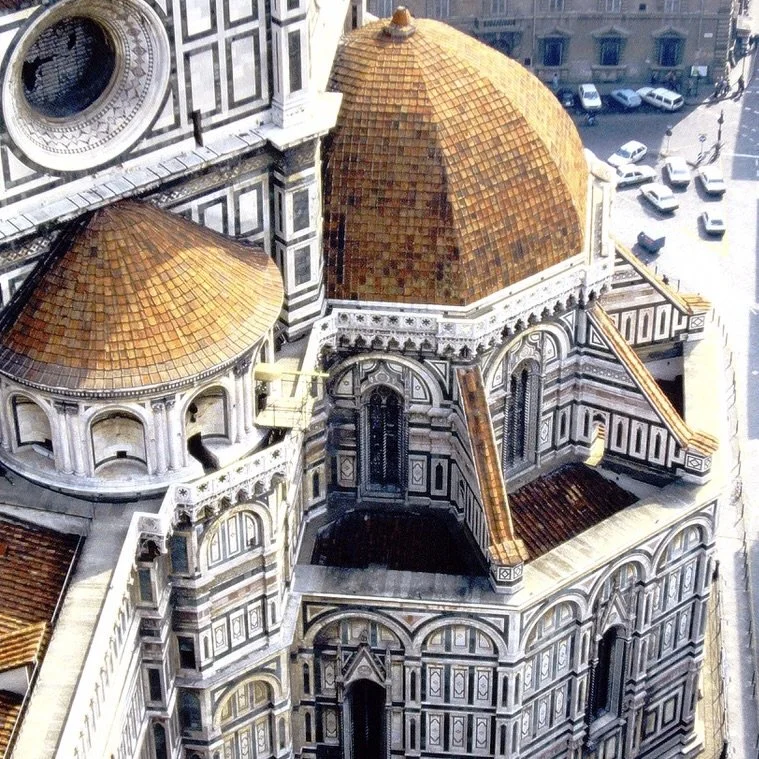
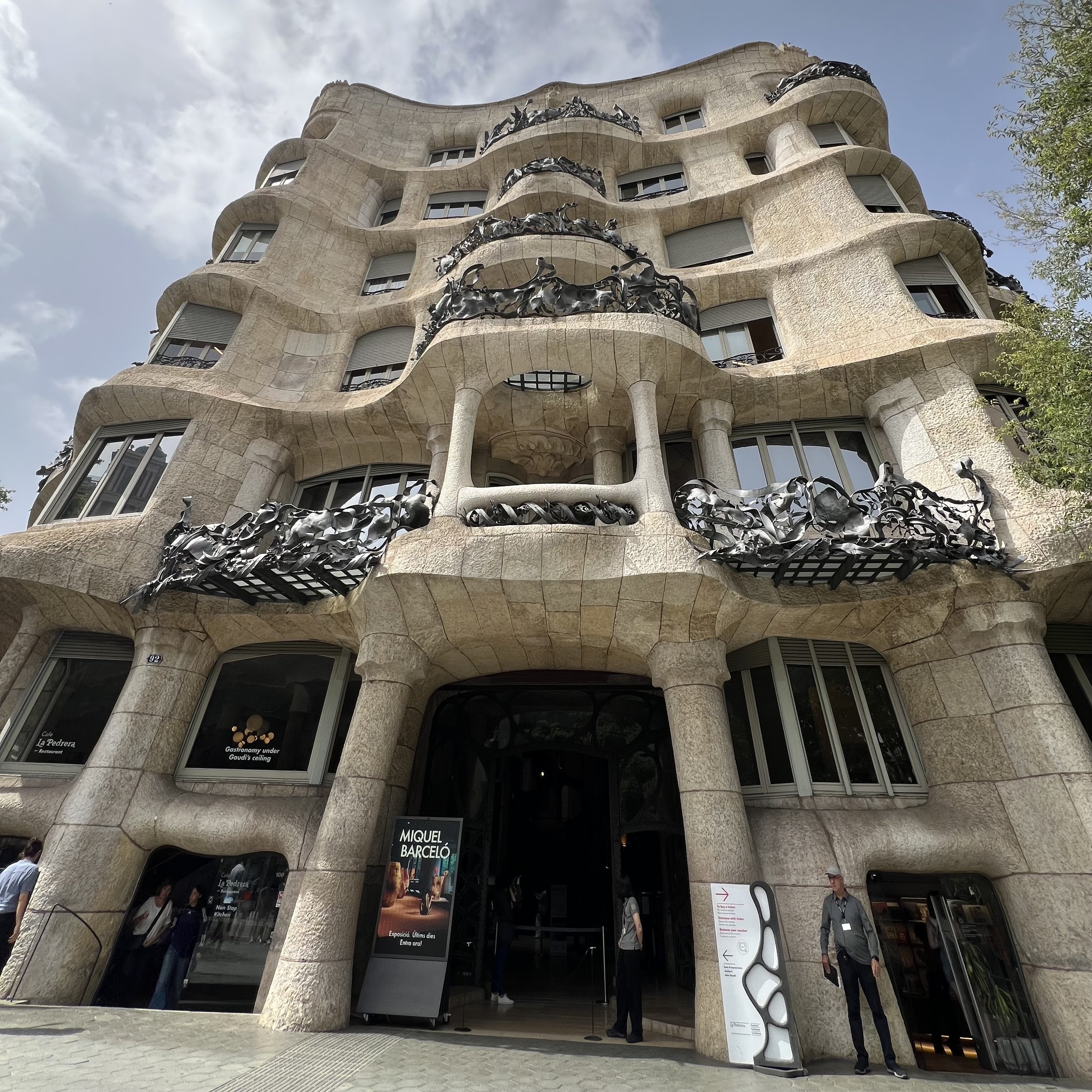
So why did we become expats instead of continuing the reasonable facsimile that our travels offered to “live like a local?” Perhaps we needed a long-term option that fulfilled two sides of the same coin: a daily life offering the excitement of exploring a different culture while simultaneously providing an anchor, a sense of “home,” of belonging. Maybe the impending transition from careers to retirement was simply the catalyst we needed to make a grand leap into the future: to ask ourselves, “if not now, when?” There is no definitive answer. Grappling with this and other Socratic questions is what spawned the “Pourquoi Pau?” blog to begin with. I do, however think that my life-long need to explore (click here for more on that personal history) and JB’s pattern of setting goals and meeting challenges was a combination that drew us onto this path. The decision and ability to become expats was in no small part nurtured by decades of travel, always guided by a desire to belong in some small way to each place we explored.
The latest lure…
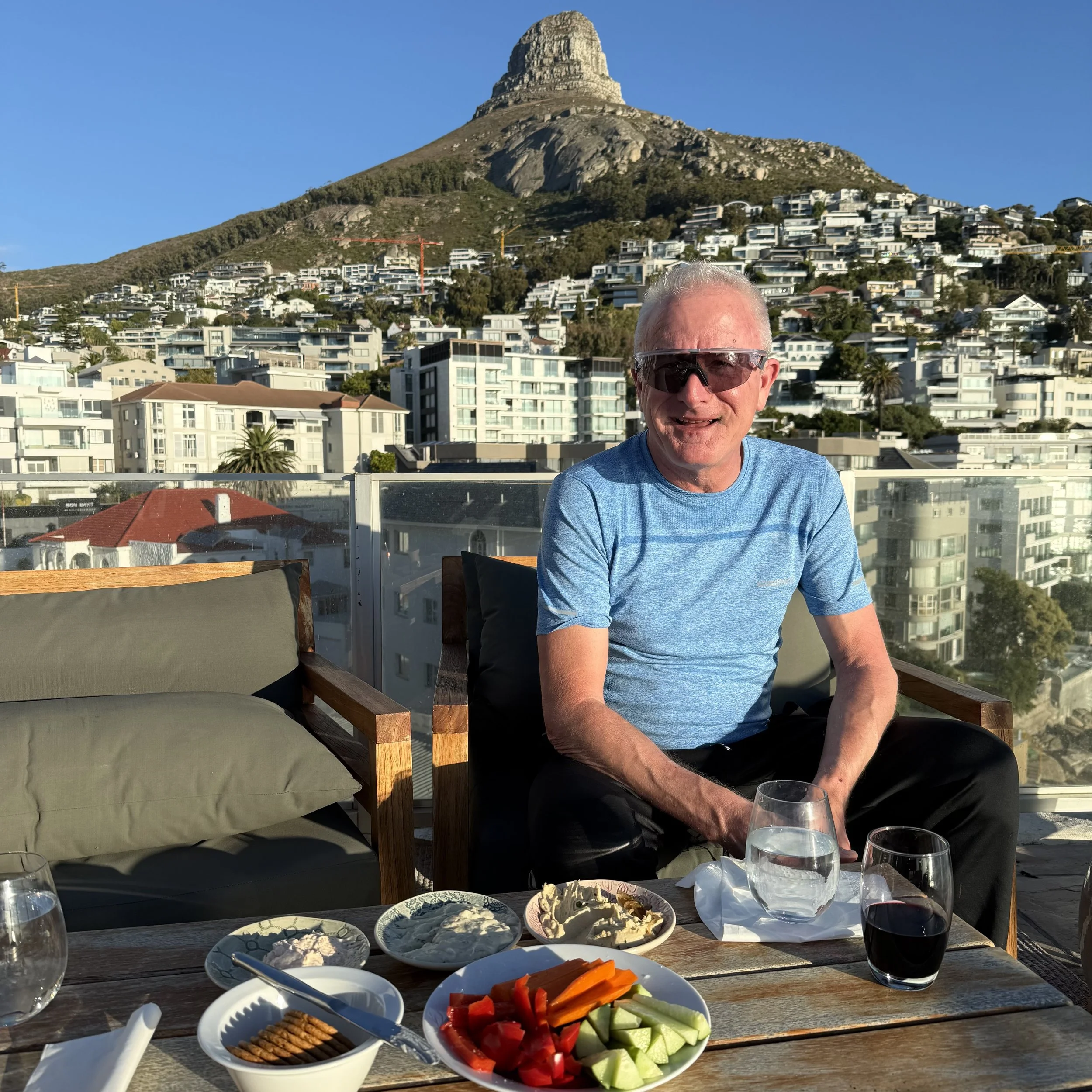
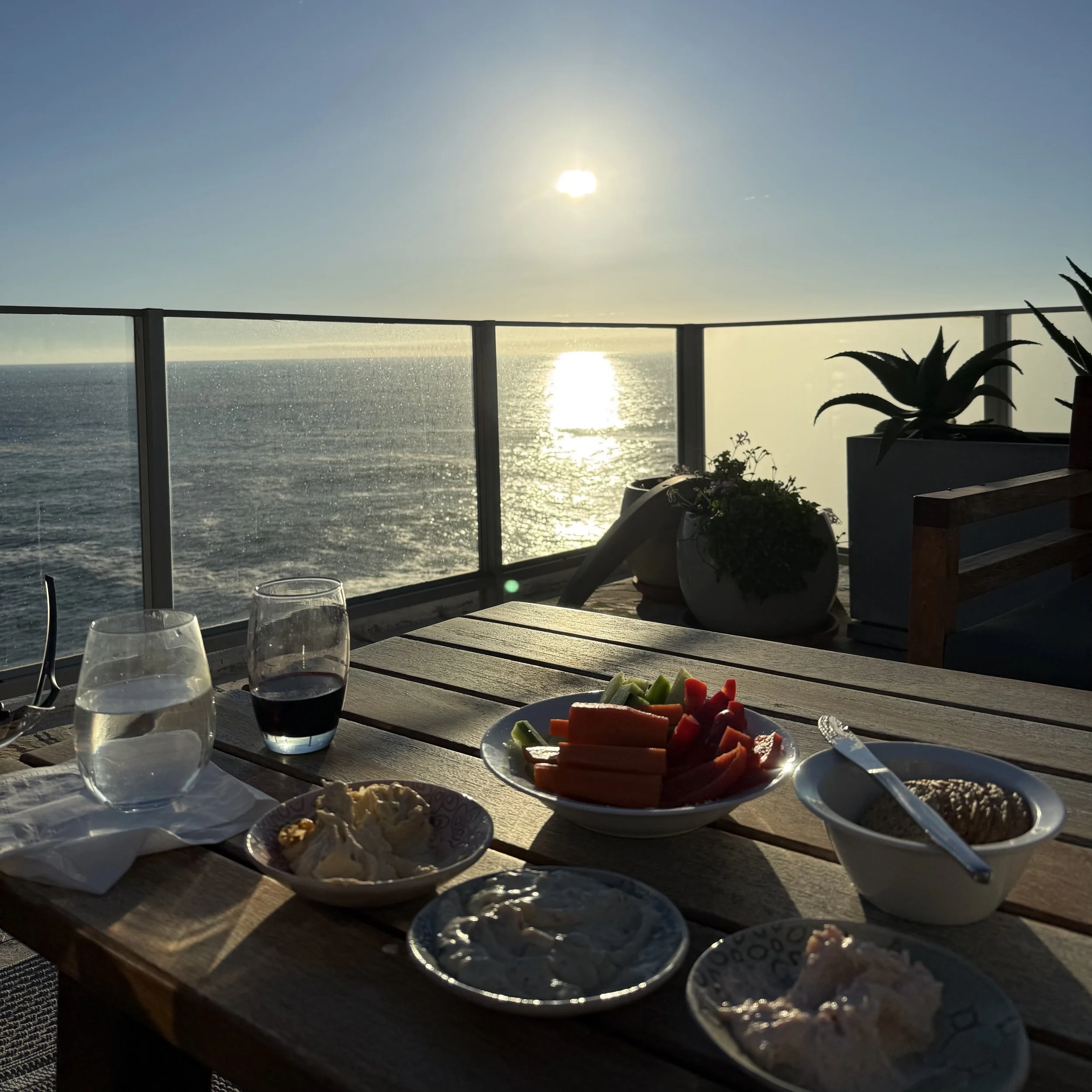
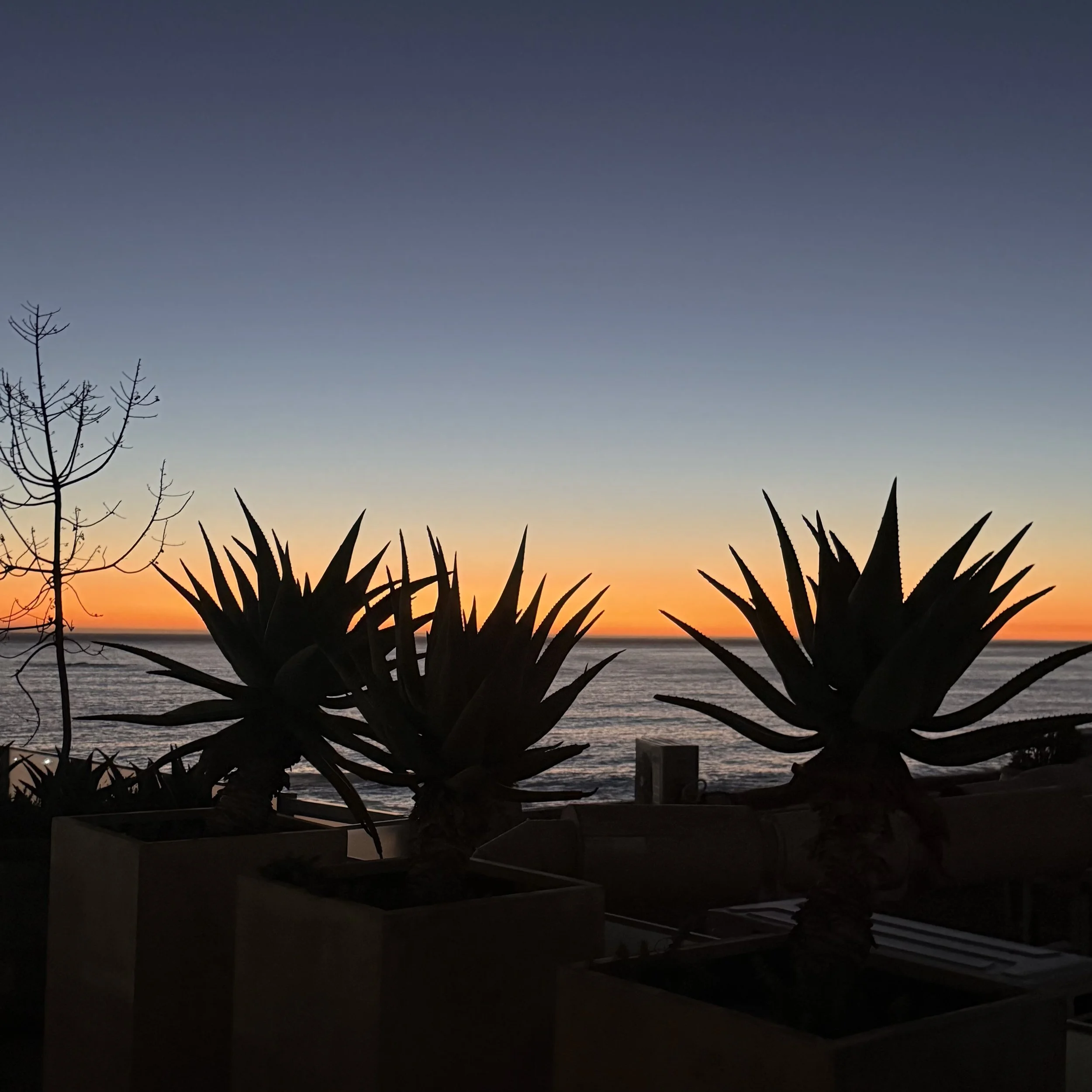
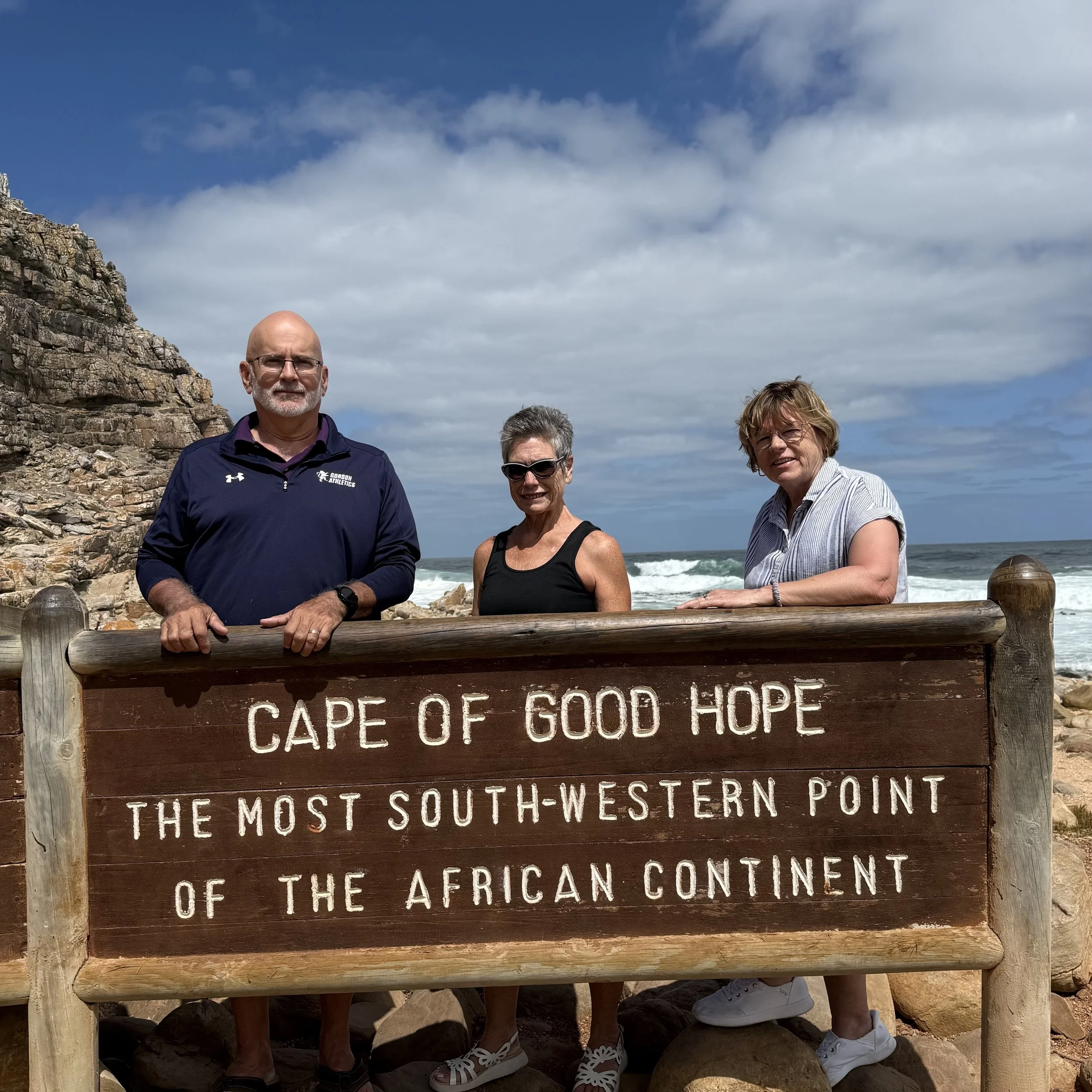
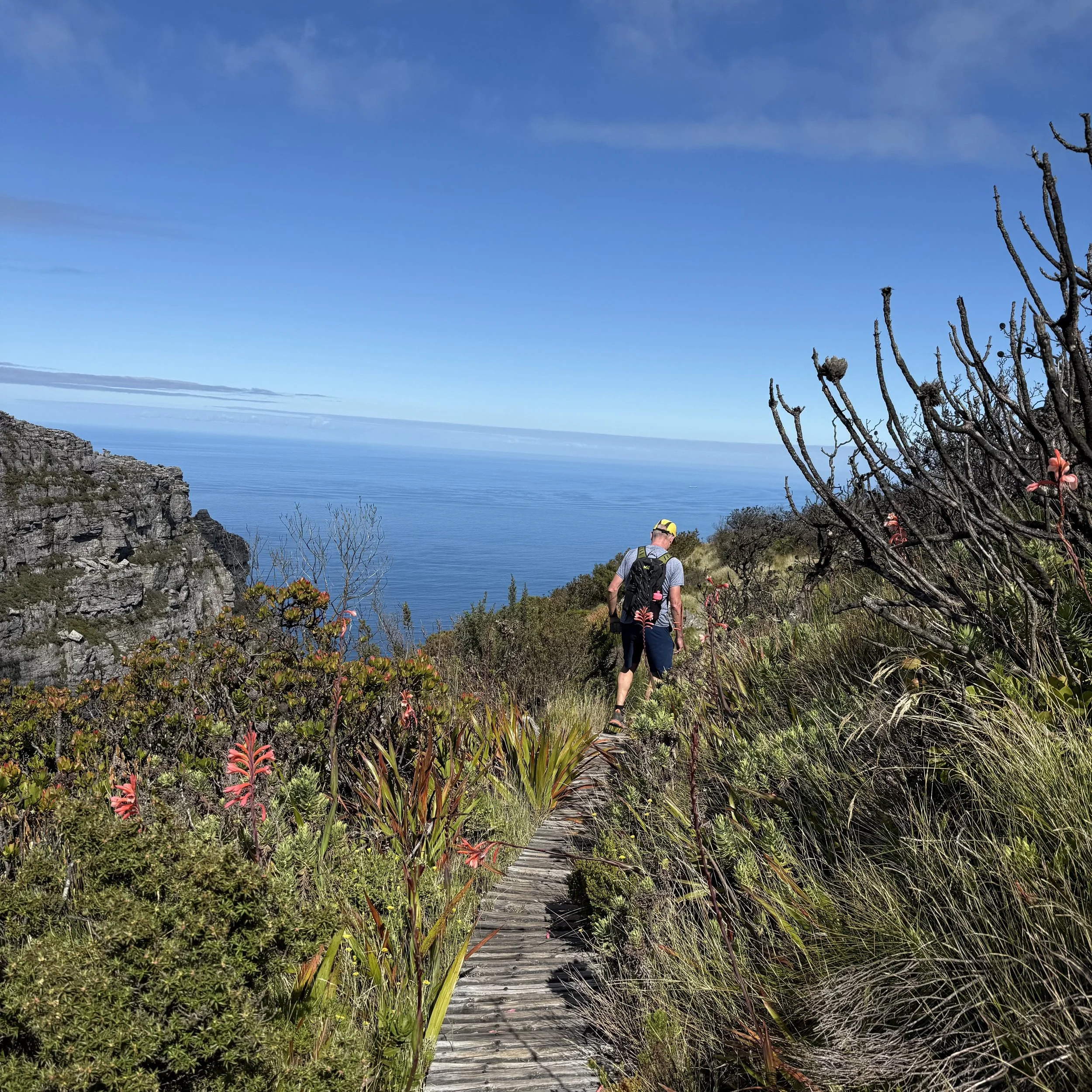
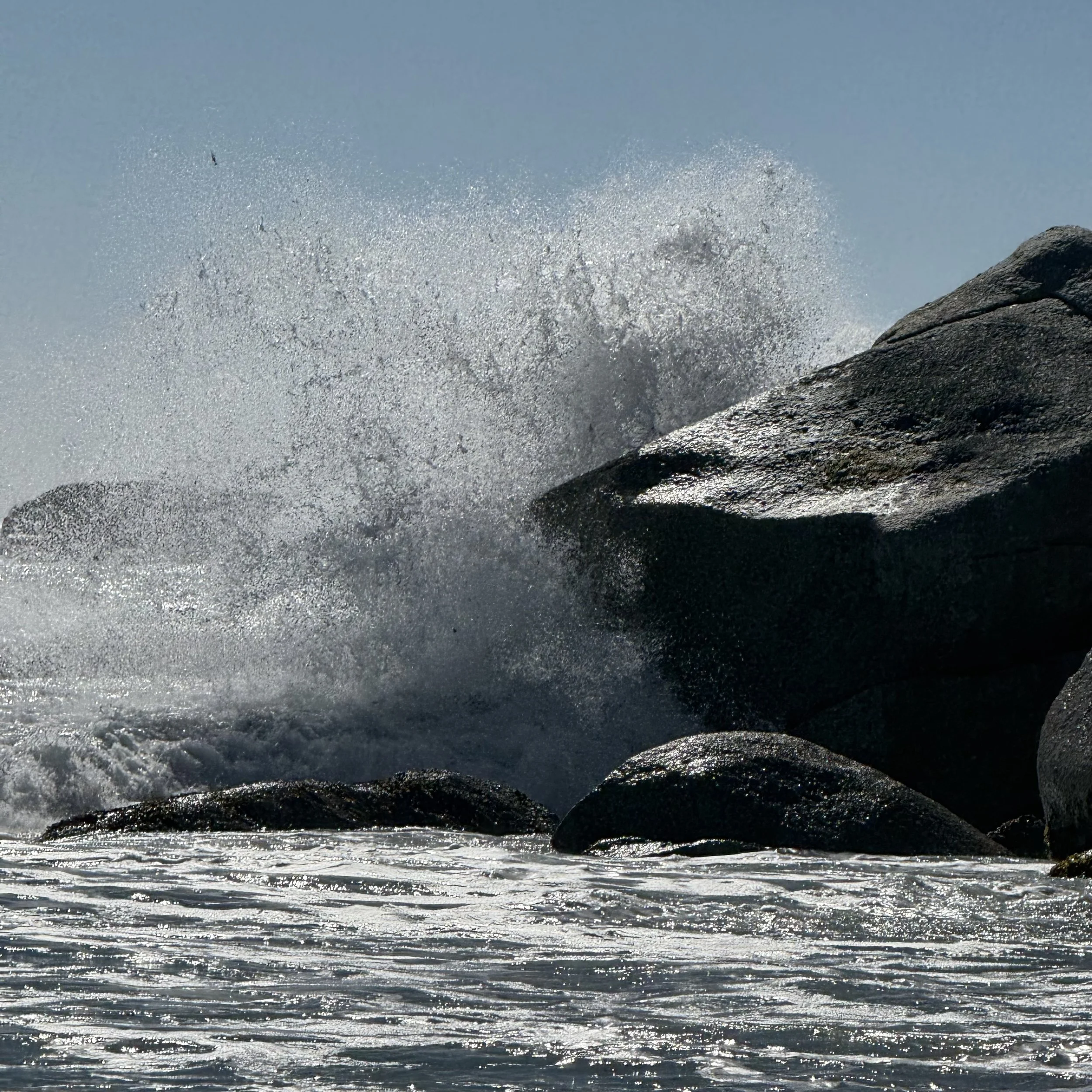
As I write this month’s blog, I’m sitting in an apartment overlooking Cape Town’s Bantry Bay and listening to the waves crashing into its massive granite boulders. Initially considering South Africa to be a “once-in-a-lifetime” destination, this is the fifth year we have returned to escape a few weeks of Pau’s rainy and raw winter season. In addition to its sunny and moderate climate, Cape Town offers a rich cultural mix, spectacular hiking, fascinating geology, abundant beaches, mature vineyards, ease of making English speaking friends, and affordability. It’s no surprise that this combination of attributes has us perusing real estate brochures now and then.
While we are far from ready to abandon French life, our longstanding travel mantra to “live like locals” continues to profoundly impact us. We’re able to tap into the idiosyncrasies and pleasures of a foreign destination by joining its unique rhythm. We bring back morsels of local customs, culture, and perspective that enrich our home life. We benefit from the kindness and generosity of strangers everywhere. Most importantly, we are reminded of how blessed we are to explore the world while living in a place of comfort, safety, and well-being. My hope is that until the sun slowly sets someday on the horizon of our travel adventures, we will continue to “live like locals” and toast newly discovered gems with the spirited refrain of “I could live here.”

CAPE TOWN CONNECTIONS
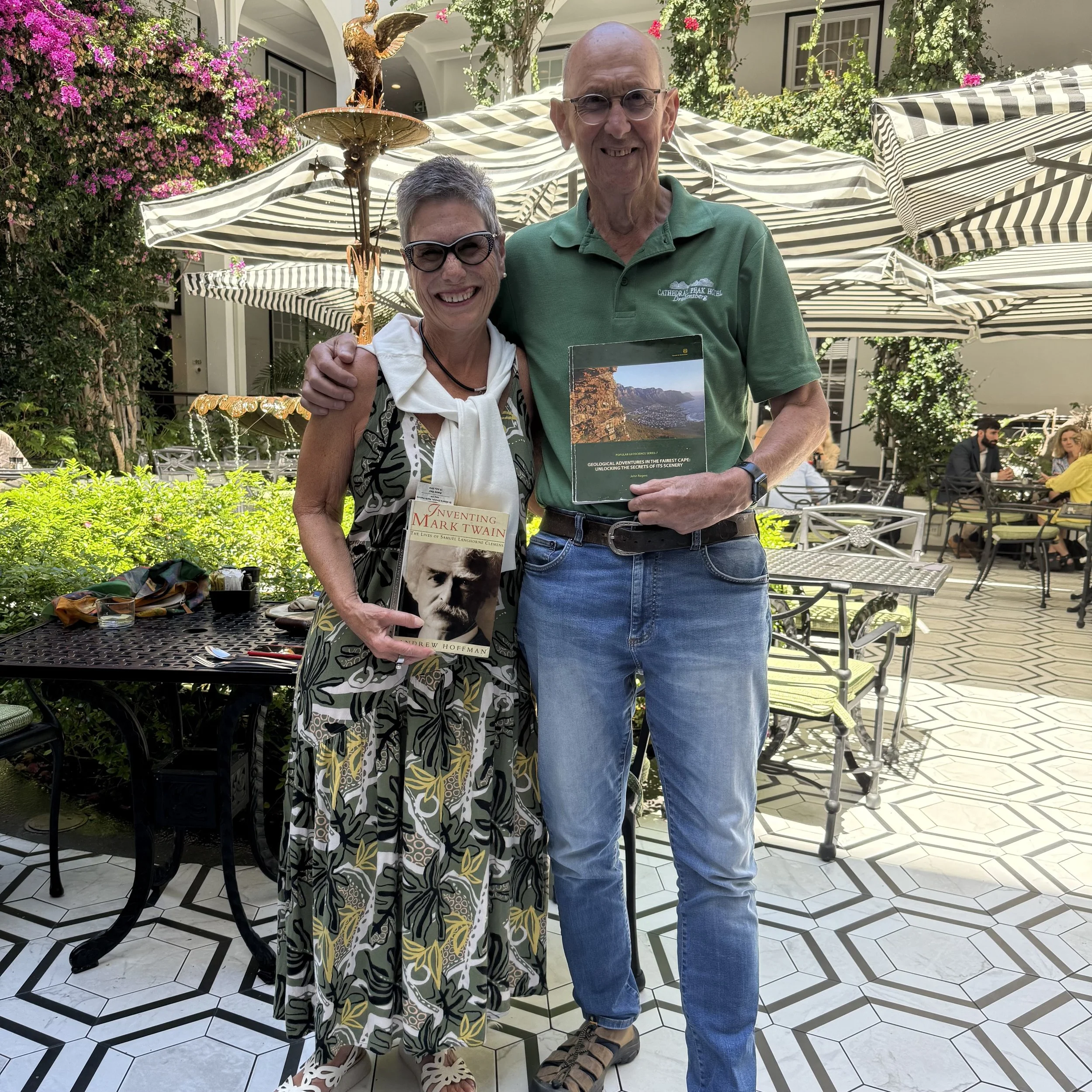
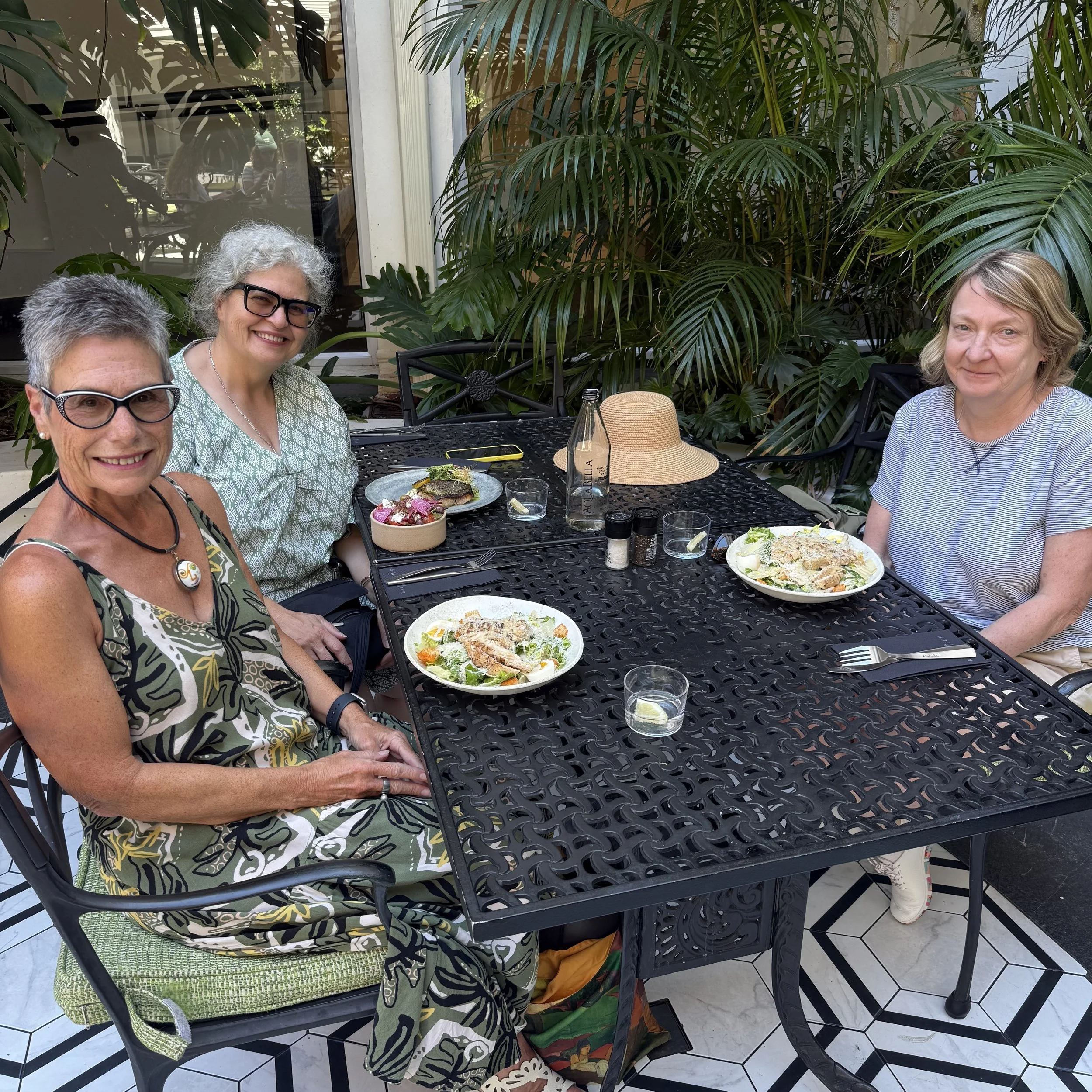
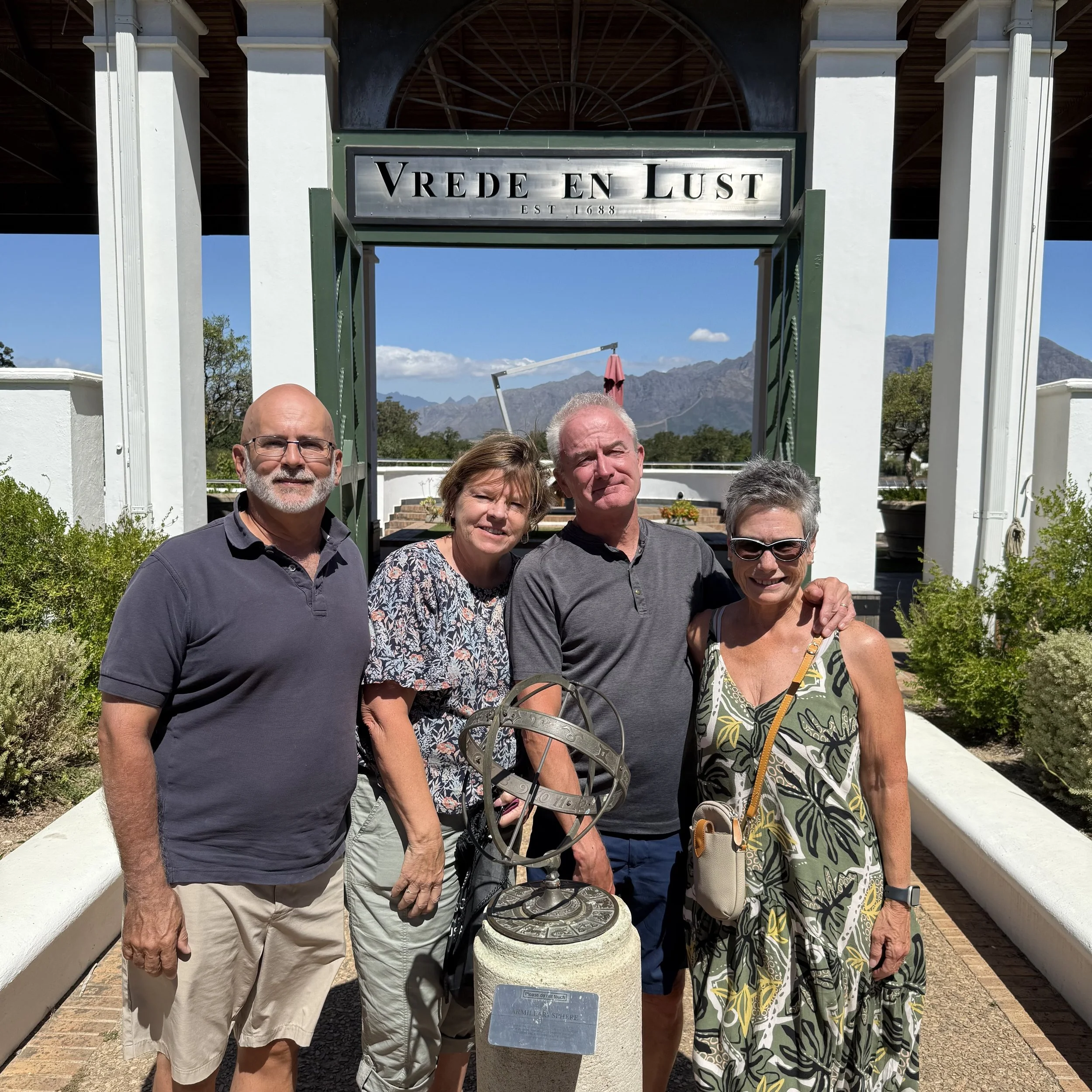
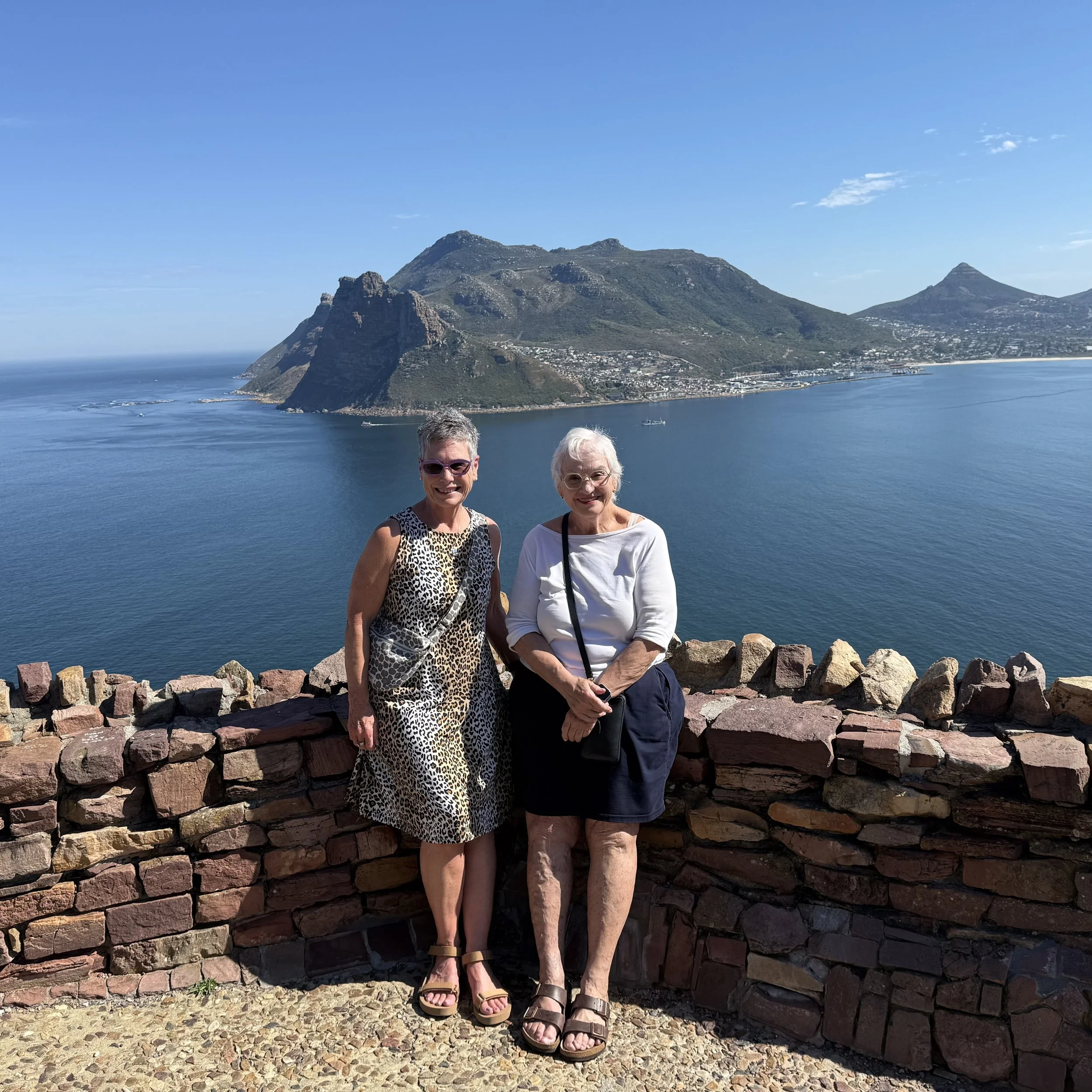
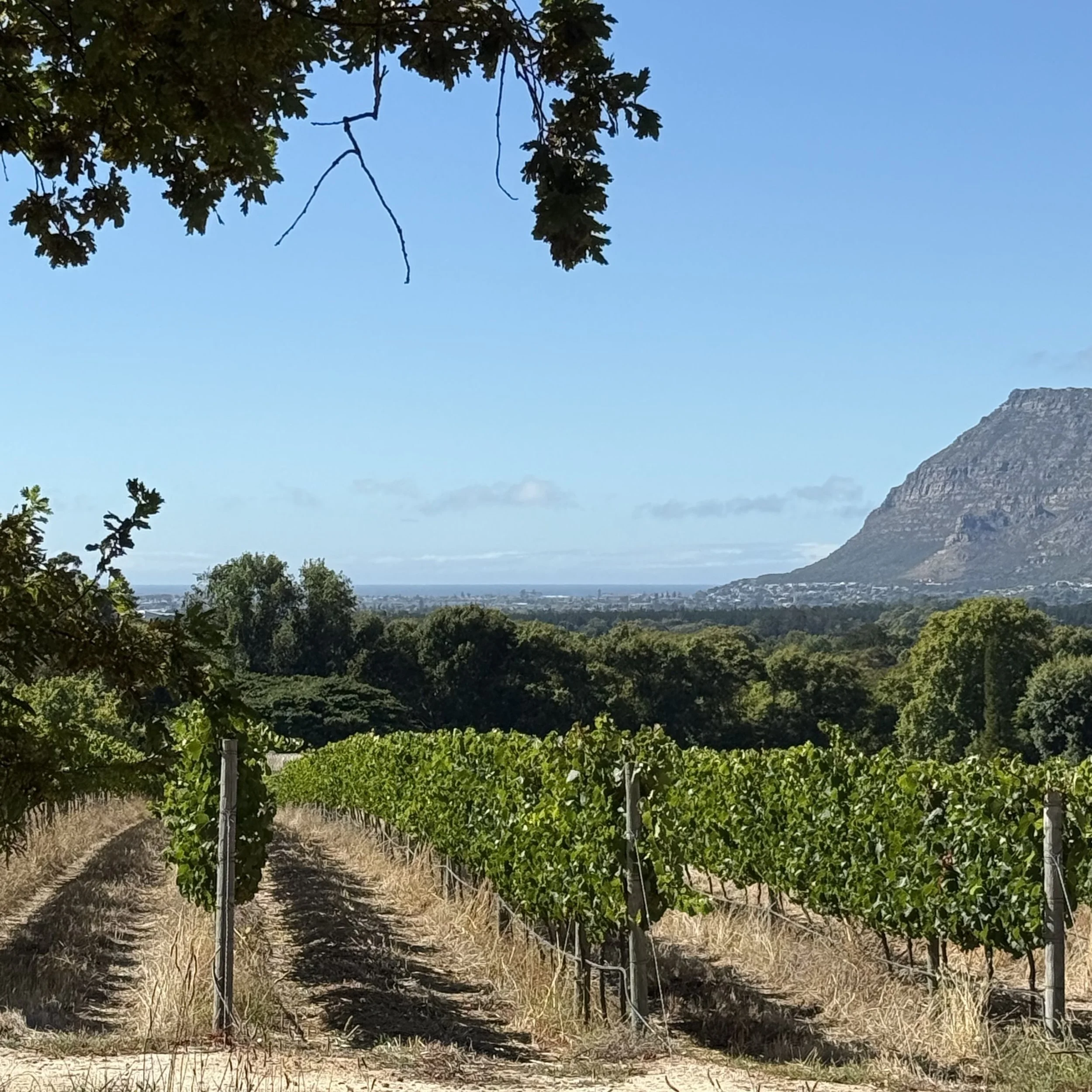
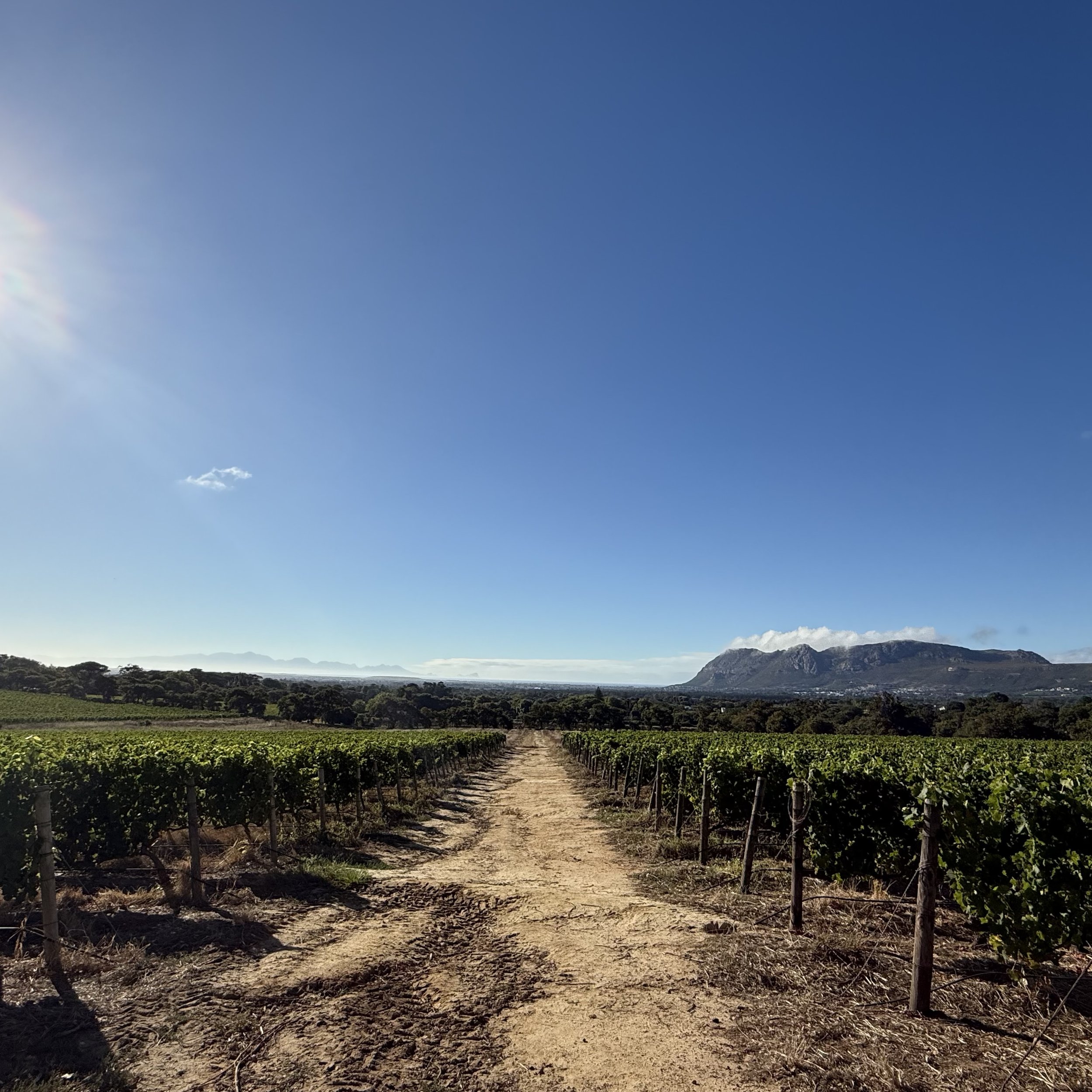
Slides 1,2,3: Locals friends John Rogers (geologist and author), Anne- Juilette (French expat) beside me with her cousin opposite, Bryce and Jason (Sea Point “neighbors”). Slides 4,5,6: An evening with JB on our rental terrace. Slides 7&8: Boston friends Sharon and Steve. Slide 9: Boston friend Cathy. Slides 10 & 11: walking tour in Constantia vineyards. Slide 12: Hike with JB. Slide 13: Local waves.
OUR FAVORITE CAPE TOWN TOURS WITH EXCEPTIONAL GUIDES:
Ultimate Cape Tours https://ultimatecapetours.co.za (for private, custom tailored tours at group tour price!)
Natural Wanders https://www.naturalwanders.co.za
Free Walking Tours|CAPE TOWN https://freewalkingtourscapetown.co.za